We appreciate you taking the time to help America’s Health Rankings better understand our audiences. Your feedback will allow us to optimize our website and provide you with additional resources in the future. Thank you.
Since 1990, America’s Health Rankings has provided data and insights into the health and well-being of the nation, each of the 50 states and the District of Columbia.
America’s Health Rankings has equipped leaders with the insights they need to improve health in their communities. For more than three decades, the platform has focused on measuring population health in a way that reflects the evolving understanding of factors that contribute to health and well-being.
Explore how the platform has adapted to promote data-driven change
States play a unique role in improving the health of the people who live there by shaping and delivering public health plans and programs. That’s why America’s Health Rankings gathers state-level data on roughly 280 health measures from more than 80 public data sources.
The platform aims to offer decision-makers and advocates a way to understand their state’s health — and to compare it with the health of other states and the nation overall. Leaders can look to the platform each year to assess their progress toward goals and drive conversations about emerging needs.
undefined
NaN - NaN
NaN - NaN
NaN - NaN
NaN - NaN
NaN - NaN
No Data
Data from undefined
NaN - NaN
NaN - NaN
NaN - NaN
NaN - NaN
NaN - NaN
No Data

America’s Health Rankings has always measured health based on the World Health Organization’s definition:
"Health is a state of complete physical, mental and social well-being and not merely the absence of disease or infirmity."
The first edition of the annual rankings calculated each state’s score by equally weighting their performance on health outcomes and risk factors.

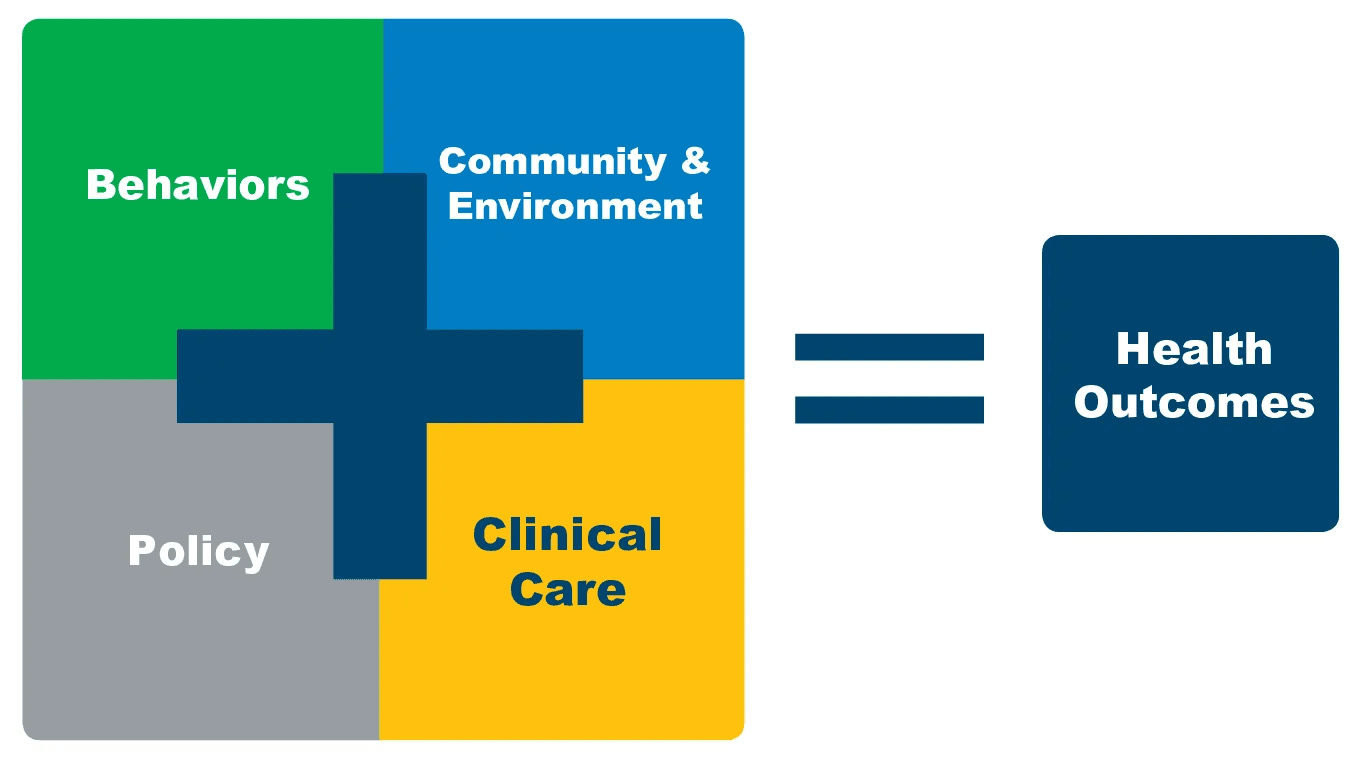
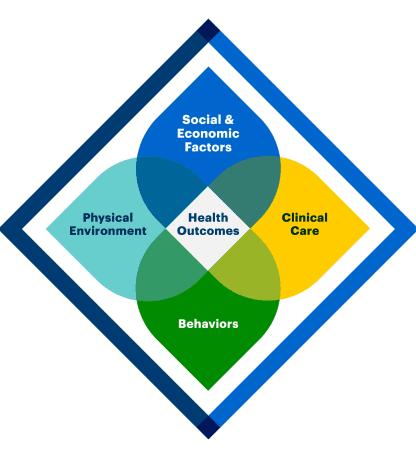
Since then, the America’s Health Rankings model has adapted to more fully reflect the role that upstream factors — known as social determinants or social drivers of health, which include the socioeconomic and physical conditions where individuals live — play in health and well-being.
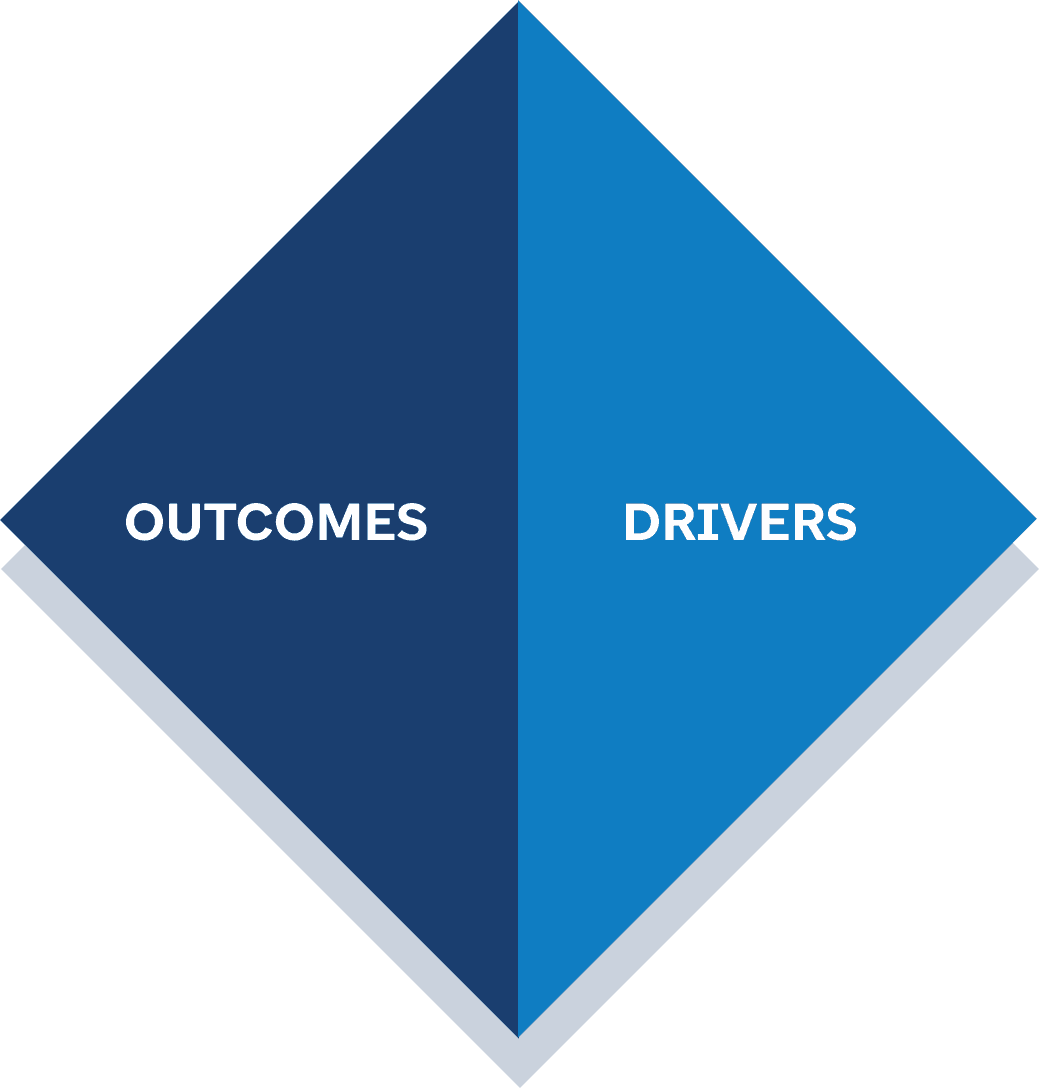
Today, each state’s ranking score is calculated using 25% health outcomes and 75% drivers of health.
To learn more about the model, visit our Methodology page.


America’s Health Rankings includes a wide range of demographic data, helping spotlight the strengths and challenges in communities by displaying how health varies by race/ethnicity, gender, age, socioeconomic status, disability status and more.
Today, the platform presents data and shares relevant findings across public health topics. Explore key health topics here.

The model was developed under the guidance of the America’s Health Rankings advisory council and committees, with insights from other rankings and health models, namely Healthy People 2030.
Input from the advisory committees, which include public health professionals, state health officers, researchers, academics and clinicians, keeps the model responsive to current and emerging public health topics to ensure that America’s Health Rankings is as useful and insightful as possible.
As a Healthy People 2030 Champion, America’s Health Rankings aims to serve as a reliable source of data to help states measure their progress toward national health goals and other benchmarks. The United Health Foundation is proud to provide data-driven insights to empower public health leaders seeking to identify what works to build health and areas for growth.
35 years of data are available now on AmericasHealthRankings.org, ranging from long-term trends to short-term analyses of measures across five categories of health. See how your state ranks.
Want to stay informed? Sign up here to receive new insights as they are released.
Rank Based On: Sum of weighted z-scores of all Annual Report measures
1 - 10
11 - 20
21 - 30
31 - 40
41 - 50
N/A
Data from America's Health Rankings composite measure, 2024
1 - 10
11 - 20
21 - 30
31 - 40
41 - 50
N/A