Analysis of the estimated 25 million US adults, or 12.0%, with MUBs, found that states with the highest and lowest proportions of adults with MUBs are clustered in certain regions of the United States (Figure 2). States with the highest proportion of adults with MUBs are clustered in the East North Central (i.e., Indiana, Michigan, Ohio) and East South Central (i.e., Alabama, Kentucky, Mississippi, Tennessee) Census Divisions. In addition to Minnesota, states with the lowest proportion of adults with MUBs are clustered in the Pacific (i.e., California, Oregon, Washington), Mountain (i.e., Idaho, Utah, Colorado), and New England (i.e., Connecticut, Massachusetts, Vermont) Census Divisions. Adults with a higher prevalence of MUBs compared with the national rate (12%) include:
- those with less than a high school diploma (21.5%)
- high school graduates (16.1%)
- those with some college (12.5%)
- non-Hispanic blacks (16.5%)
- Hispanics (13.0%)
- males (13.0%)
- those with an income below $25,000 (19.6%)
- those with an income of $25,000 to $49,999 (13.5%)
- those aged 18-44 (12.9%)
- those aged 45-64 (14.0%) (Figures 2-6)
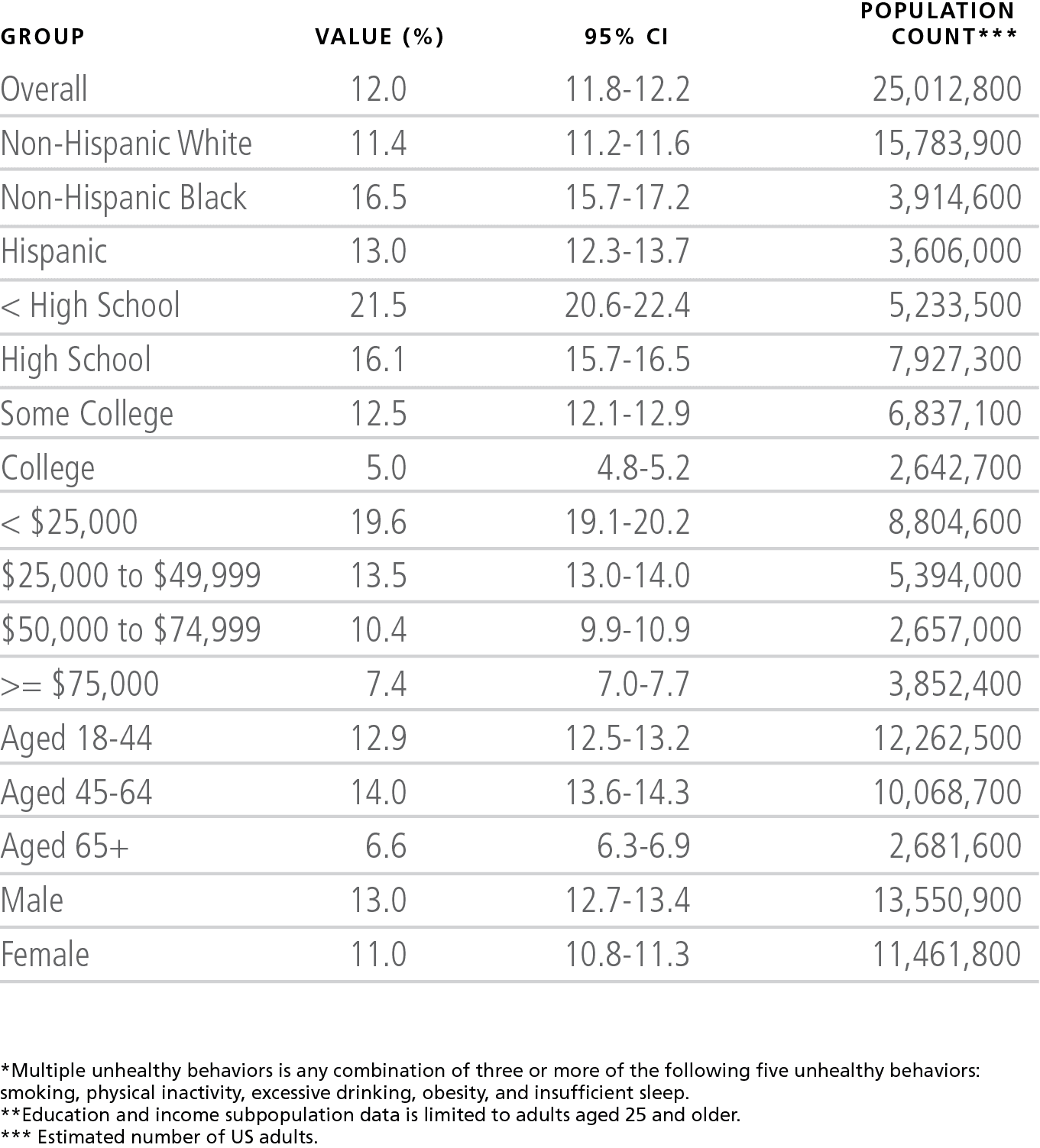
On a national level, the prevalence of MUBs differed greatly by education level and income level (Table 2).
FIGURE 2 Proportion of Adults with Mutliple Unhealthy Behaviors*, United States BRFSS 2014)

FIGURE 3 Percentage of Adults with Mutliple Unhealthy Behaviors*, By Race/Ethnicity, United States BRFSS 2014)
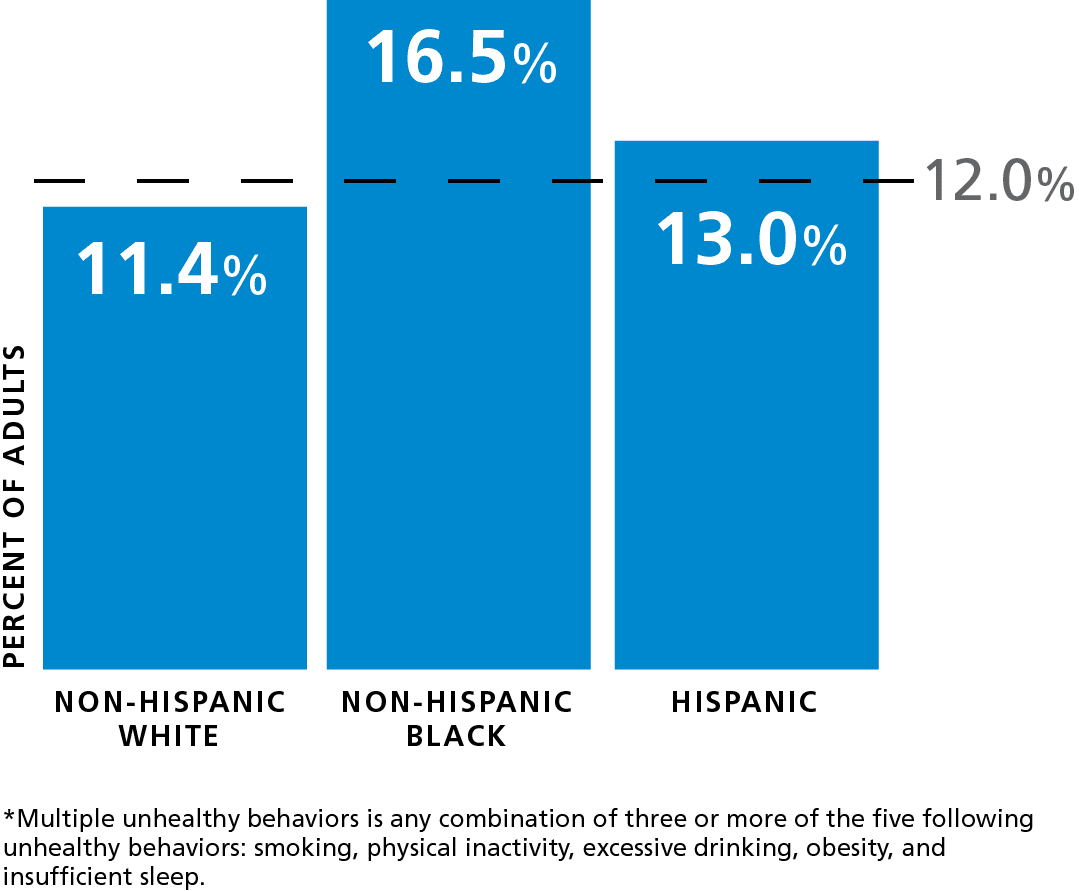
FIGURE 4 Percentage of Adults Aged 25 and Older with Multiple Unhealthy Behaviors* by Education Level, United States (BRFSS 2014)
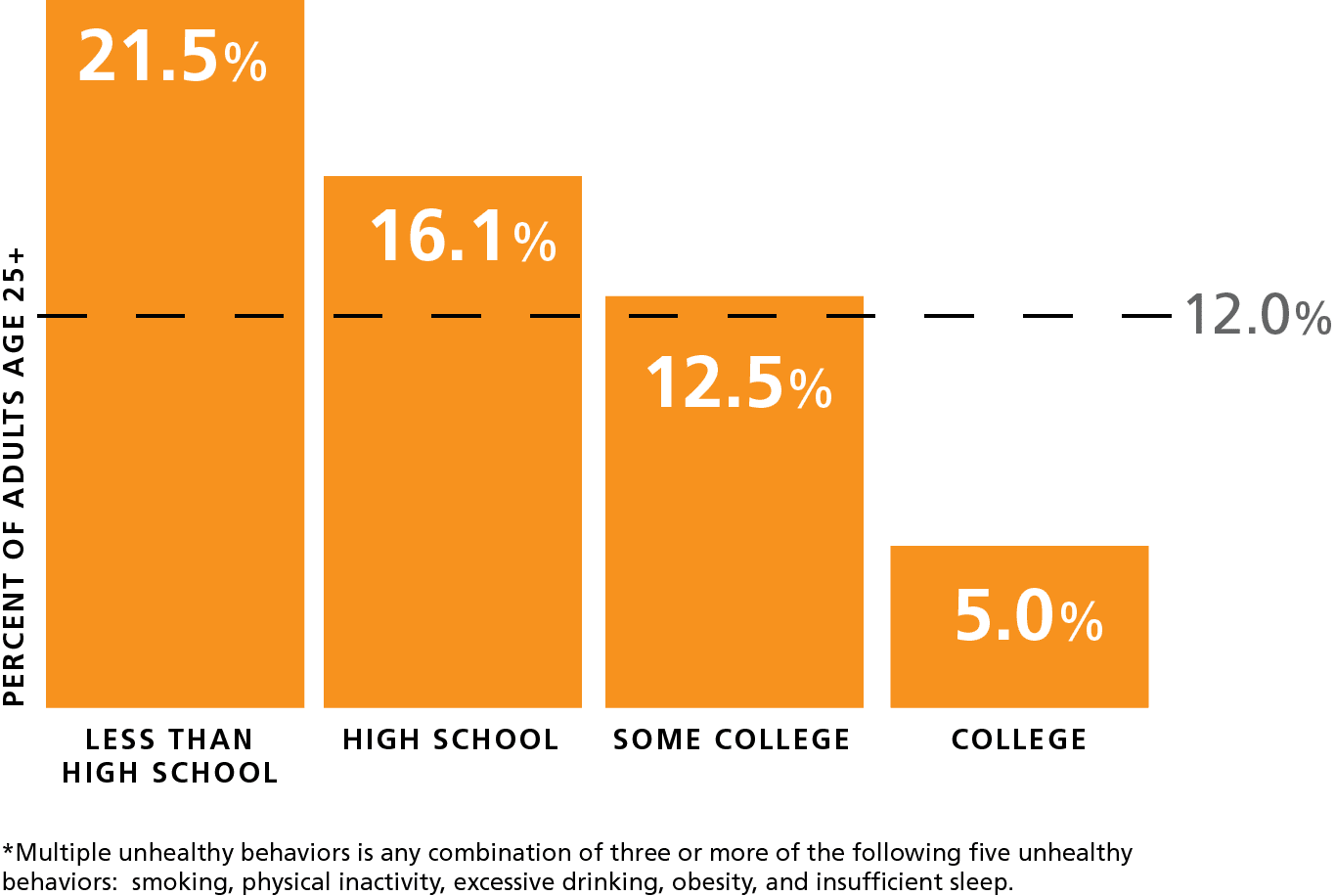
FIGURE 5 Percentage of Adults Aged 25 and Older with Multiple Unhealthy Behaviors* by Household Income, United States (BRFSS 2014)
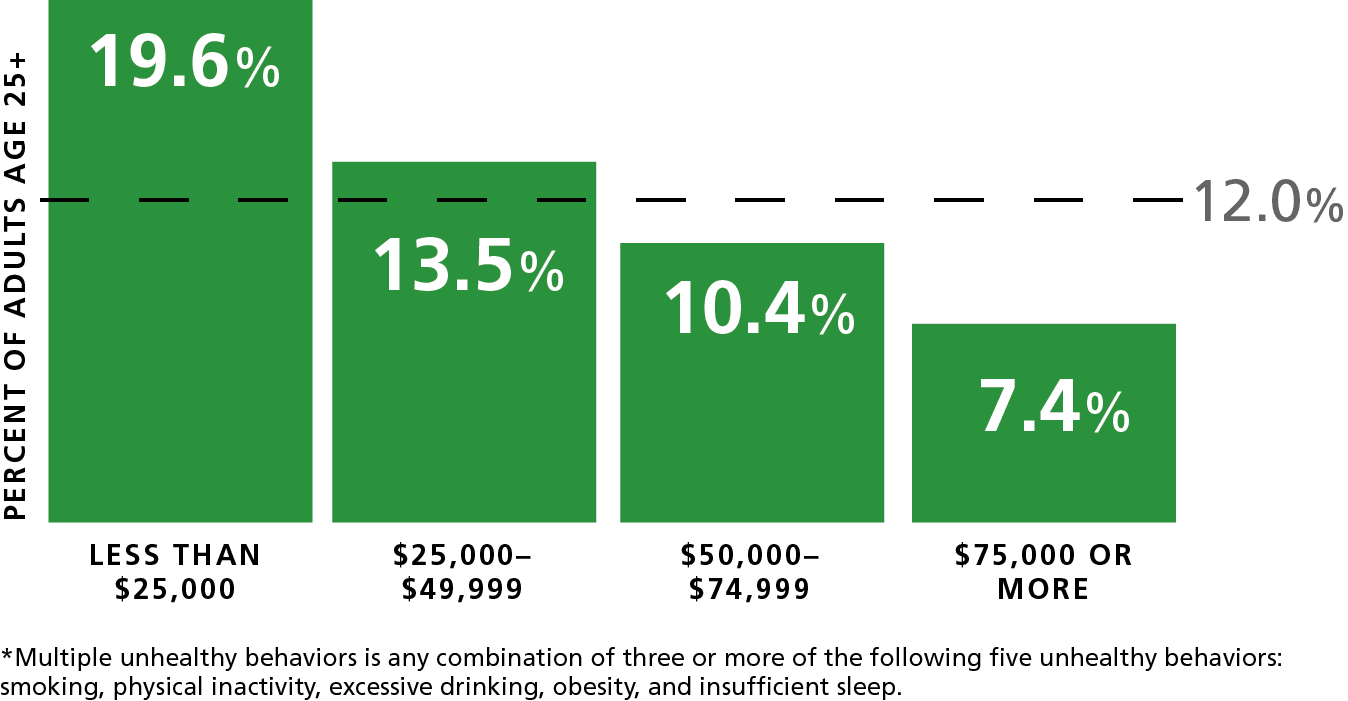
FIGURE 6 Percentage of Adults with Multiple Unhealthy Behaviors* by Age and Gender, United States (BRFSS 2014)
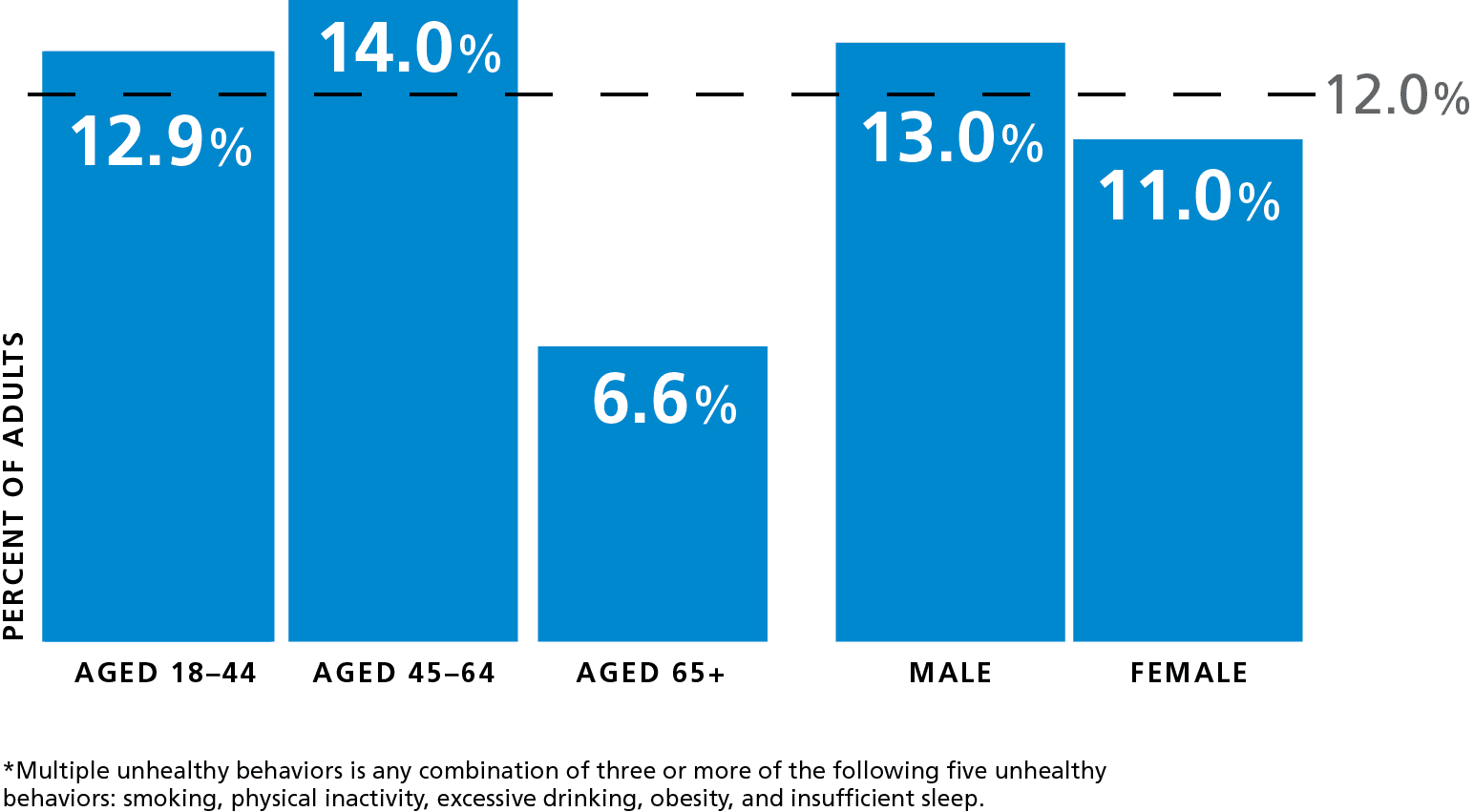
TABLE 2 Value and Estimated Population Count of US Adults with Multiple Unhealthy Behaviors* by Subpopulation**