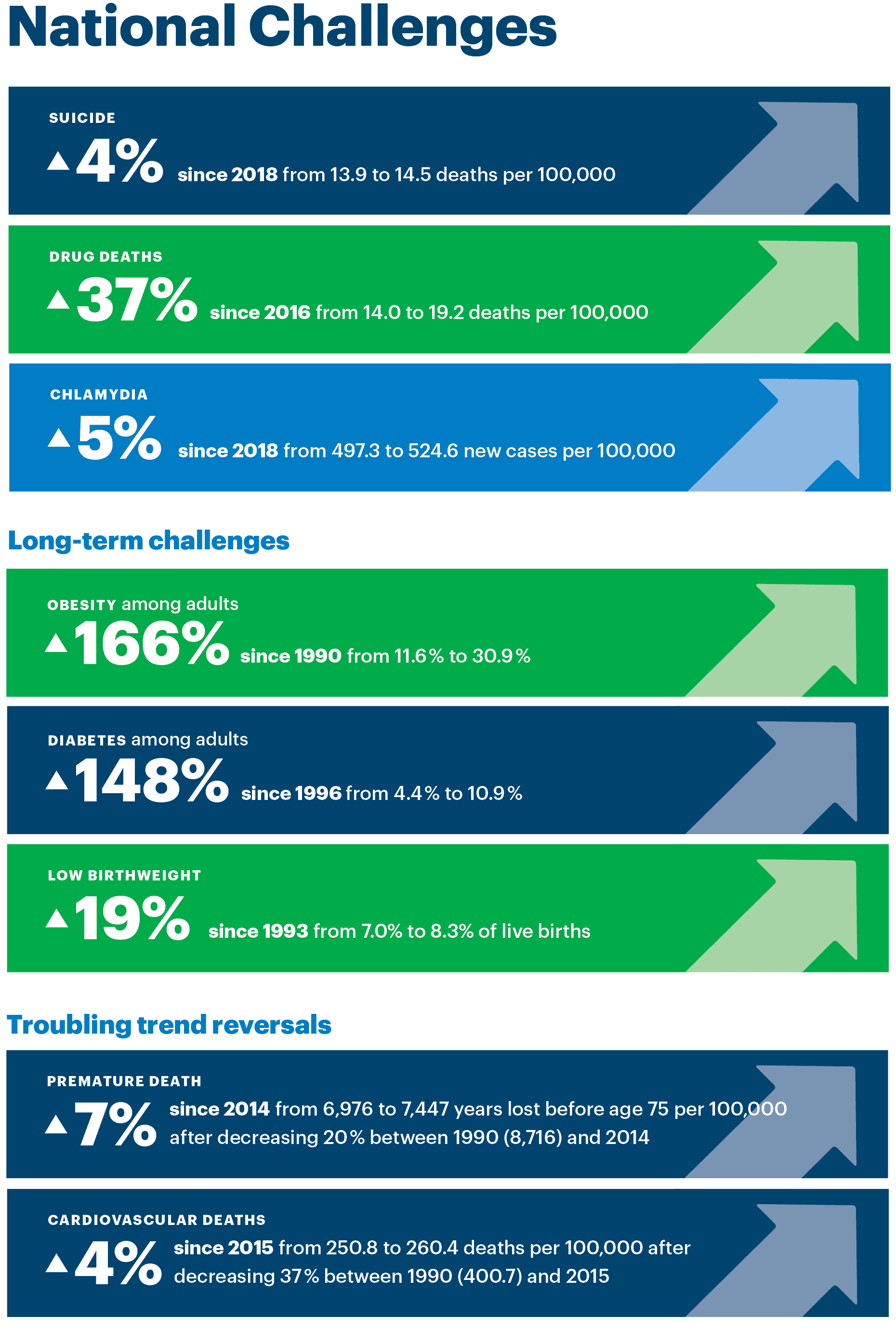
Suicide, drug deaths and chlamydia were featured as challenges in the 2018 Annual Report and remain topics of national concern.
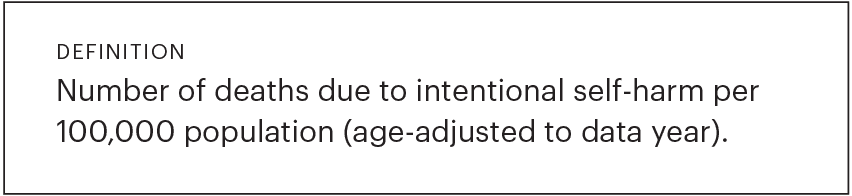
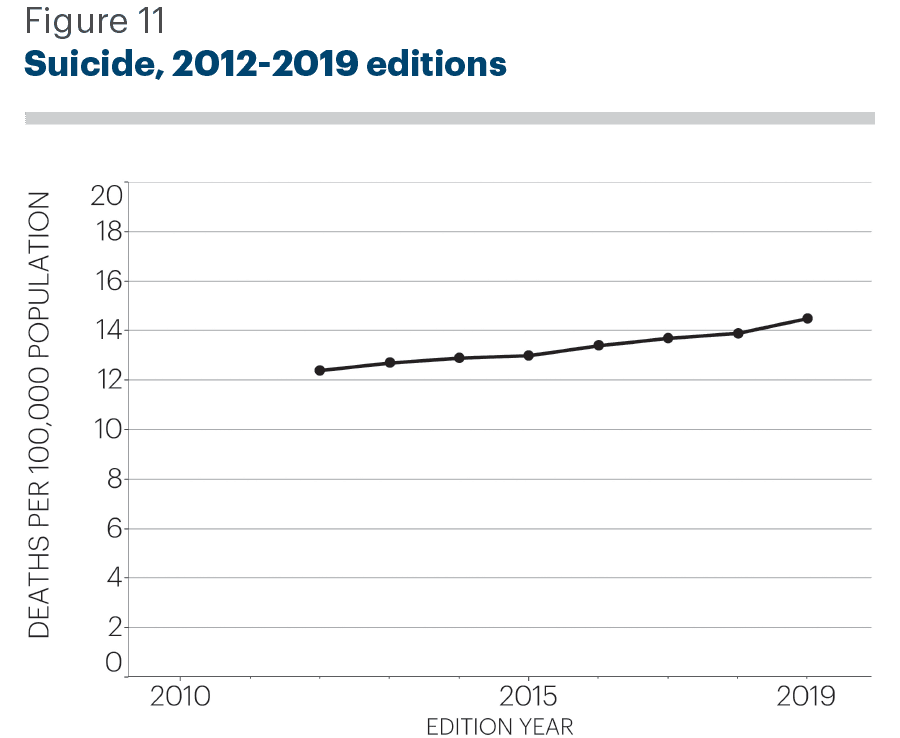
Since 2012, suicide rates have significantly increased nationally from 12.4 to 14.5 deaths per 100,000 (Figure 11) as well as in 30 states. In the past year, rates continued to significantly increase nationally (up 4% from 13.9 to 14.5 deaths per 100,000) and in Washington (up 14% from 15.5 to 17.6 deaths per 100,000). The current rate is well above the Healthy People target of reducing the suicide rate to 10.2 deaths per 100,000 by 2020.
According to CDC, suicide is the
tenth leading cause of death in the nation. Mental health disorders and/or substance use disorders are the most
significant risk factors for suicidal behaviors. According to the American Foundation for Suicide Prevention, other risk factors include previous suicide attempts, family history of suicide and
environmental factors such as stressful life events and access to lethal means like firearms or drugs.
Firearms were involved in half of all suicides in 2017, as reported the Suicide Prevention Resource Center.
Disparities and geographic variation
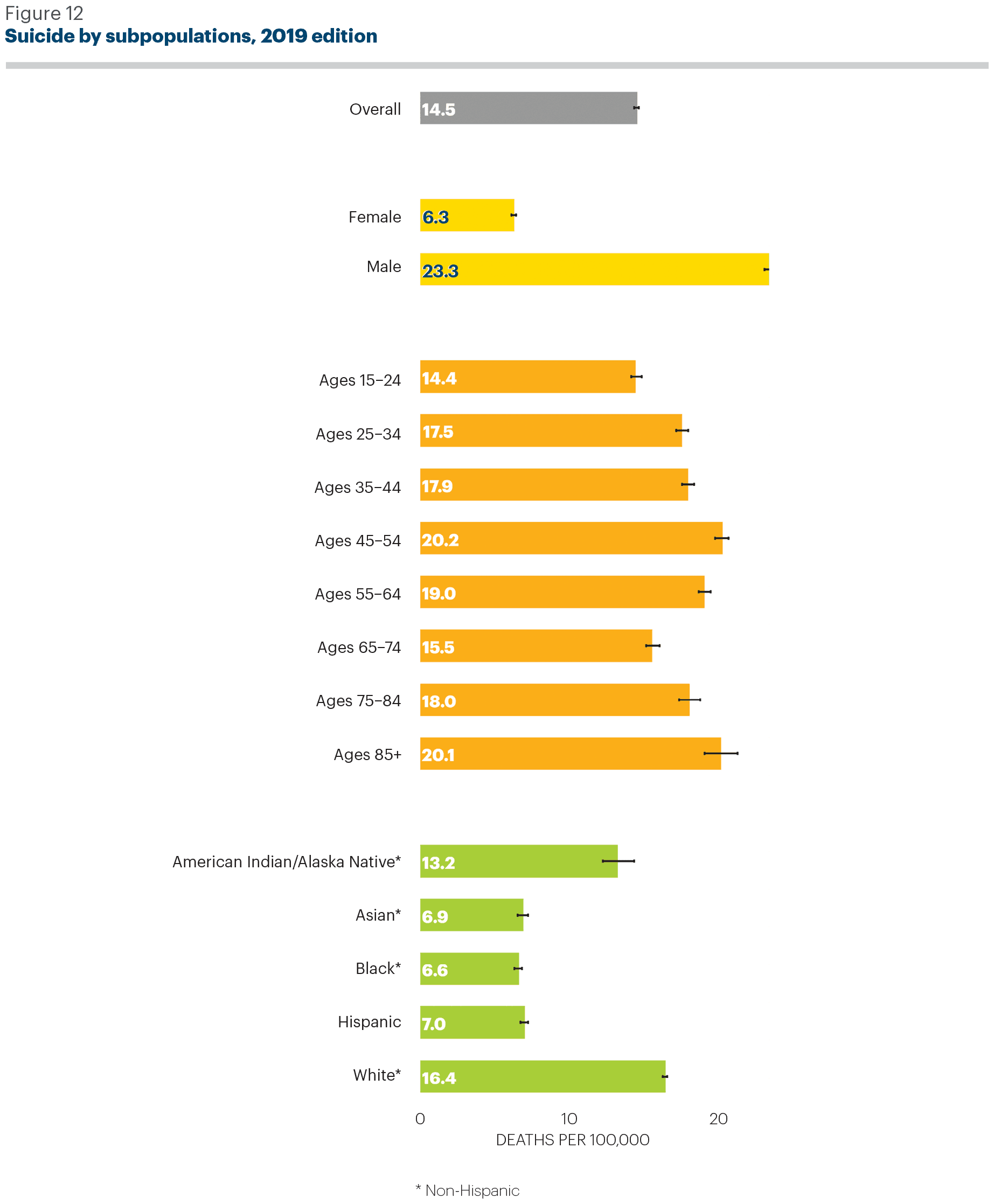
Disparities in suicide are present across states and by gender, age and race/ethnicity groups (Figure 12). Suicide has been lowest among women and people ages 15-24 and highest among men, whites and American Indian/Alaska Native individuals. The suicide rate is 3.7 times higher among males (23.3 deaths per 100,000) than females (6.3).
The disparity between the states with the highest and lowest rate has worsened over time. Suicide per 100,000 is 3.5 times higher in Montana (29.7 deaths per 100,000) than New York (8.4); this disparity is larger than in 2012 when suicide was 3.0 times higher in Alaska (23.3 deaths per 100,000) than New York (7.8).
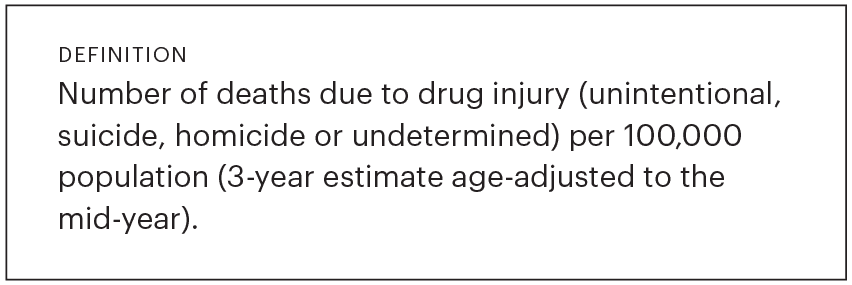
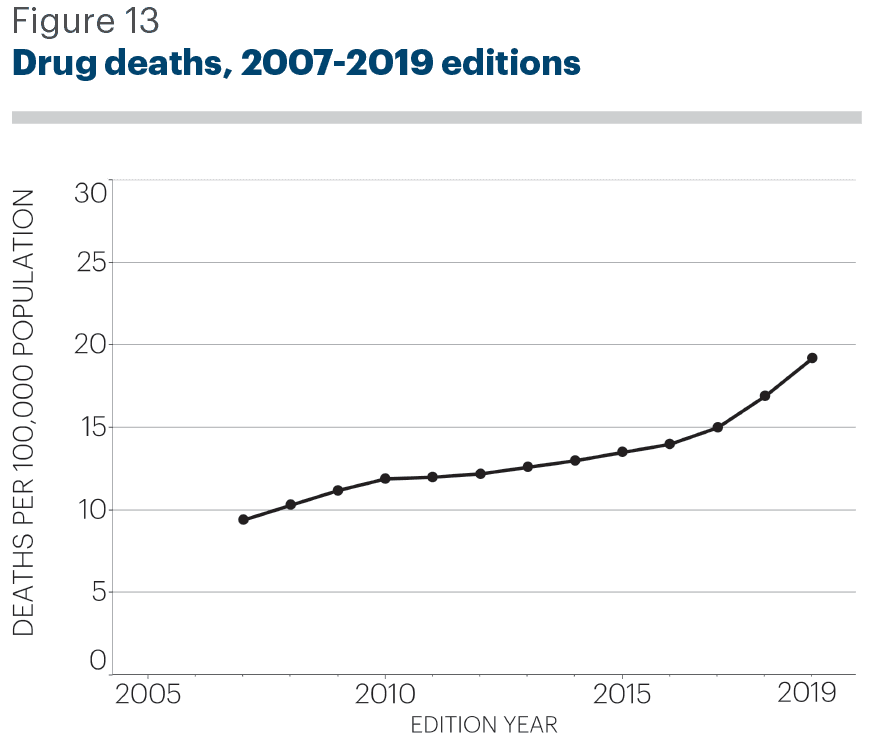
Since 2007, drug deaths increased 104% from 9.4 to 19.2 deaths per 100,000, well above the Healthy People target to reduce drug-induced deaths to 11.3 deaths per 100,000 by 2020. Since 2016, the rate has risen 37% from 14.0 deaths per 100,000 (Figure 13). This equates to more than 53,000 additional deaths over the most recent comparable three-year period.
A report published by the Trust for America’s Health finds that drug overdoses in the United States have become the
leading cause of injury death. The rate has
more than tripled between 1999 and 2017, according to the National Institutes of Health. Heavy drug use and overdoses burden individuals, families, their communities, the health care system and the economy. The
effects of substance misuse contribute to significant public health problems including crime, homicide, suicide, teenage pregnancy, sexually transmitted infections, HIV/AIDS, domestic violence, child abuse and motor vehicle accidents, according to Healthy People 2020.
Disparities and geographic variation
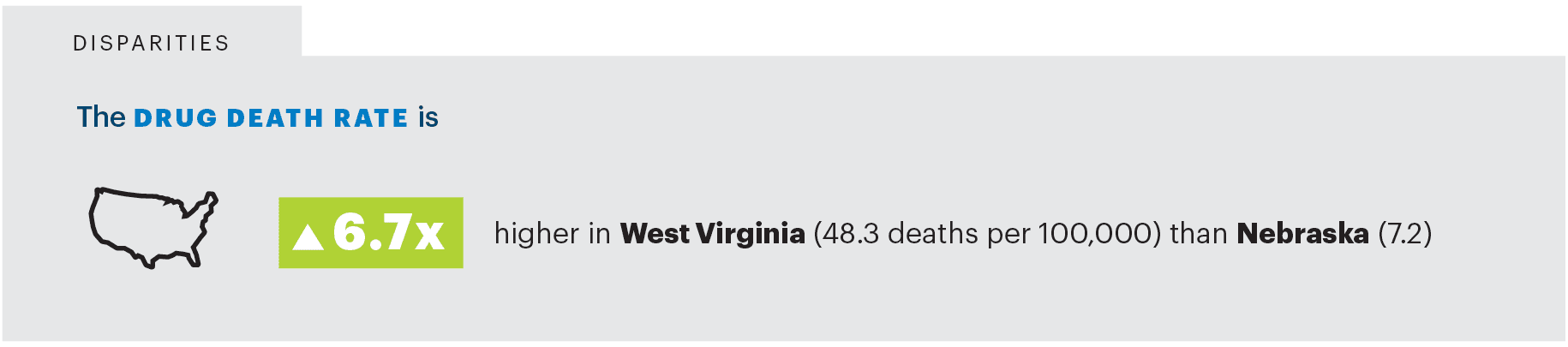
Disparities in drug deaths are present across states and by age, gender and race/ethnicity groups. The drug death rate is 6.6 times higher among whites (21.1 deaths per 100,000) compared with Asian/Pacific Islanders (3.2); 4.2 times higher among people ages 45-54 and 35-44 (both 34.1 deaths per 100,000) compared with people ages 65-74 (8.2); and 1.9 times higher among males (25.1 deaths per 100,000) than females (13.3). Drug deaths per 100,000 population is 6.7 times higher in West Virginia (48.3) than Nebraska (7.2).
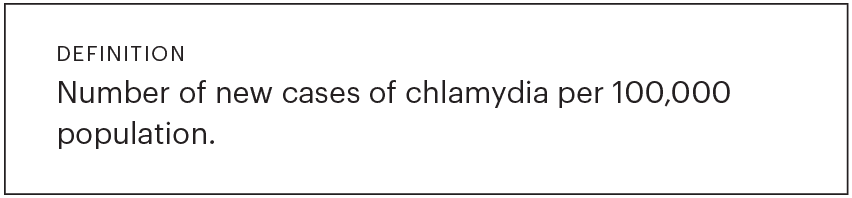
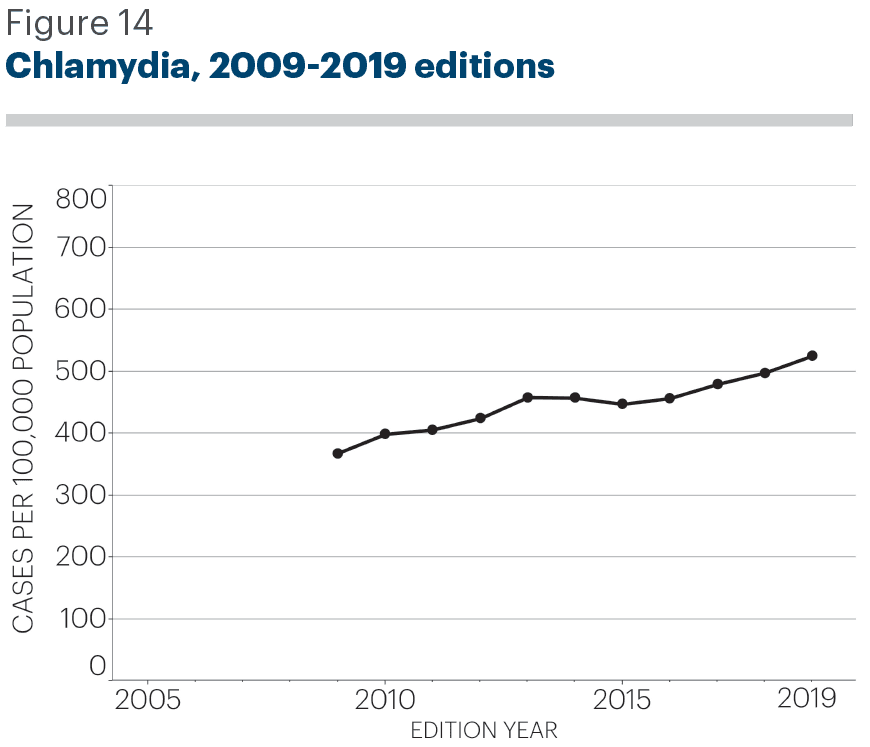
Chlamydia increased 5% in the past year from 497.3 to 524.6 new cases per 100,000, 15% in the past five years (from 456.7) and 43% in the past 10 years (from 367.5) (Figure 14).
According to CDC, chlamydia is the most
commonly reported sexually transmitted infection. More than
1.7 million chlamydia cases were reported in 2017, though many more cases go
undiagnosed and unreported since infections are
usually asymptomatic. Among women,
untreated chlamydia can lead to pelvic inflammatory disease, inability to get pregnant, ectopic pregnancy (pregnancy outside the uterus) and chronic pelvic pain. In men, untreated chlamydia rarely causes life-threatening damage but can lead to
epididymitis, (i.e., swelling or pain in the testicles), reports the Cleveland Clinic.
Geographic variation
The disparity between the states with the highest and lowest rate has improved over time. Chlamydia is 3.5 times higher in Alaska (802.1 cases per 100,000) than West Virginia (228.0); this disparity is smaller than in 2009 when chlamydia was 6.1 times higher in Mississippi (743.0 cases per 100,000) than New Hampshire (122.1).
Long-term challenges in obesity, diabetes and low birthweight
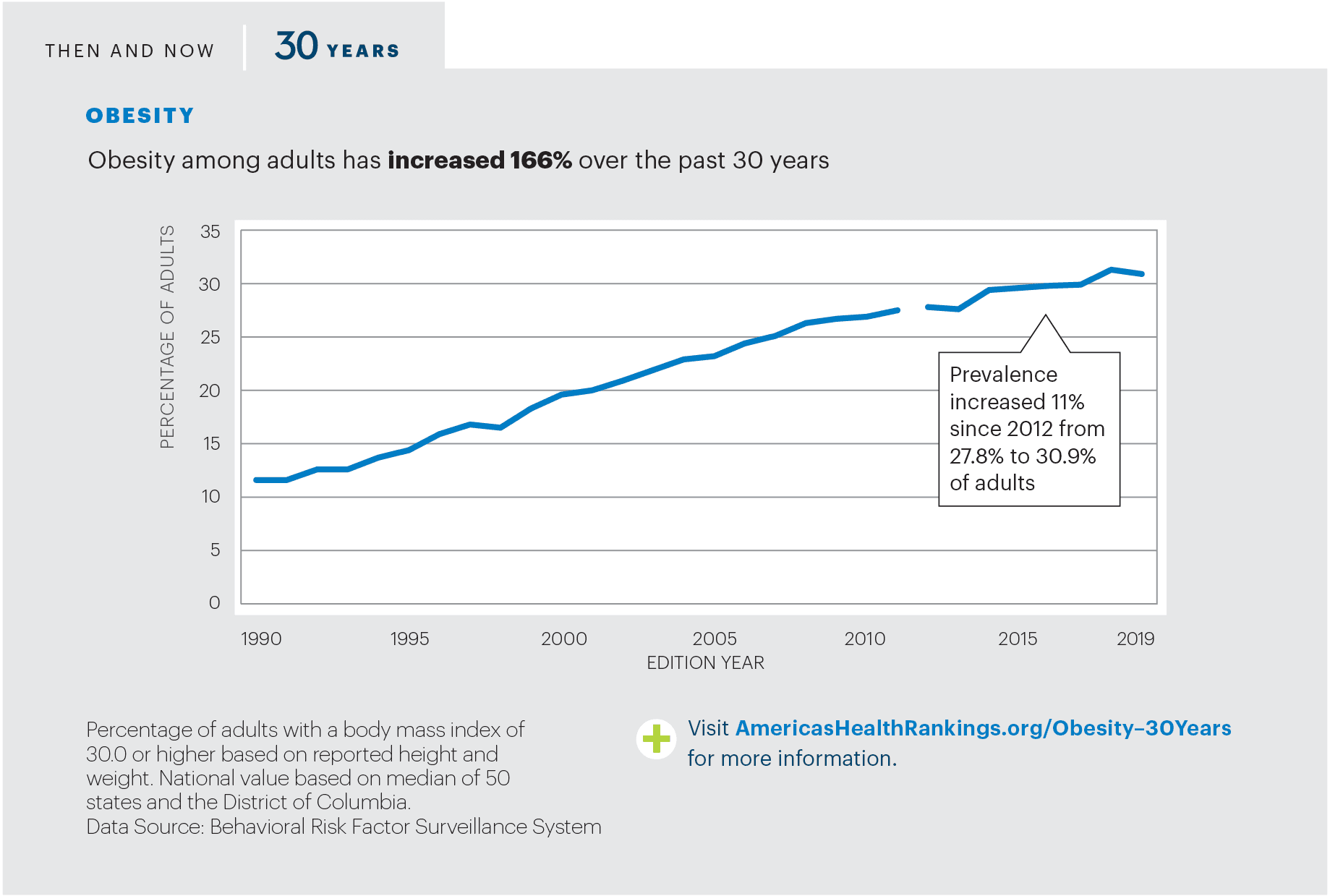
Obesity among adults increased 166% (11.6% to 30.9%) since the first Annual Report in 1990. Today’s obesity prevalence is higher than the Healthy People 2020 target of 30.5% of adults.
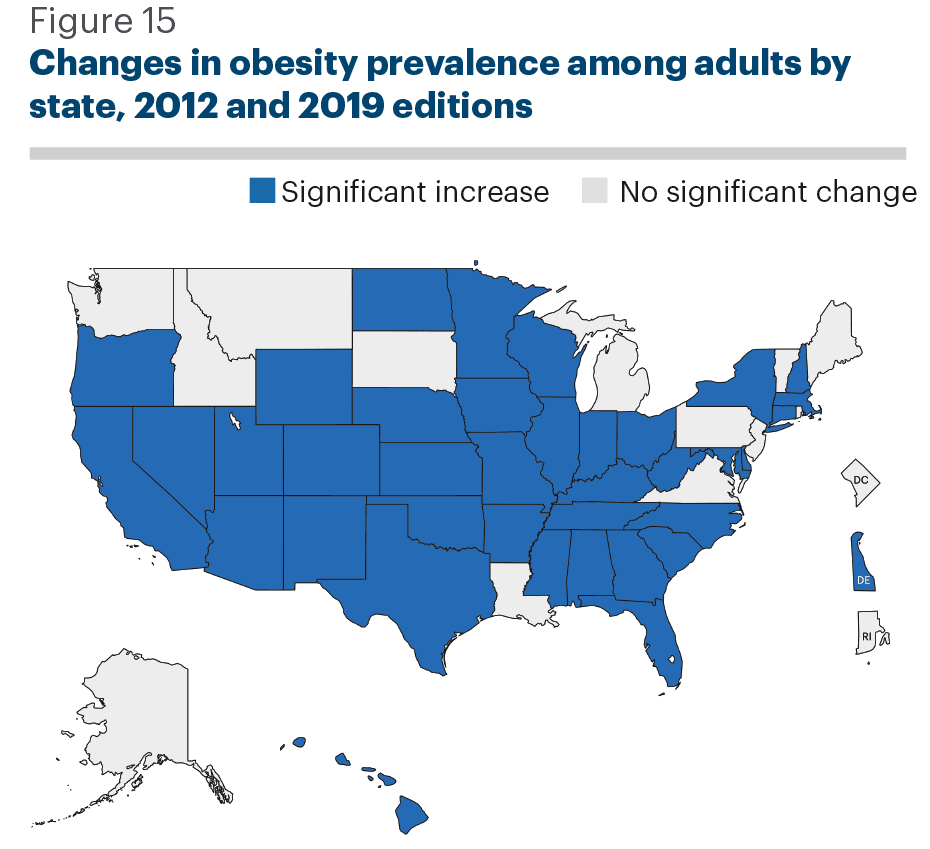
Since 2012, obesity prevalence among adults has increased 11% (from 27.8%), with significant increases in 37 states (Figure 15).
Over the past year, obesity prevalence increased in two states, New Mexico (up 14% from 28.4% to 32.3%) and Utah (up 10% from 25.2% to 27.7%). Obesity prevalence also significantly increased among college graduates ages 25 and older (up 8% from 23.3% to 25.2%), adults ages 25 and older with incomes $50,000-$74,999 (up 7% from 33.0% to 35.4%) and $75,000 or more (up 6% from 27.2% to 28.7%), adults ages 18-44 (up 6% from 26.7% to 28.2%) and females (up 4% from 30.0% to 31.3%).
According to a study by the Cleveland Clinic, obesity is one of the leading causes of
preventable life-years lost among Americans. CDC finds that adults who have obesity, when compared with adults at a healthy weight, are more likely to have a decreased quality of life and have an increased risk of developing
serious health conditions including hypertension, type 2 diabetes, heart disease and stroke, sleep apnea and breathing problems as well as some cancers. Costs associated with obesity and obesity-related health problems are staggering; medical costs were estimated at
$342.2 billion in 2013, and lost productivity is estimated at
$8.65 billion annually.
Disparities
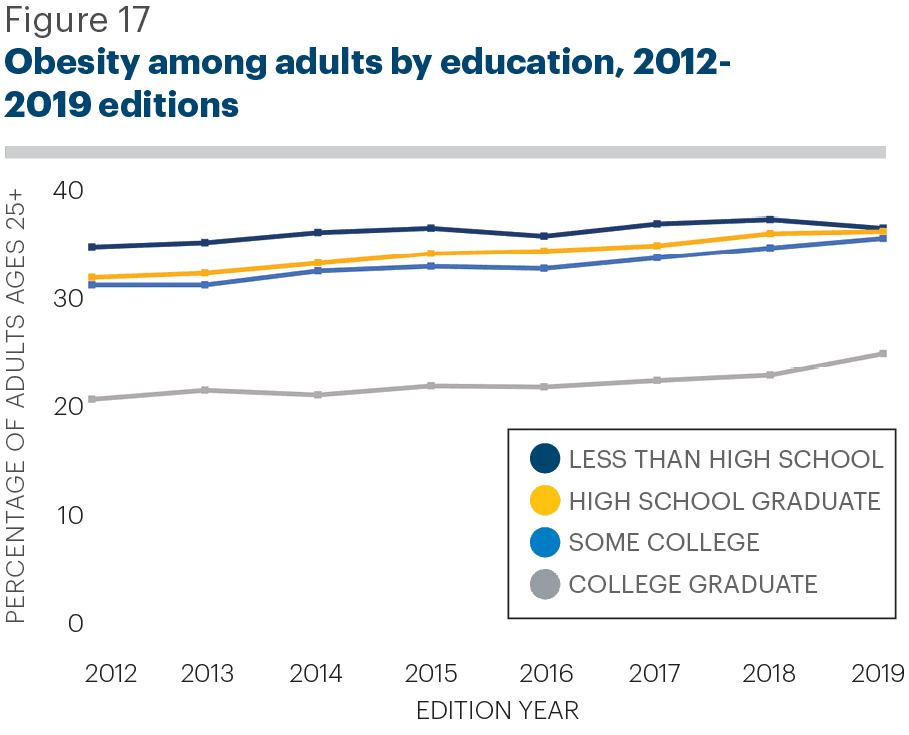
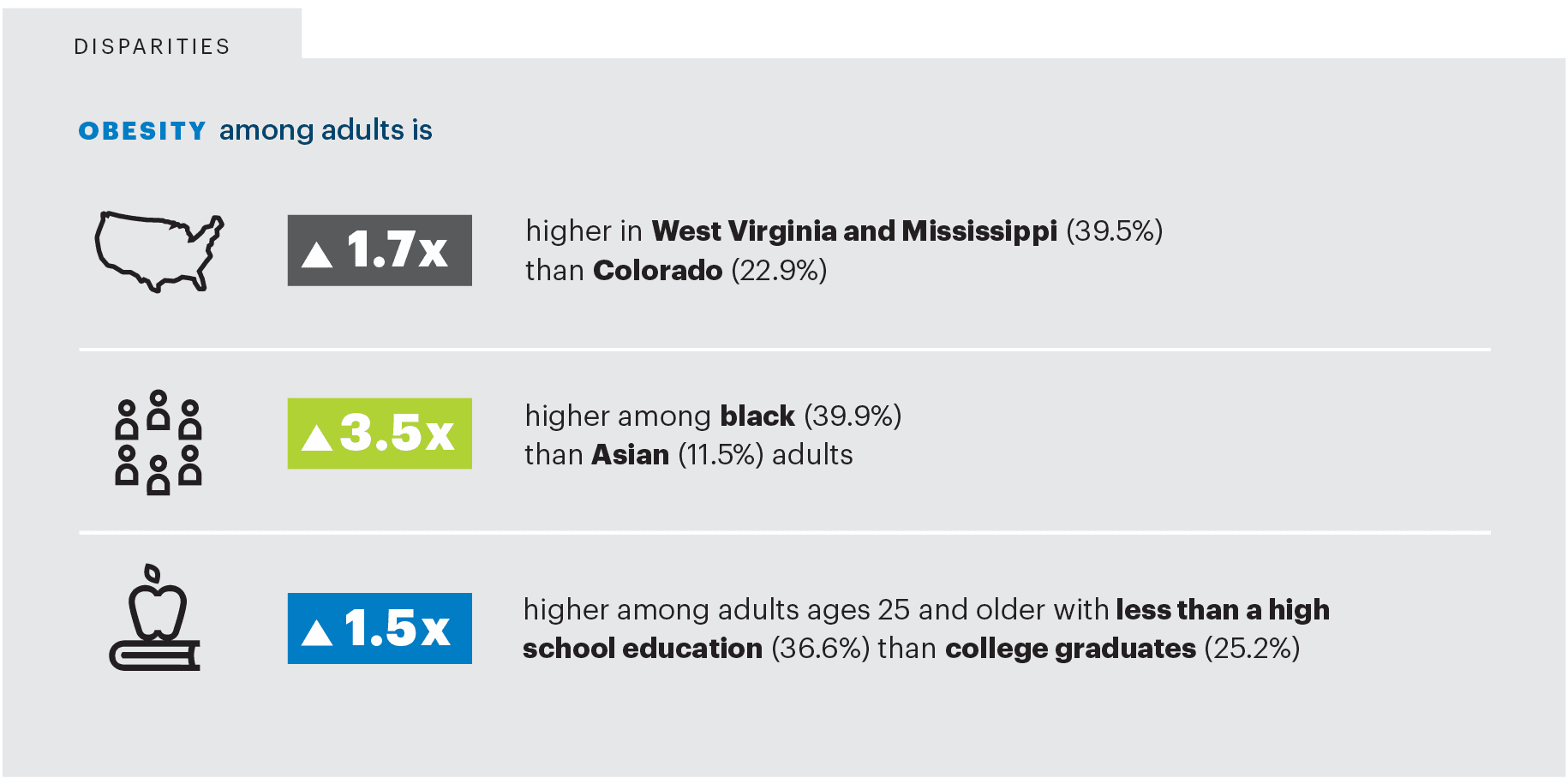
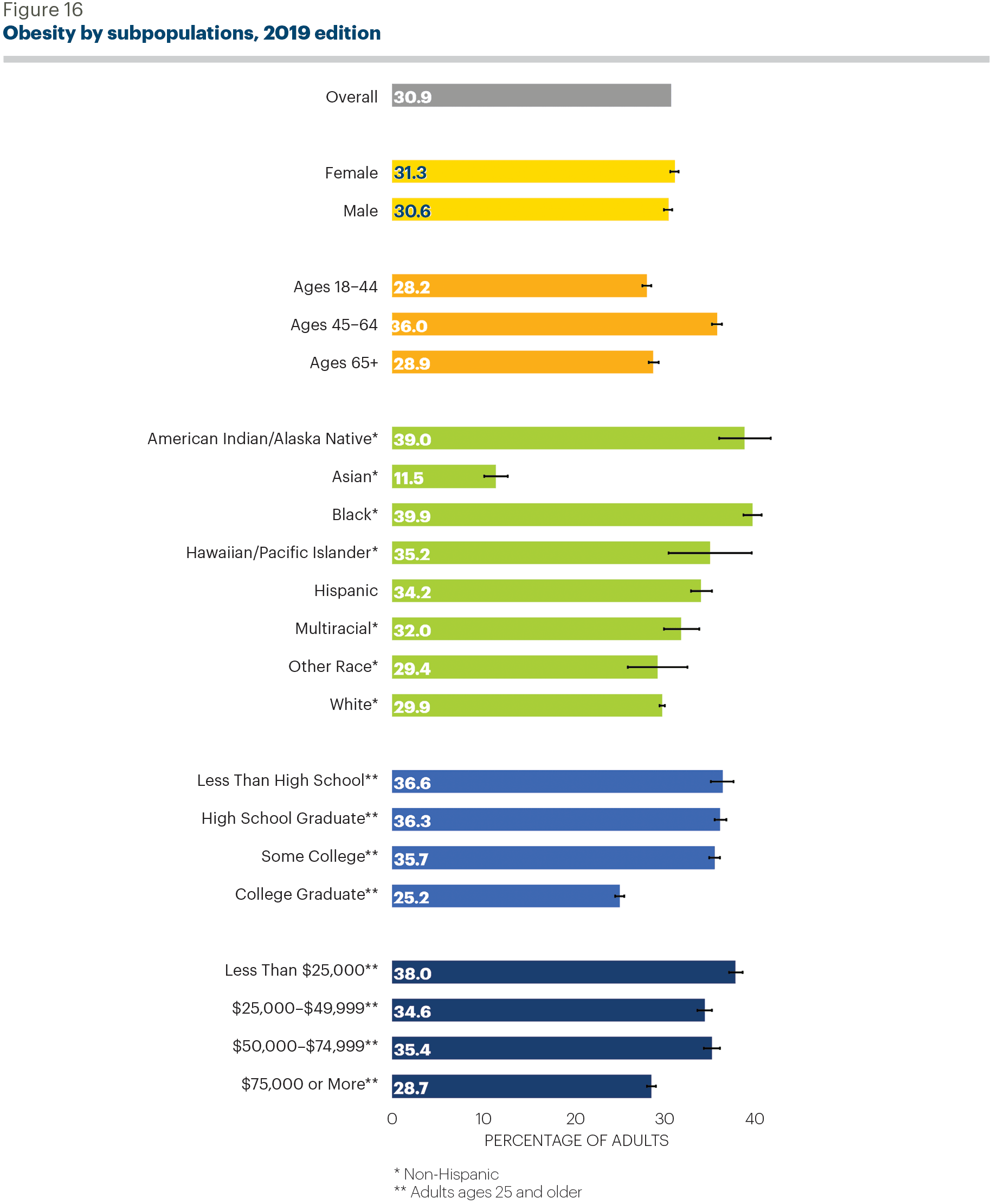
Disparities in obesity are present across states and by age, gender, race/ethnicity, education and income groups (Figure 16). Obesity has been lowest among Asian adults, college graduates (ages 25 and older) and adults ages 25 and older with high incomes $75,000 or more. Obesity is 3.5 times higher among black adults (39.9%), 3.4 times higher among American Indian/Alaska Native adults (39.0%), 3.1 times higher among Hawaiian/Pacific Islander adults (35.2%) and 2.6 times higher among white adults (29.9%) than Asian adults (11.5%). When considering education level among adults ages 25 and older, obesity is significantly lower among college graduates than those with less than high school, high school and some college education. Recently obesity prevalence among the three lower education groups has converged (Figure 17). Similar to education, obesity among adults ages 25 and older is significantly lower among those with incomes of $75,000 or more and is significantly higher among those with incomes less than $25,000 than the two middle income groups.
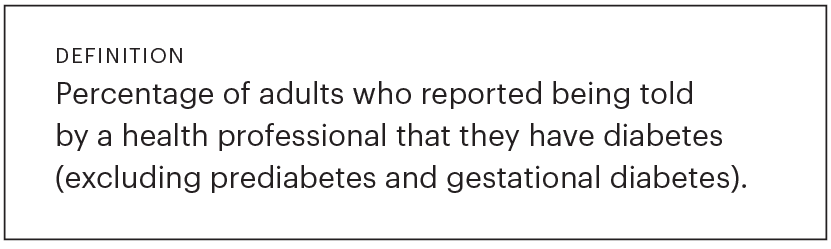
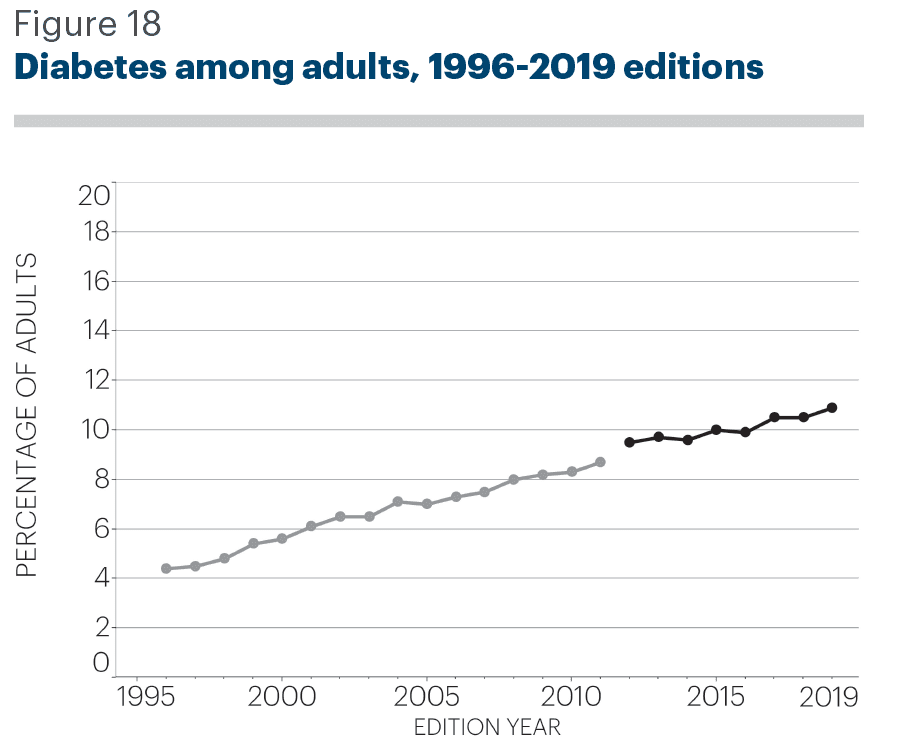
Since 1996, diabetes prevalence among adults increased 148% from 4.4% to 10.9%, which is the highest prevalence in America’s Health Rankings history (Figure 18). Since 2012, diabetes prevalence increased 15%, with significant increases occurring in 23 states.
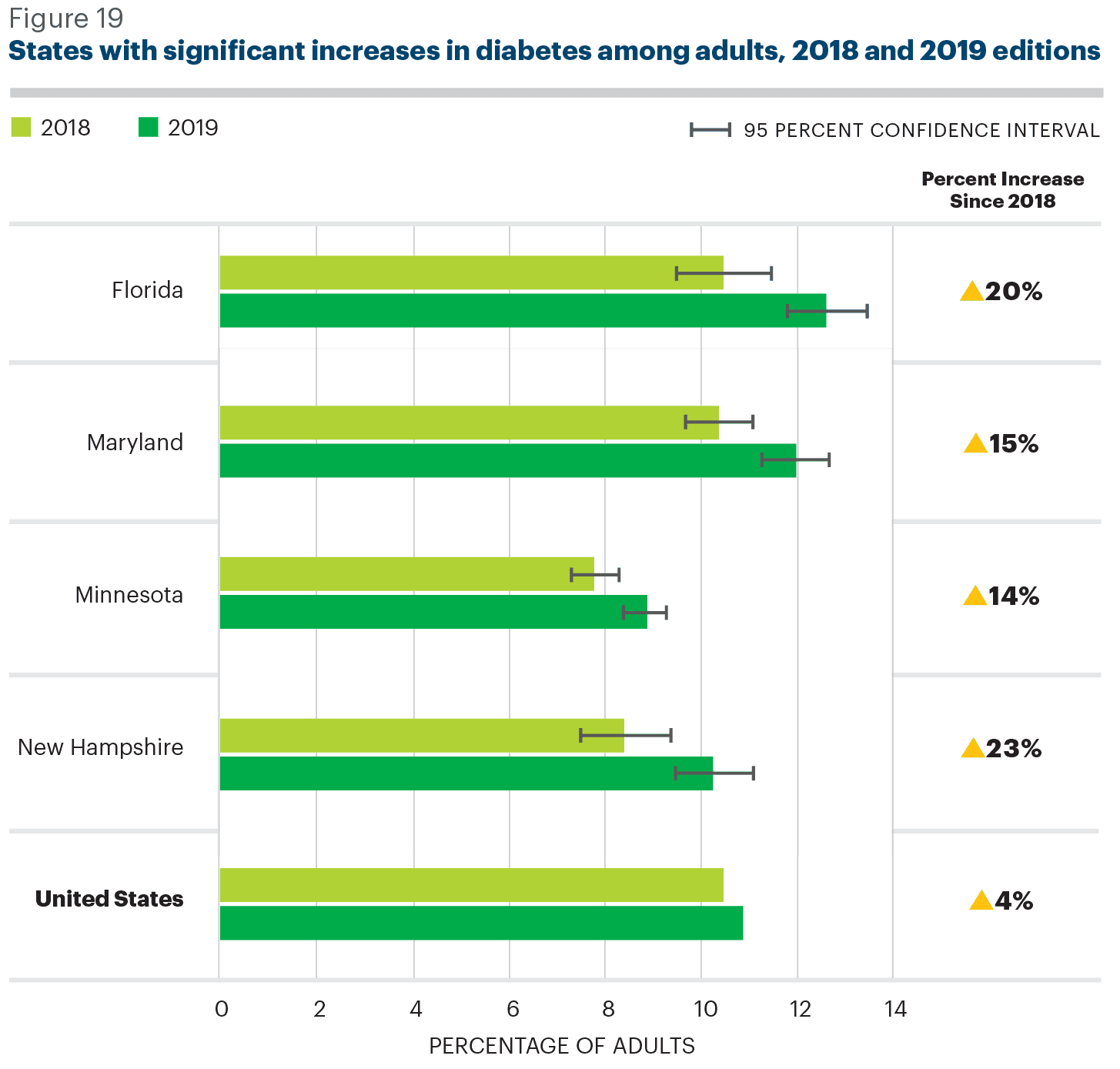
In the past year, significant increases occurred in Florida (up 20% from 10.5% to 12.6%), Maryland (up 15% from 10.4% to 12.0%), Minnesota (up 14% from 7.8% to 8.9%) and New Hampshire (up 23% from 8.4% to 10.3%) (Figure 19). Also in the past year, diabetes significantly increased 12% among adults ages 25 and older with incomes $50,000-$74,999 (10.2% to 11.4%), 10% among college graduates ages 25 and older (7.3% to 8.0%), 6% among adults ages 65 and older (22.6% to 23.9%) and 6% among white adults (10.1% to 10.7%).
According to CDC, diabetes is the nation’s seventh-leading cause of death, accounting for
83,564 deaths in 2017. Diabetes is a serious risk factor for heart disease and stroke. According to the American Diabetes Association, costs attributable to diagnosed diabetes is estimated at
$327 billion annually, and health care costs are
2.3 times higher among Americans with diabetes than Americans without diabetes.
Disparities and geographic variation
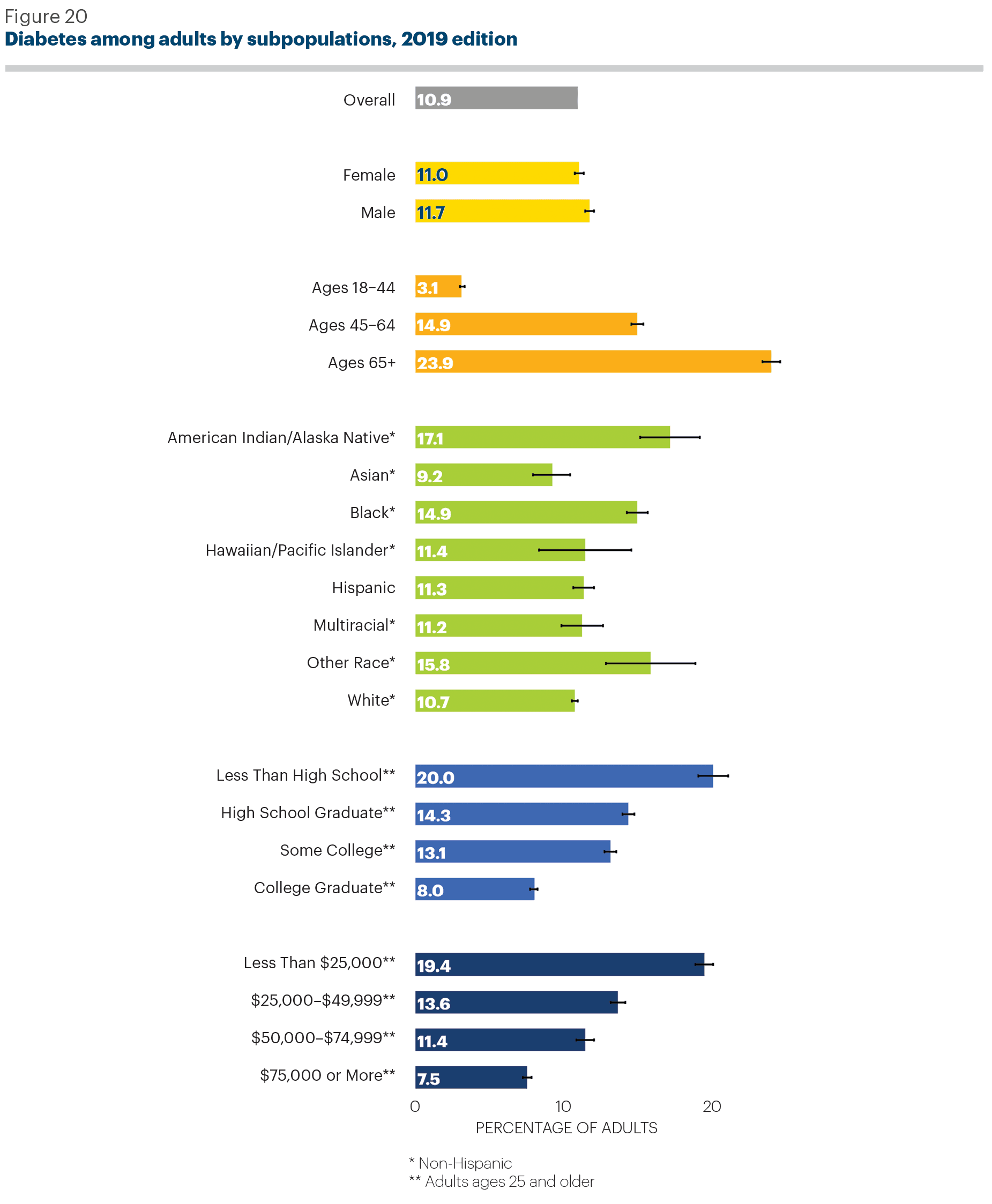
Disparities in diabetes are present across states and by age, gender, race/ethnicity, education and income groups (Figure 20). Diabetes is lowest among adults ages 18-44, college graduates (ages 25 and older) and adults ages 25 and older with incomes $75,000 or more. Populations with the highest diabetes prevalence over time include adults ages 65 and older, those with less than a high school education and those with incomes less than $25,000. Diabetes prevalence is significantly higher as education level and income level decreases.
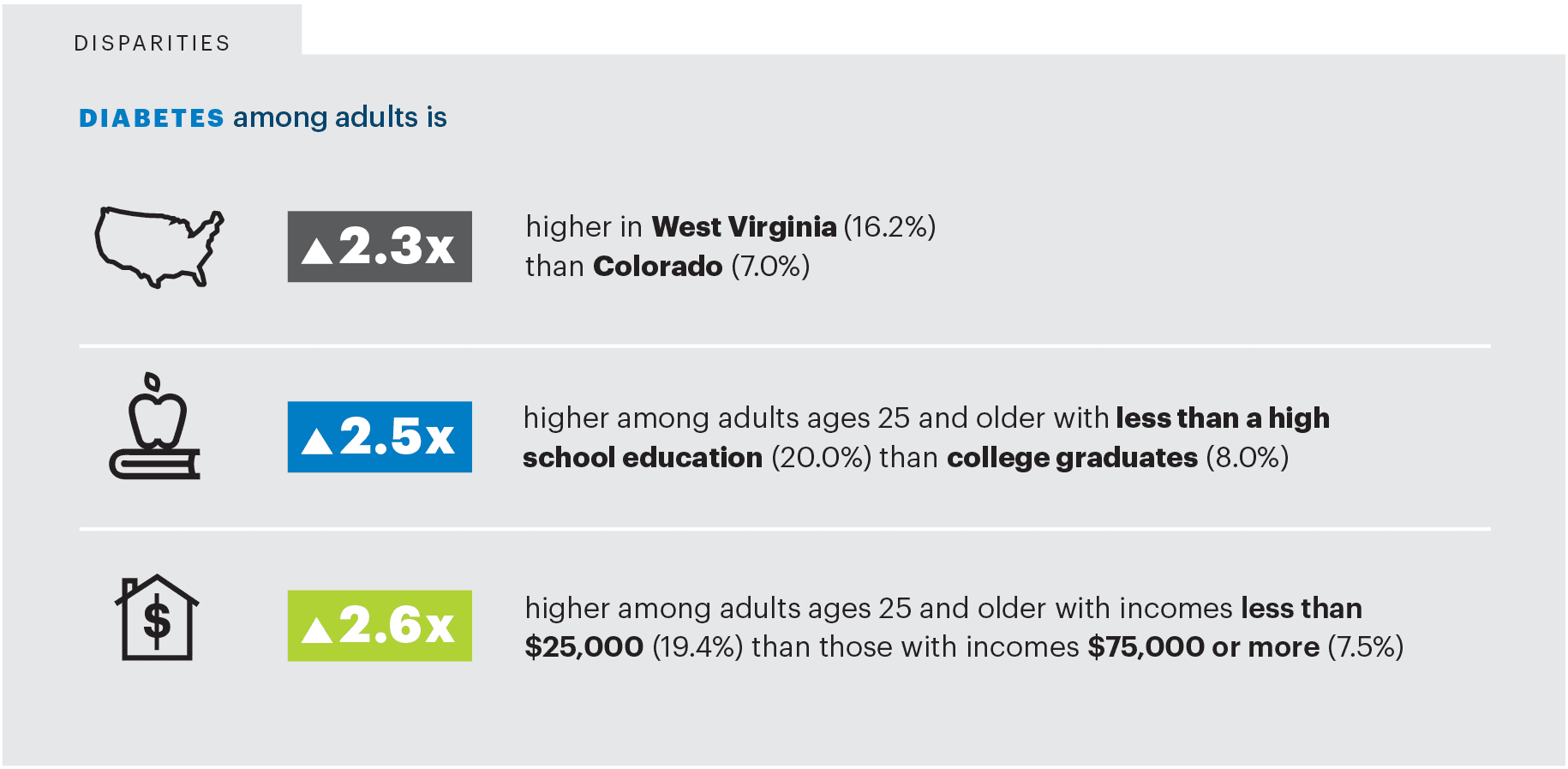
The disparity between the states with the highest and lowest prevalences has worsened over time. Diabetes is 2.3 times higher in West Virginia (16.2%) than Colorado (7.0%); this disparity is larger than in 2012 when diabetes was 1.9 times higher in Mississippi (12.4%) than Colorado (6.7%).
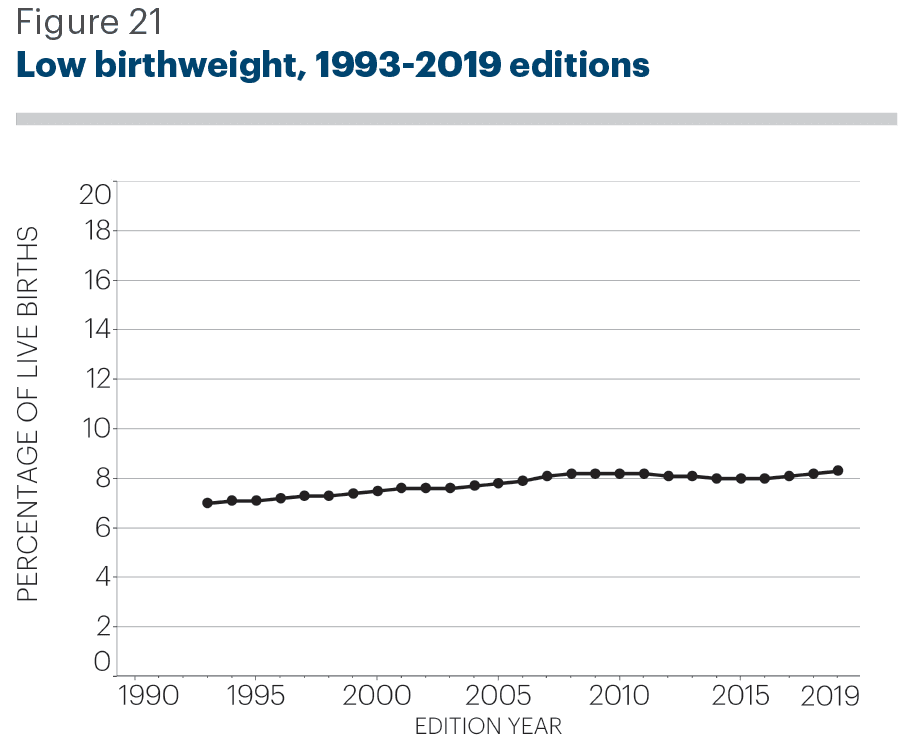
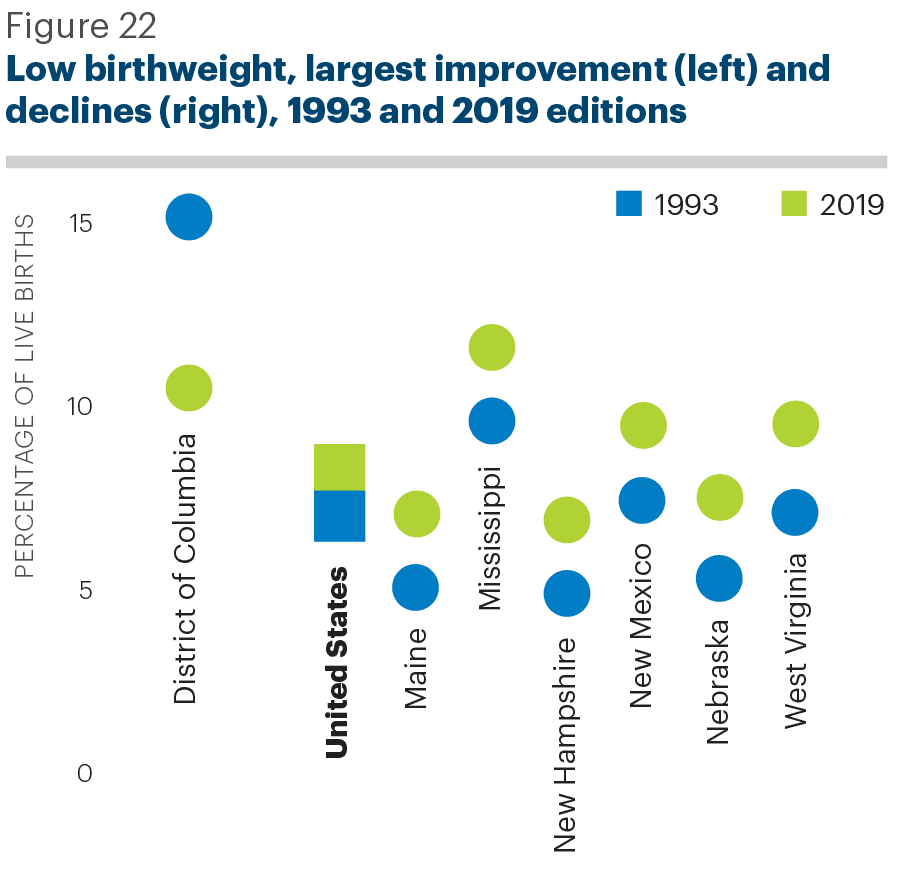
Since 1993, the percentage of infants born with a low birthweight has increased 19% (7.0% to 8.3%), the highest percentage in Annual Report history (Figure 21). During this period, low birthweight increased in all states but decreased 30% in the District of Columbia (15.1% to 10.5%).The largest increases in low birthweight occurred in West Virginia (7.1% to 9.5%), Nebraska (5.3% to 7.5%), New Mexico (7.4% to 9.5%), New Hampshire (4.9% to 6.9%), Mississippi (9.6% to 11.6%) and Maine (5.1% to 7.1%) (Figure 22). Low birthweight in the District of Columbia has risen since it’s lowest level of 9.5% in 2015.
Low birthweight remains a challenge
While low birthweight is a major risk factor for infant mortality, improvements in infant mortality have been largely driven by
reductions in SIDS and in vaccine-preventable diseases as well as advances in medical care.
The most common causes of low birthweight are premature birth and restricted fetal growth. Risk factors include inadequate
prenatal care for mothers and
smoking or drinking
alcohol during pregnancy, according to CDC. Low and very low birthweight infants who survive to adulthood often experience serious
physical and
mental morbidities, significantly increasing the
costs of hospitalization and care from birth and throughout the lifespan.
Troubling trend reversals
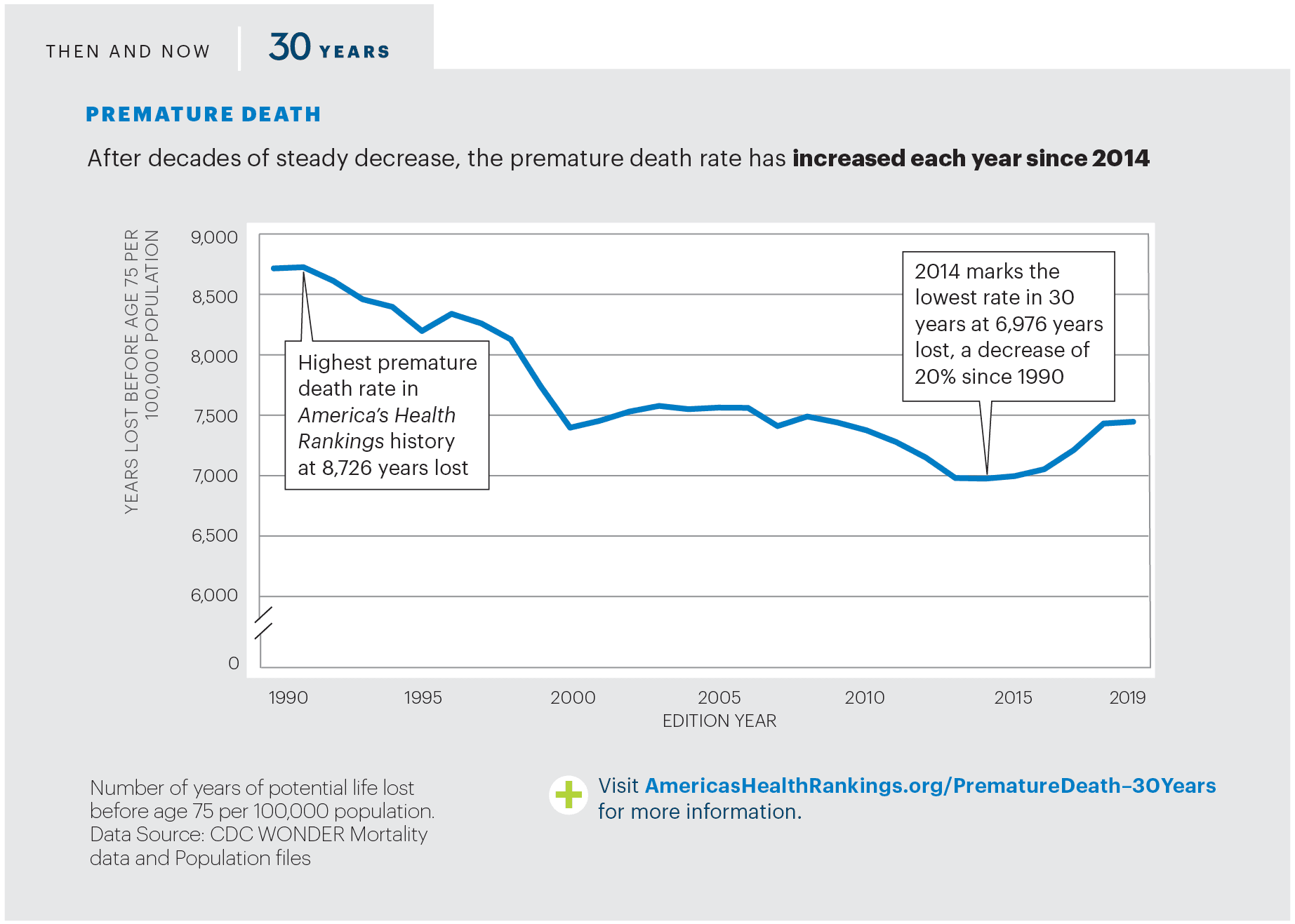
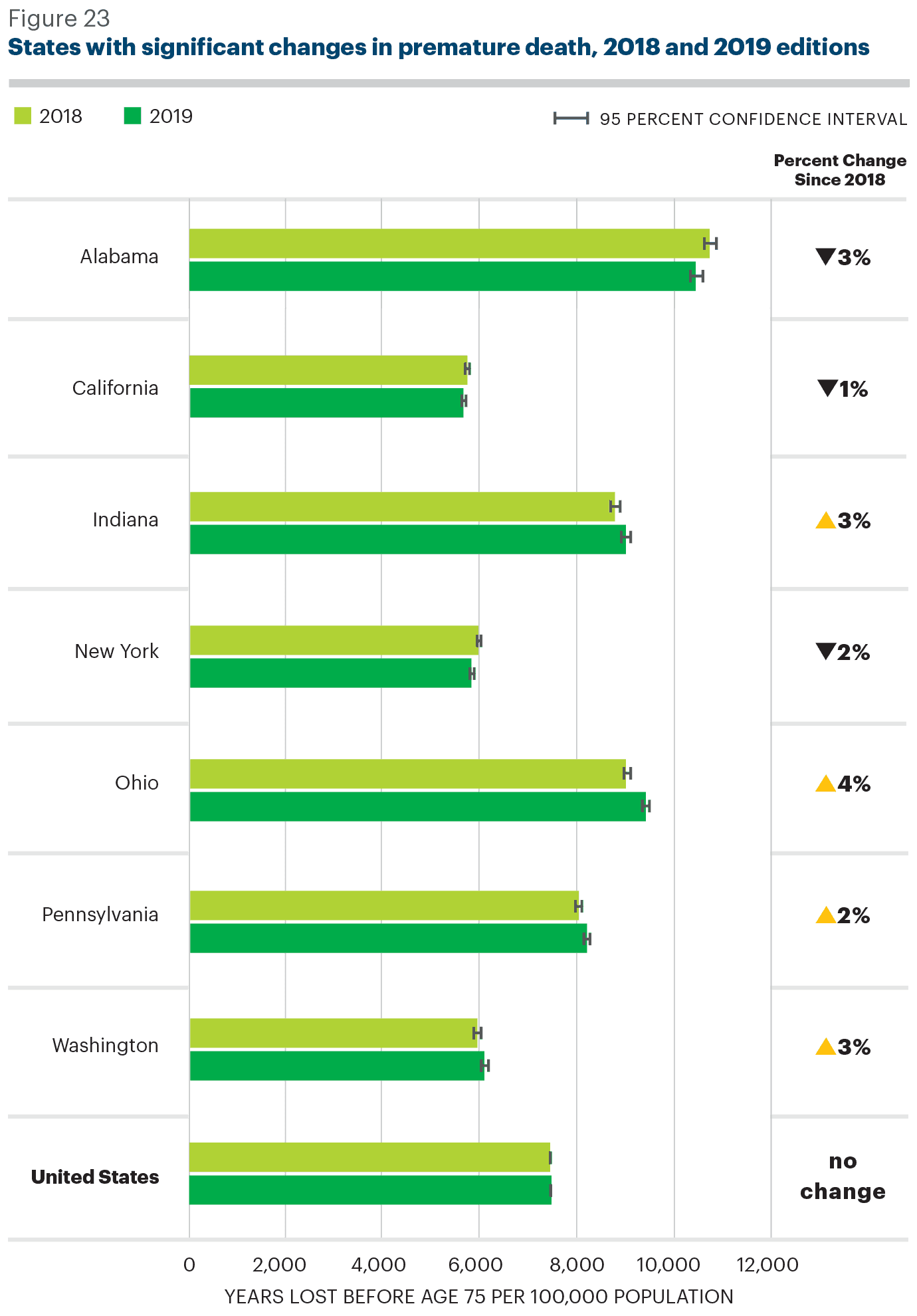
The premature death rate has decreased 15% between 1990 and 2019. The rate reached a historic low in 2014, however, has increased every year since. After the low in 2014, the premature death rate has significantly increased nationally (6,976 to 7,447) and in 44 states. In the past year, the rate continued to significantly increase nationally (from 7,432) and in four states, while three states showed decreases (Figure 23).
According to CDC’s
Years of Potential Life Lost Report, unintentional injury, cancer, heart disease, suicide and perinatal deaths were the top five causes of premature death in the United States in 2017. Social factors such as low education, poverty, racial segregation and inadequate social support also contribute to premature death. Many premature deaths may be
preventable through lifestyle modifications such as smoking cessation or healthy eating and exercise.
Geographic variation
The disparity between the states with the highest and lowest rate has worsened over time. The premature death rate of the No. 1 state for this measure has dropped since 1990, while the rate of the No. 50 state has increased. Premature death is 2.0 times higher in West Virginia (11,448 deaths per 100,000) than California (5,665); this disparity is larger than in 1990 when premature death was 1.7 times higher in Mississippi (10,941) than Minnesota (6,541).
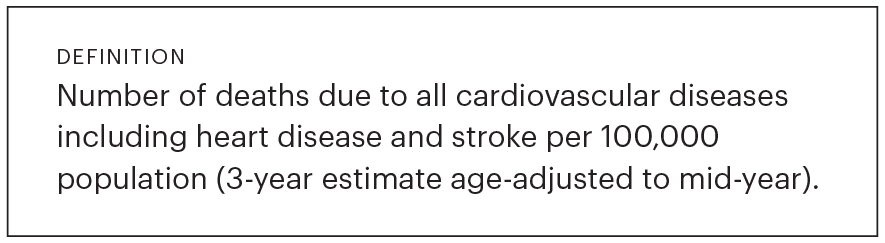
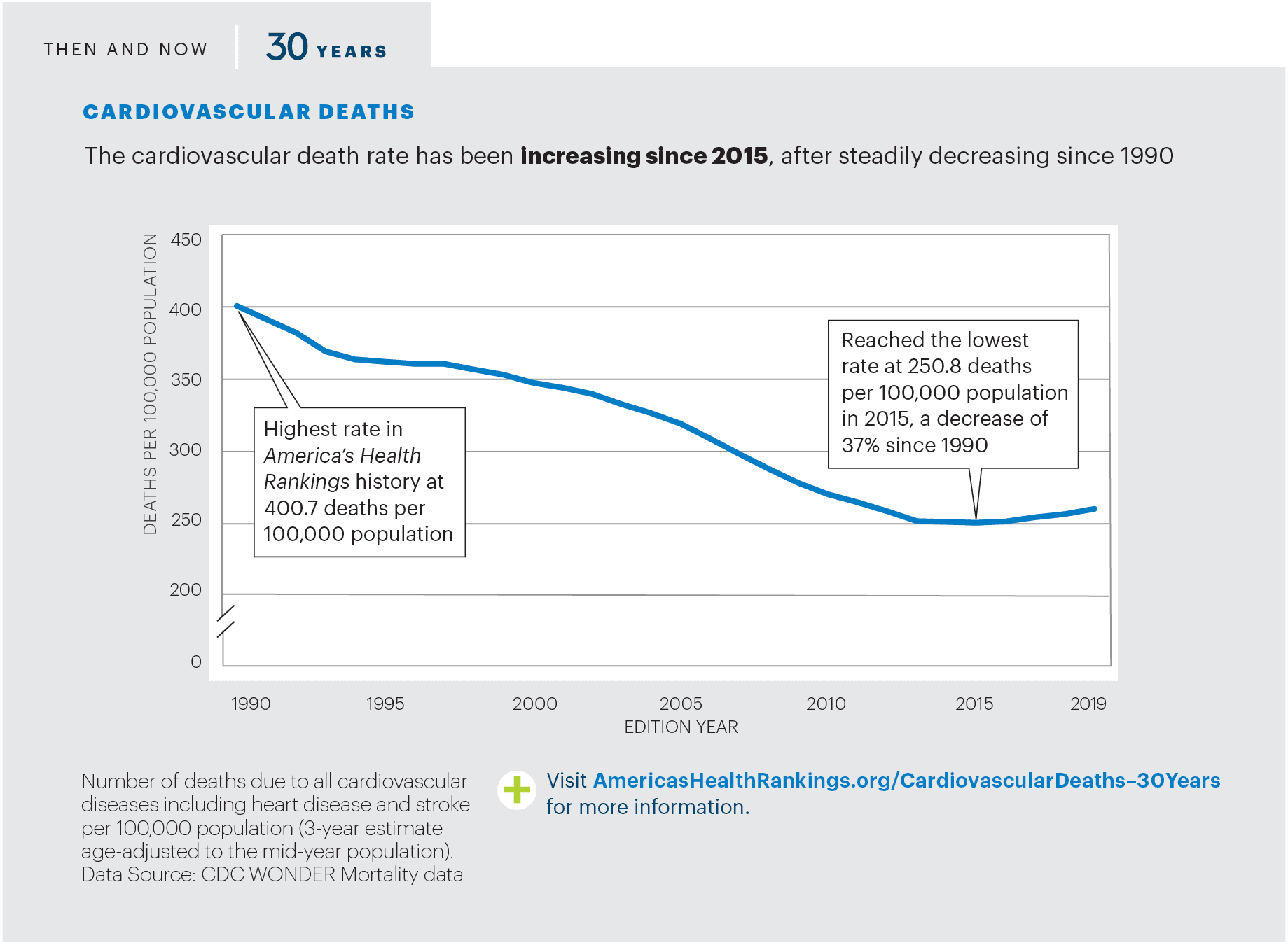
The cardiovascular death rate has significantly increased 4% (250.8 to 260.4) since 2015 — after steadily decreasing since 1990. This is the fourth consecutive year the cardiovascular death rate has increased nationally.
According to CDC, heart disease and stroke are the nation’s
leading and fifth-leading causes of death, respectively. In 2017, heart disease accounted for 647,457 deaths and stroke accounted for 146,383 deaths.
Symptoms of cardiovascular disease, identified by the Mayo Clinic, often include fatigue and shortness of breath. These symptoms and their accompanying diagnosis can have dramatic effects on people's lives. Recent
increases in conditions that can lead to cardiovascular disease, such as obesity and diabetes, have resulted in rising cardiovascular disease rates, particularly in
high-risk populations.Geographic variation
The disparity between the states with the highest and lowest rate has worsened over time. The cardiovascular death rate is 1.9 times higher in Mississippi (363.2 deaths per 100,000) than Minnesota (193.8).
New this year
Crude rates and rates age-adjusted to the 2000 U.S. standard population are now available for
cardiovascular deaths.

 Alabama
 Alaska
 Arizona
 Arkansas
 California
 Colorado
 Connecticut
 Delaware
 District of Columbia
 Florida
 Georgia
 Hawaii
 Idaho
Idaho Illinois
 Indiana
 Iowa
Iowa Kansas
 Kentucky
 Louisiana
 Maine
Maine Maryland
 Massachusetts
 Michigan
 Minnesota
 Mississippi
 Missouri
 Montana
 Nebraska
 Nevada
 New Hampshire
 New Jersey
 New Mexico
 New York
 North Carolina
 North Dakota
 Ohio
Ohio Oklahoma
 Oregon
 Pennsylvania
 Rhode Island
 South Carolina
 South Dakota
 Tennessee
 Texas
Texas Utah
Utah Vermont
 Virginia
 Washington
 West Virginia
 Wisconsin
 Wyoming
 US SummaryAppendixRankings Measures TableSupplemental Measures TableData Source DescriptionsThe Team