Smoking and tobacco use down, advances in clinical care measures, teen births down
Smoking decreasing among women of reproductive age, with widespread disparities
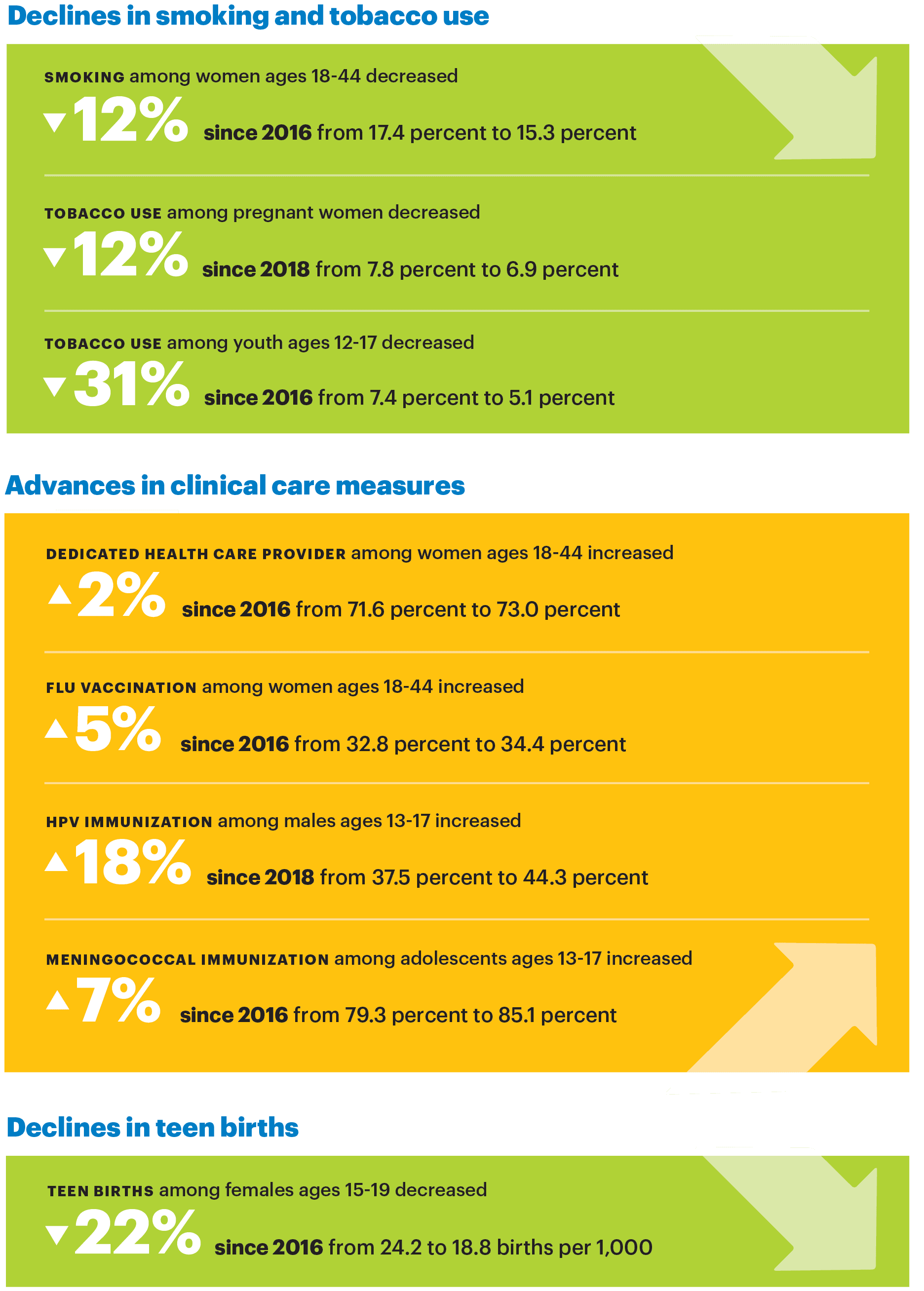
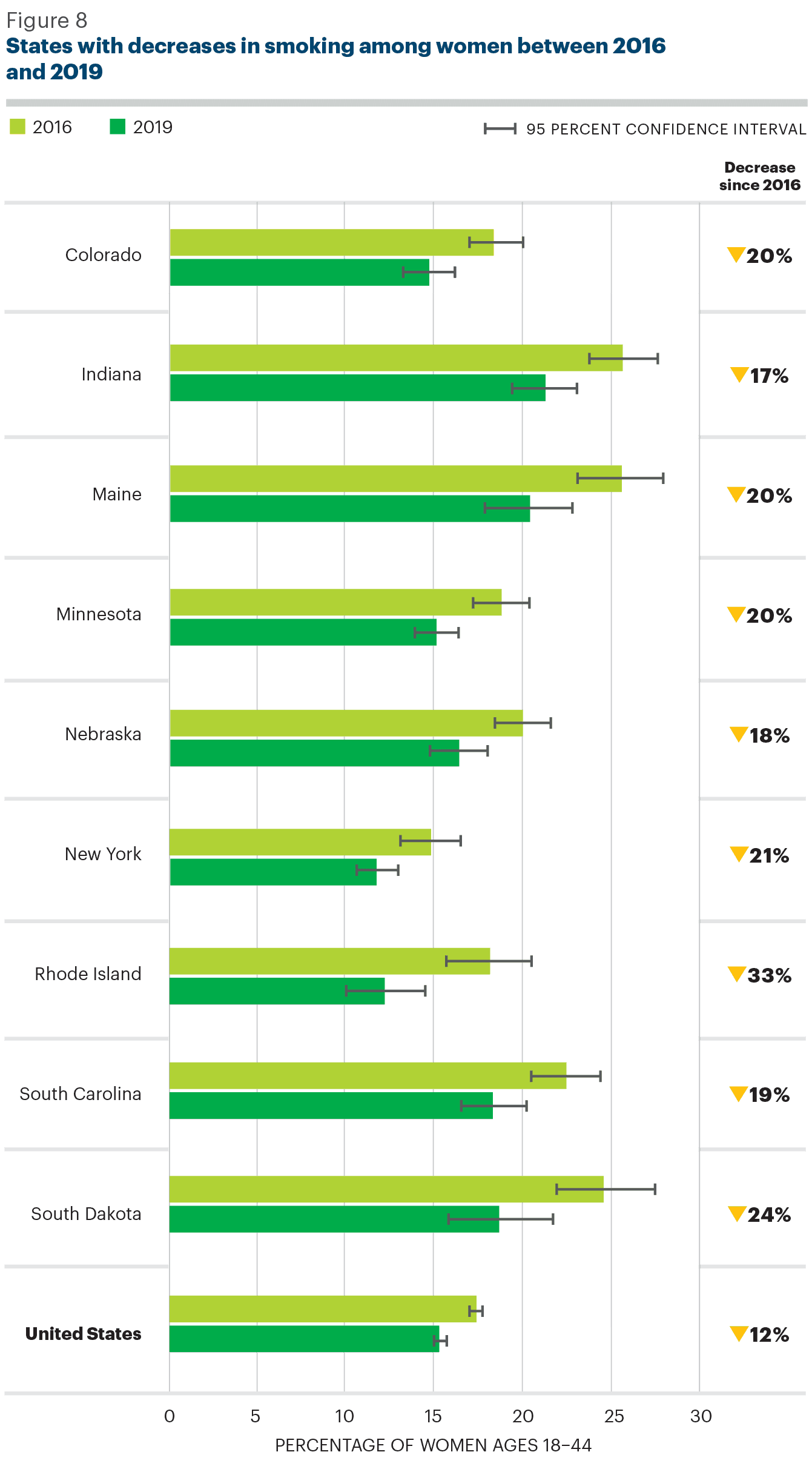
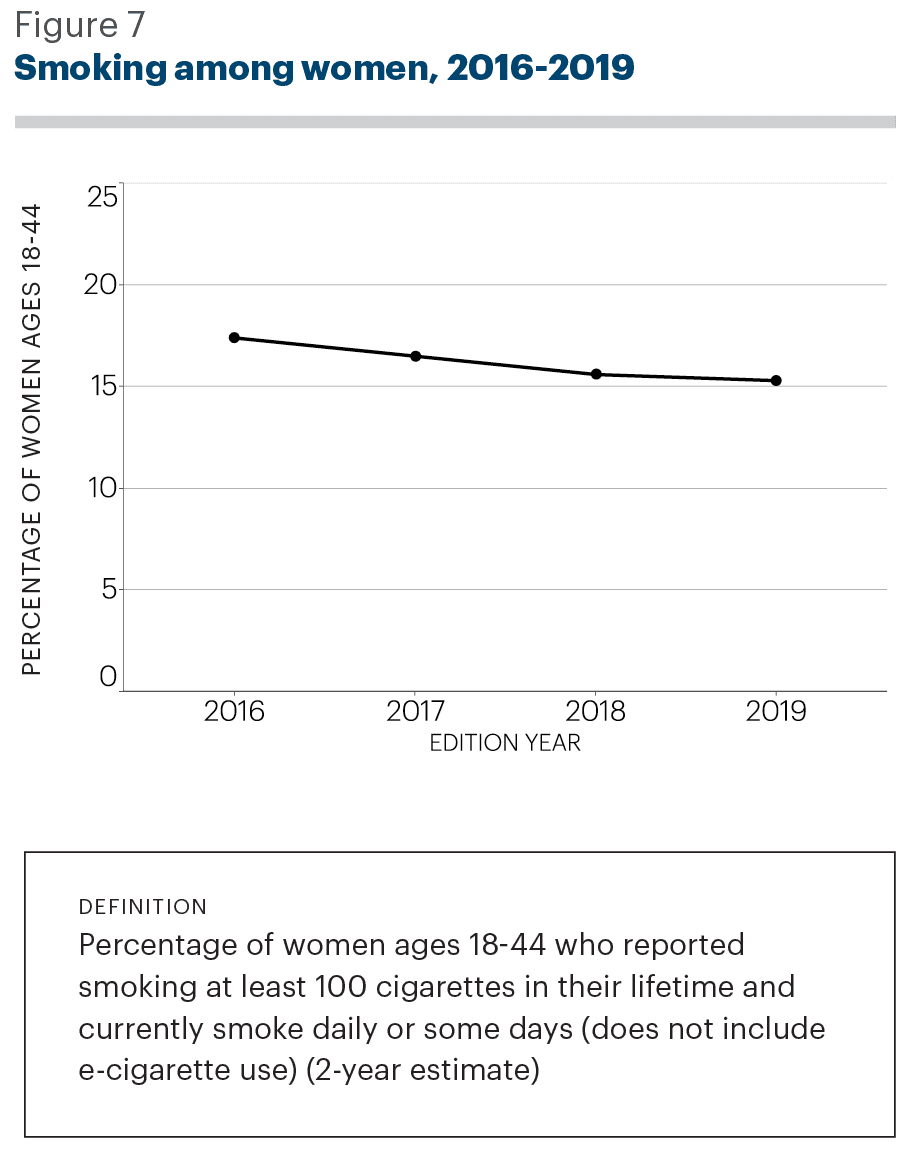
Smoking among women decreased 12 percent since 2016 from 17.4 percent to 15.3 percent (Figure 7) — a decrease of nearly 950,000 women. Significant decreases also occurred in nine states (Figure 8). Significant decreases also occurred in nine states (Figure 8). The largest decrease occurred in Rhode Island, dropping 33 percent since 2016.
hwc2019fig7
Disparities and geographic variation
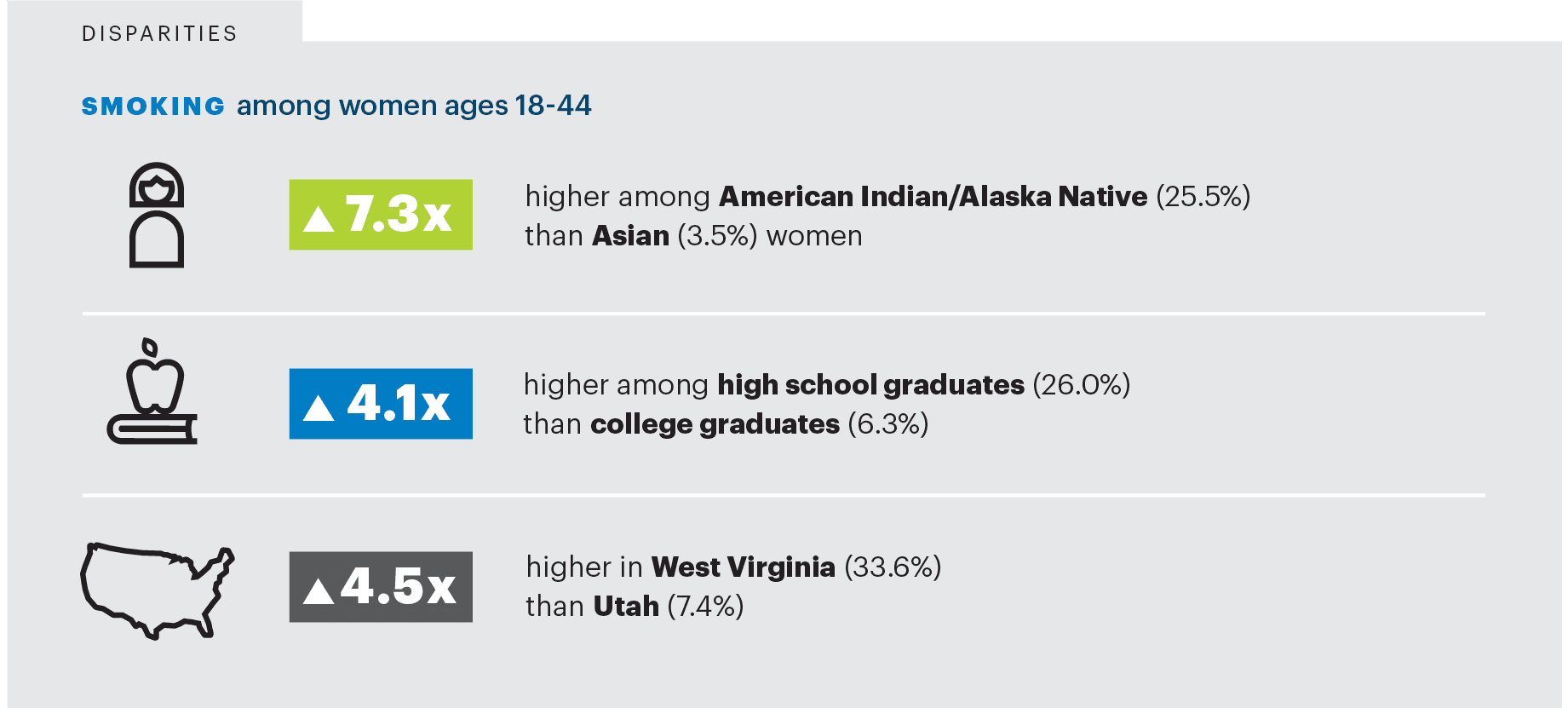
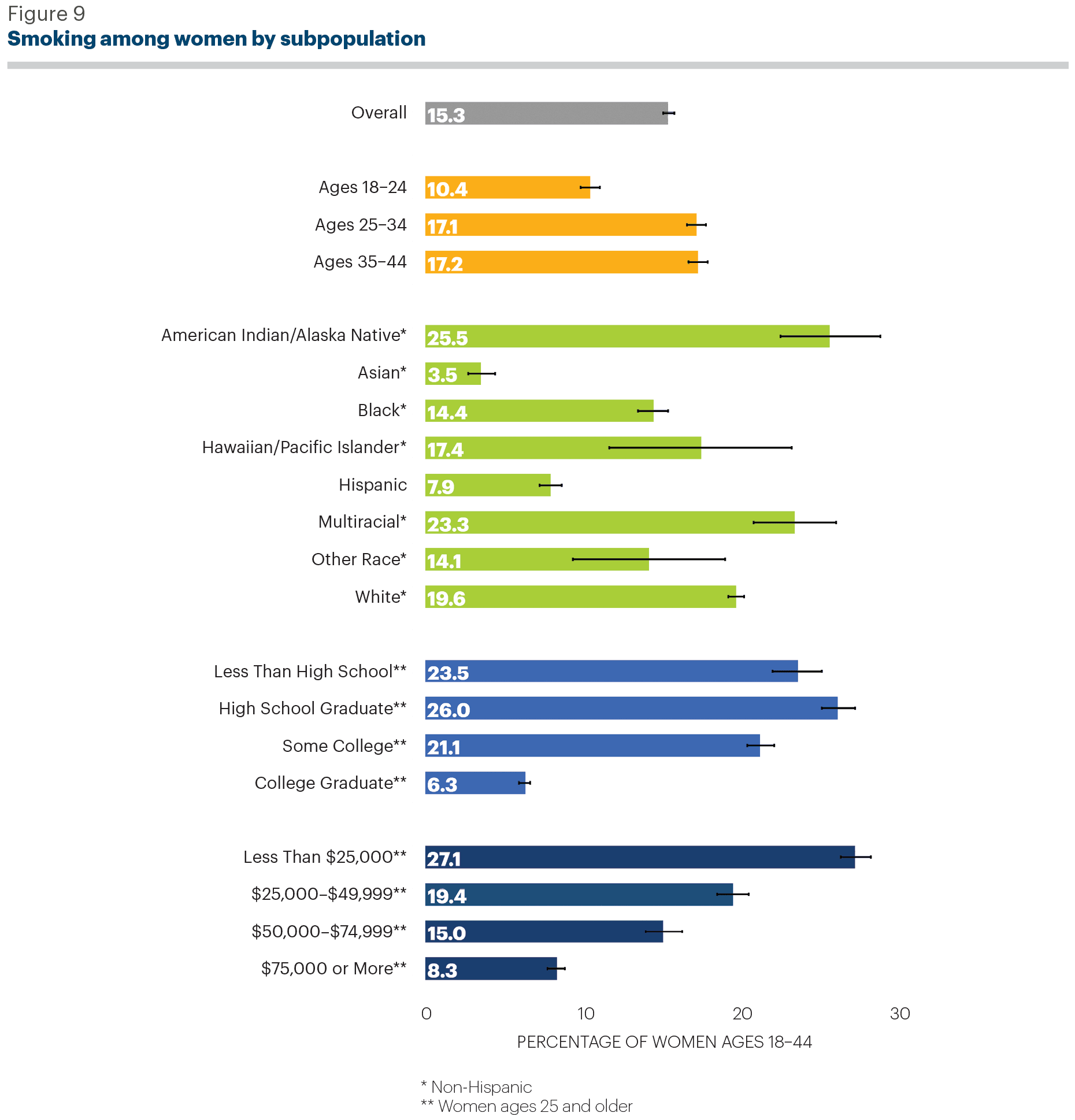
Disparities in smoking among women ages 18-44 are present across age group, race/ethnicity, education and income (Figure 9). American Indian/Alaska Native women have a smoking prevalence that is 7.3 times higher than Asian women. Both populations have made improvements, however, with smoking prevalence declining 23 percent (33.1 percent to 25.5 percent) and 27 percent (4.8 percent to 3.5 percent), respectively, since 2016.
Large differences are also present across states, with smoking prevalence 4.5 times higher in West Virginia (33.6 percent) than Utah (7.4 percent). And the gap has grown: In 2016, smoking was 4.1 times higher in West Virginia (33.6 percent) than California (8.2 percent).
Tobacco use down among pregnant women, with disparities across states
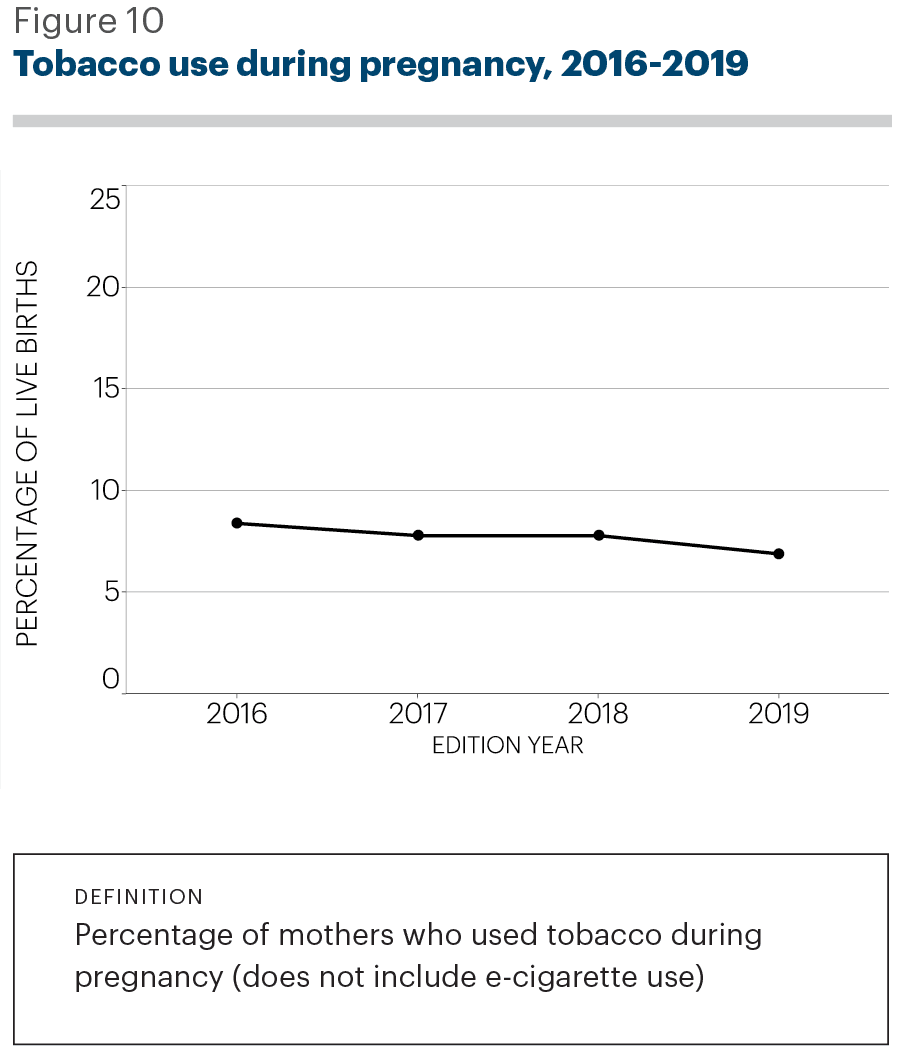
Tobacco use among pregnant women decreased 12 percent in the past year from 7.8 percent to 6.9 percent (Figure 10), or 31,535 fewer mothers. Decreases were seen in all states. The largest declines occurred in Maine and North Dakota, both decreasing 2.5 percentage points. Despite these improvements, the geographic variation is astounding; tobacco use during pregnancy is 17.6 times higher in West Virginia (24.7 percent) than California (1.4 percent). The ratio between these two states has grown wider since 2016.
According to CDC’s Division of Reproductive Health,
smoking during pregnancy increases the risk of abnormal bleeding during pregnancy and delivery and health problems in infants including preterm birth, low birthweight, birth defects of the mouth and lip, sudden infant death syndrome and damage to developing lungs and brain. Other research shows it is associated with
miscarriage and
ectopic pregnancy.
Tobacco use down among youth, with disparities across states
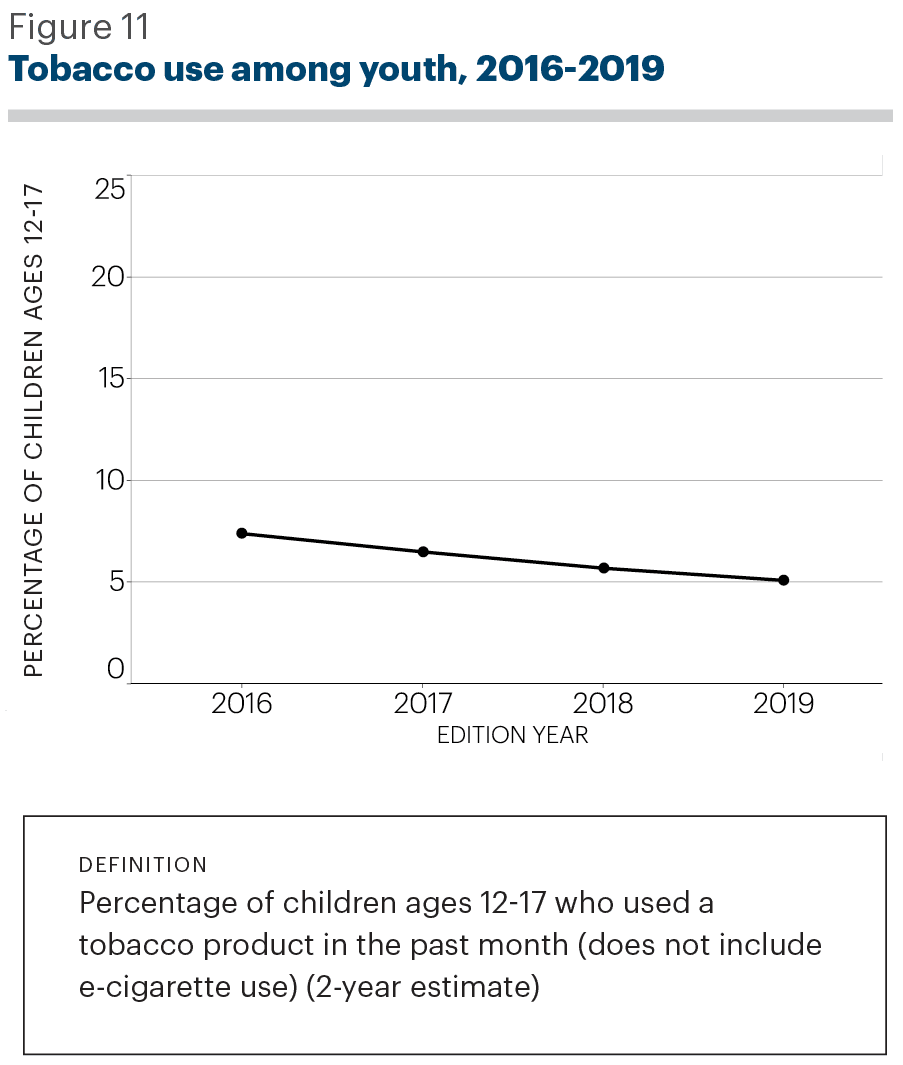
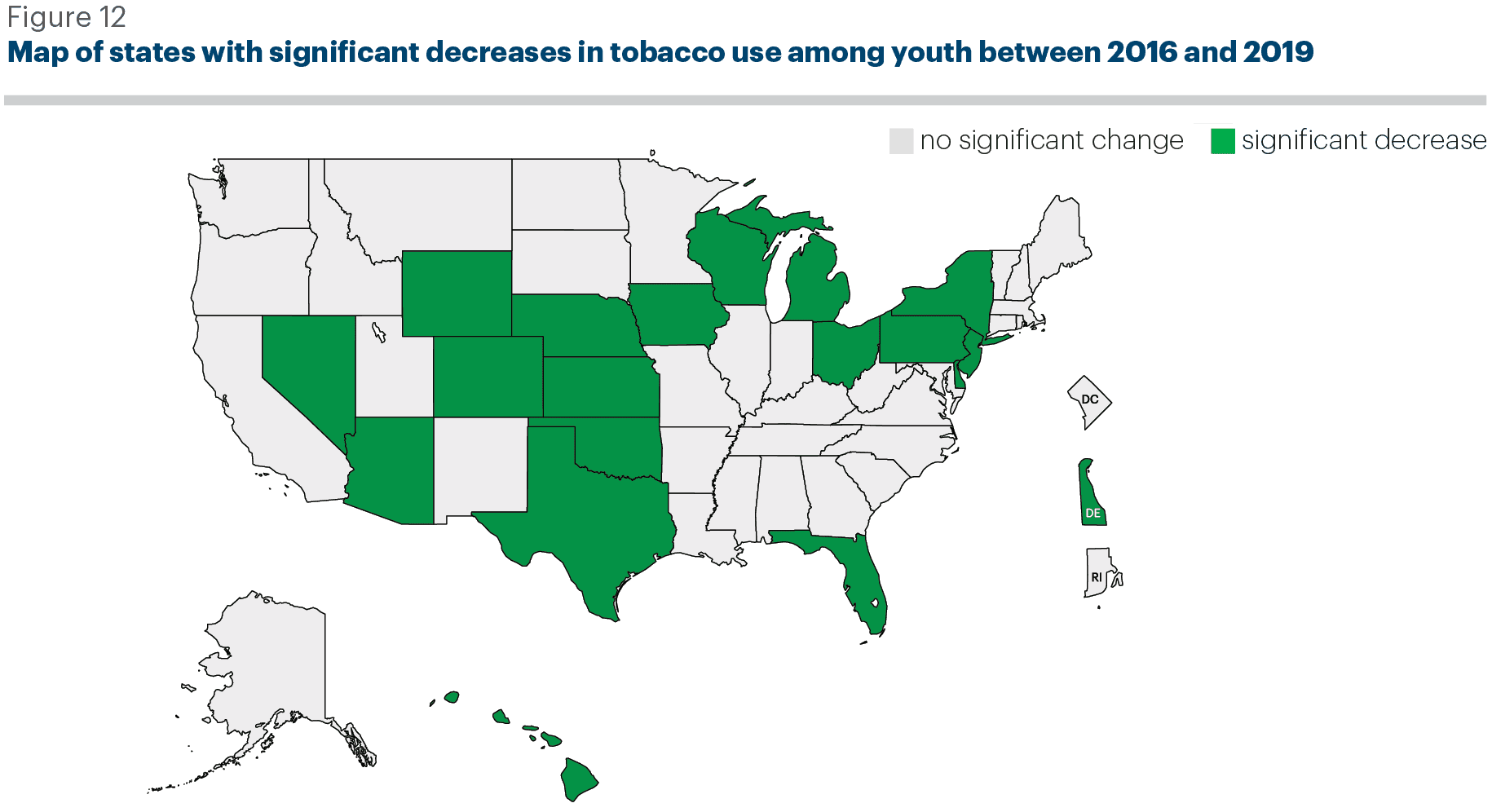
Tobacco use among youth ages 12-17 decreased 31 percent since 2016 from 7.4 percent to 5.1 percent (Figure 11). It decreased significantly in 18 states, shown below in green in Figure 12. Despite these improvements, large geographic variation remains; tobacco use among youth is 2.8 times higher in Kentucky (9.6 percent) than Hawaii (3.4 percent). This gap has grown. In 2016, tobacco use among youth was 2.5 times higher in West Virginia (12.5 percent) than in California (5.0 percent).
Advances in clinical care measures
The percentage of women with a dedicated health care provider up, with widespread disparities
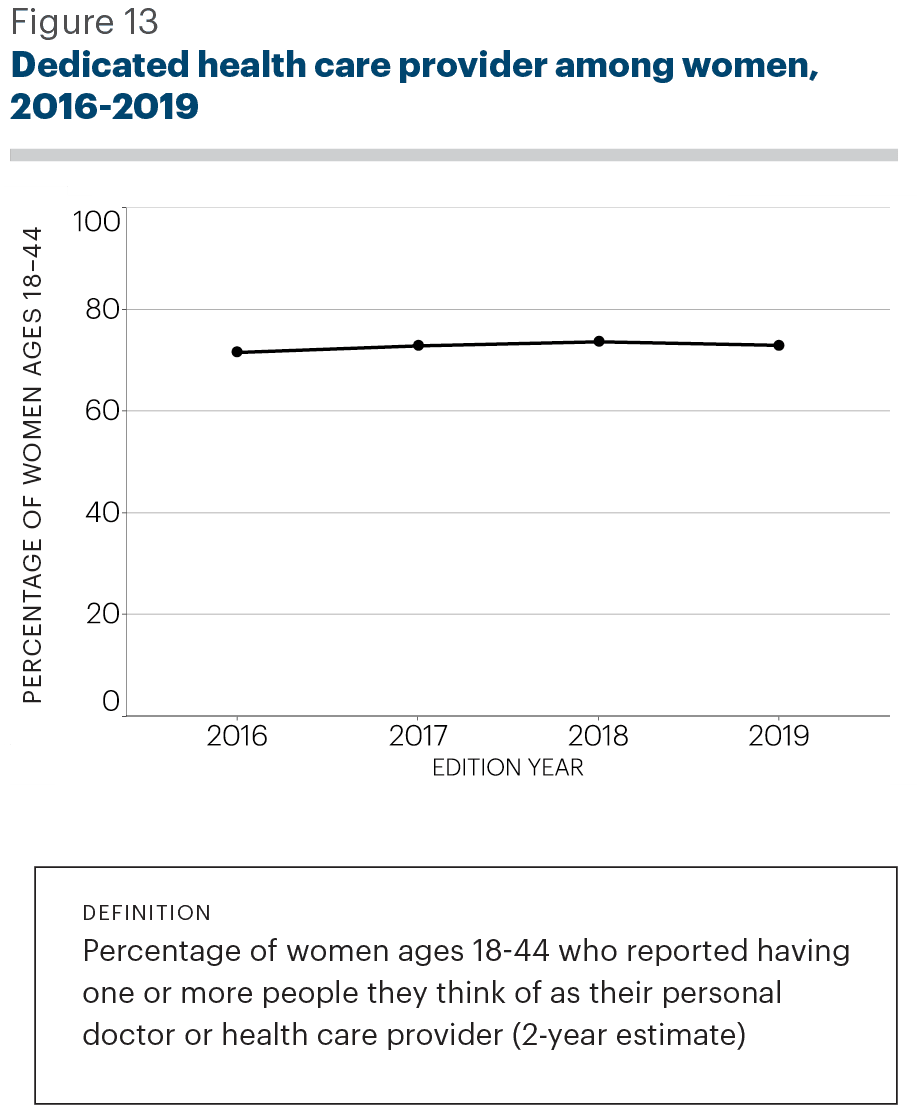
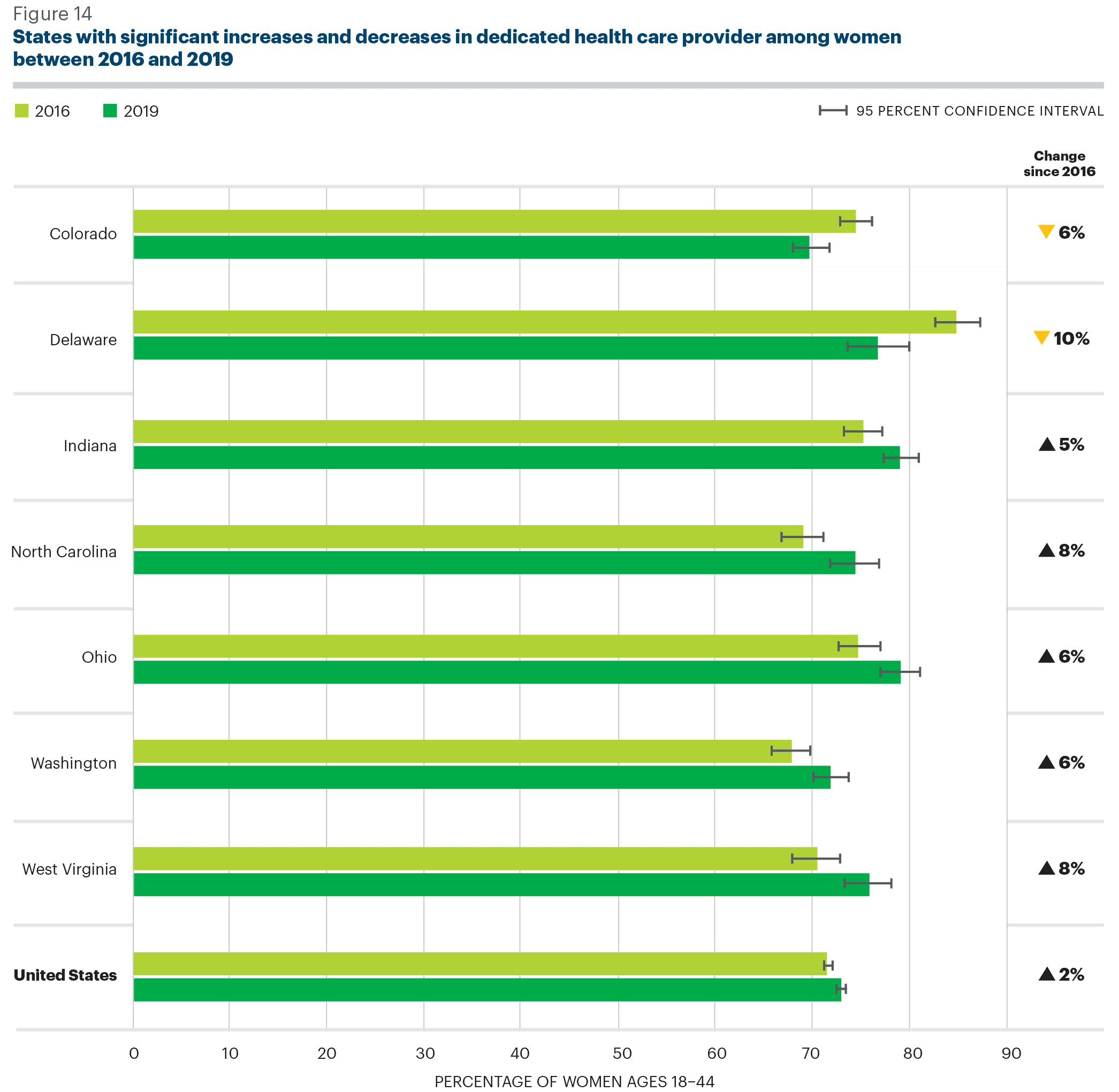
The percentage of women ages 18-44 with a dedicated health care provider increased 2 percent since 2016 from 71.6 percent to 73.0 percent (Figure 13), an increase of nearly 1.6 million women. Significant increases in the percentage of women who reported having a dedicated health care provider occurred in five states (Figure 14), while two states experienced significant decreases. The largest decreases occurred in North Carolina and West Virginia, both increasing 8 percent. Delaware had theeh largest decline, dropping 10 percent.
Disparities and geographic variation
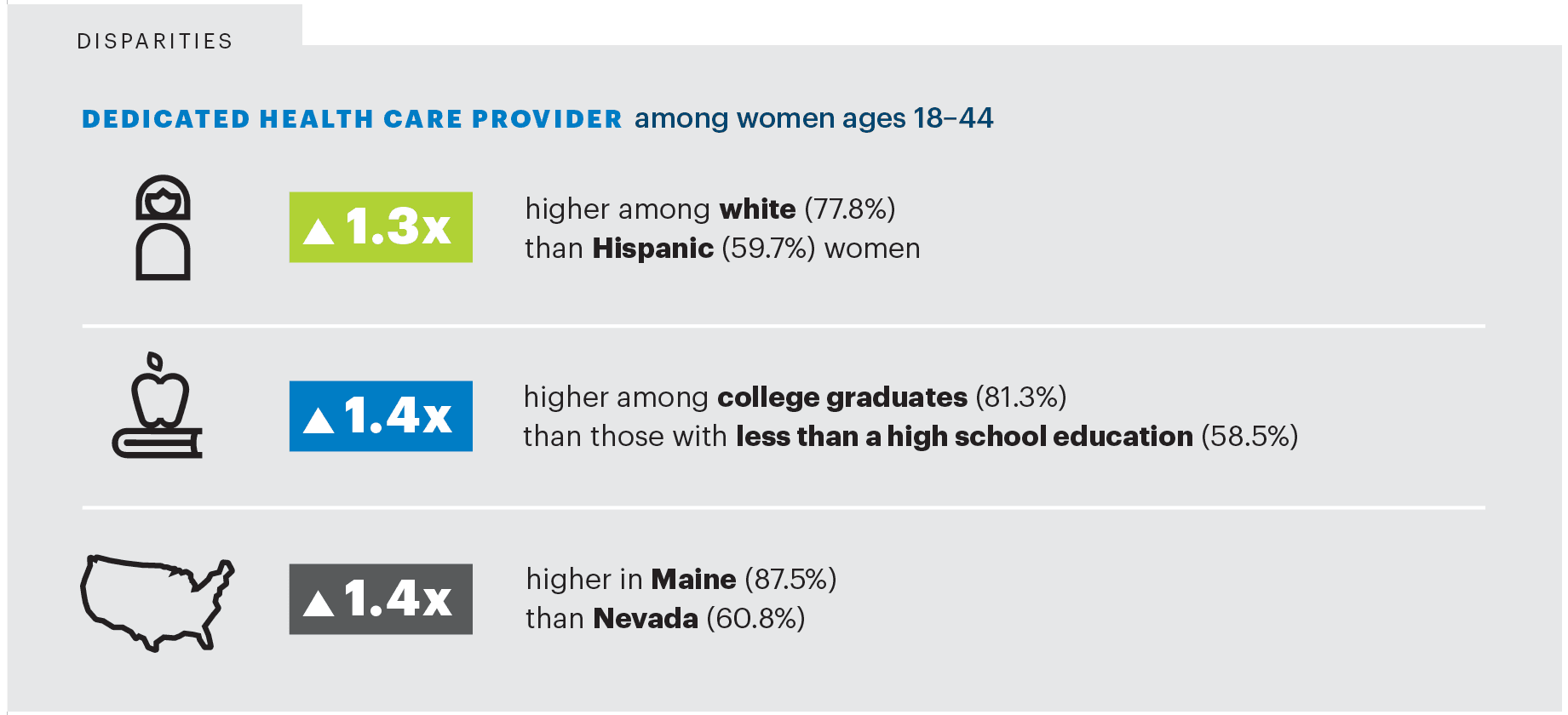
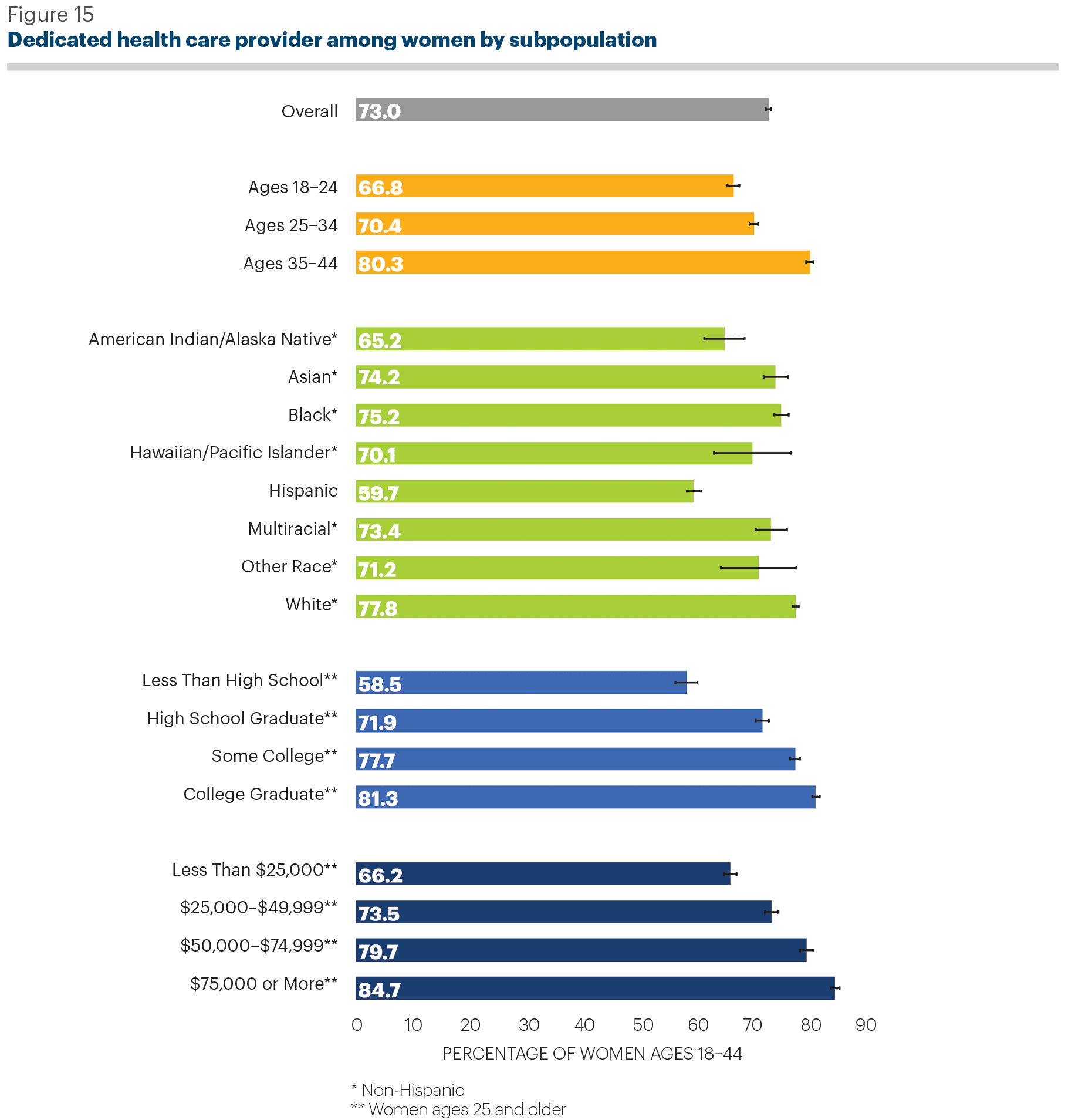
Disparities in the percentage of women with a dedicated health care provider are present by age group, race/ethnicity, education and income (Figure 15) as well as across states. The percentage of women ages 18-44 with a dedicated health care provider is 1.4 times higher among college graduates (81.3 percent) than those with less than a high school education (58.5 percent). This gap, however, has shrunk due to an 8 percent increase among women with less than a high school education (54.3 percent to 58.5 percent) since 2016.
Flu vaccination up among women, with widespread disparities
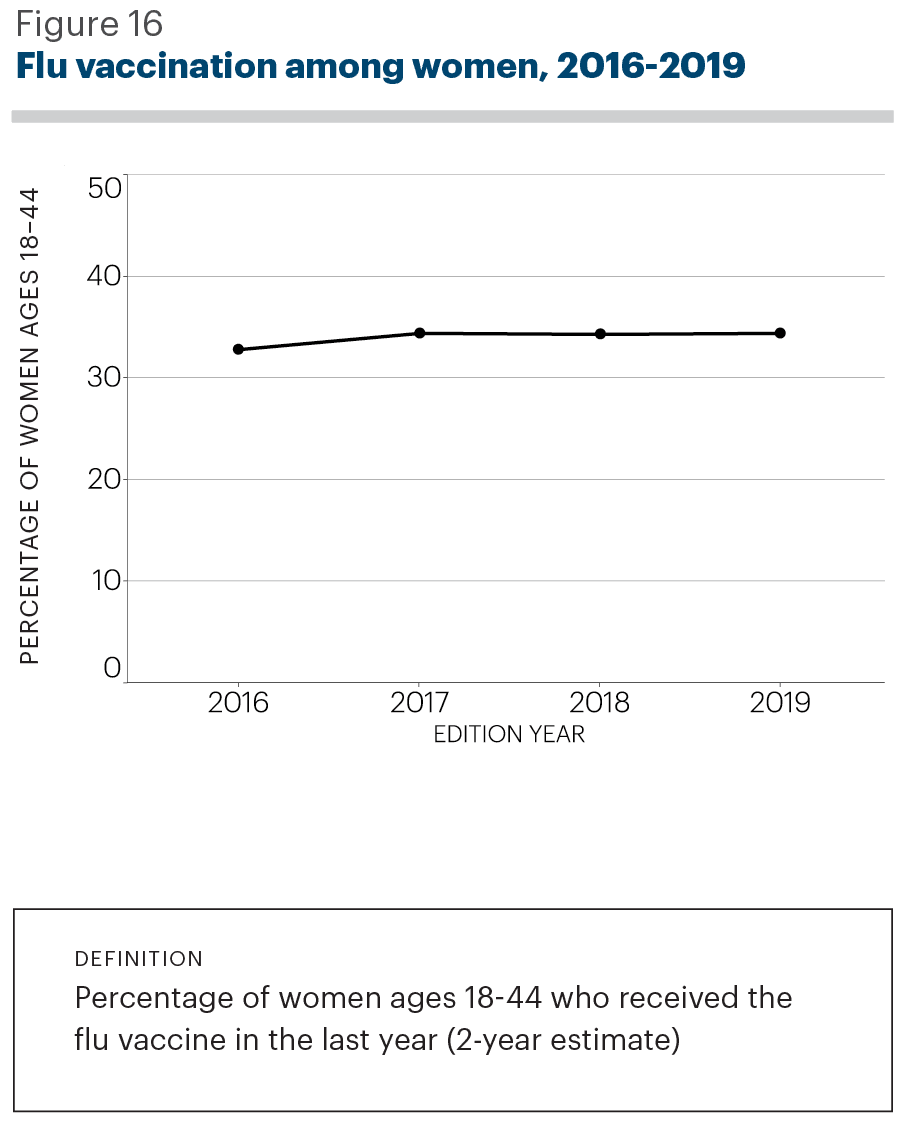
Flu vaccination coverage among women ages 18-44 increased 5 percent since 2016 from 32.8 percent to 34.4 percent (Figure 16), an increase of nearly 1.3 million women. Since 2016, flu vaccination coverage increased significantly in Florida from 20.7 percent to 27.4 percent and decreased significantly in Louisiana from 35.3 percent to 28.0 percent.
Disparities and geographic variation
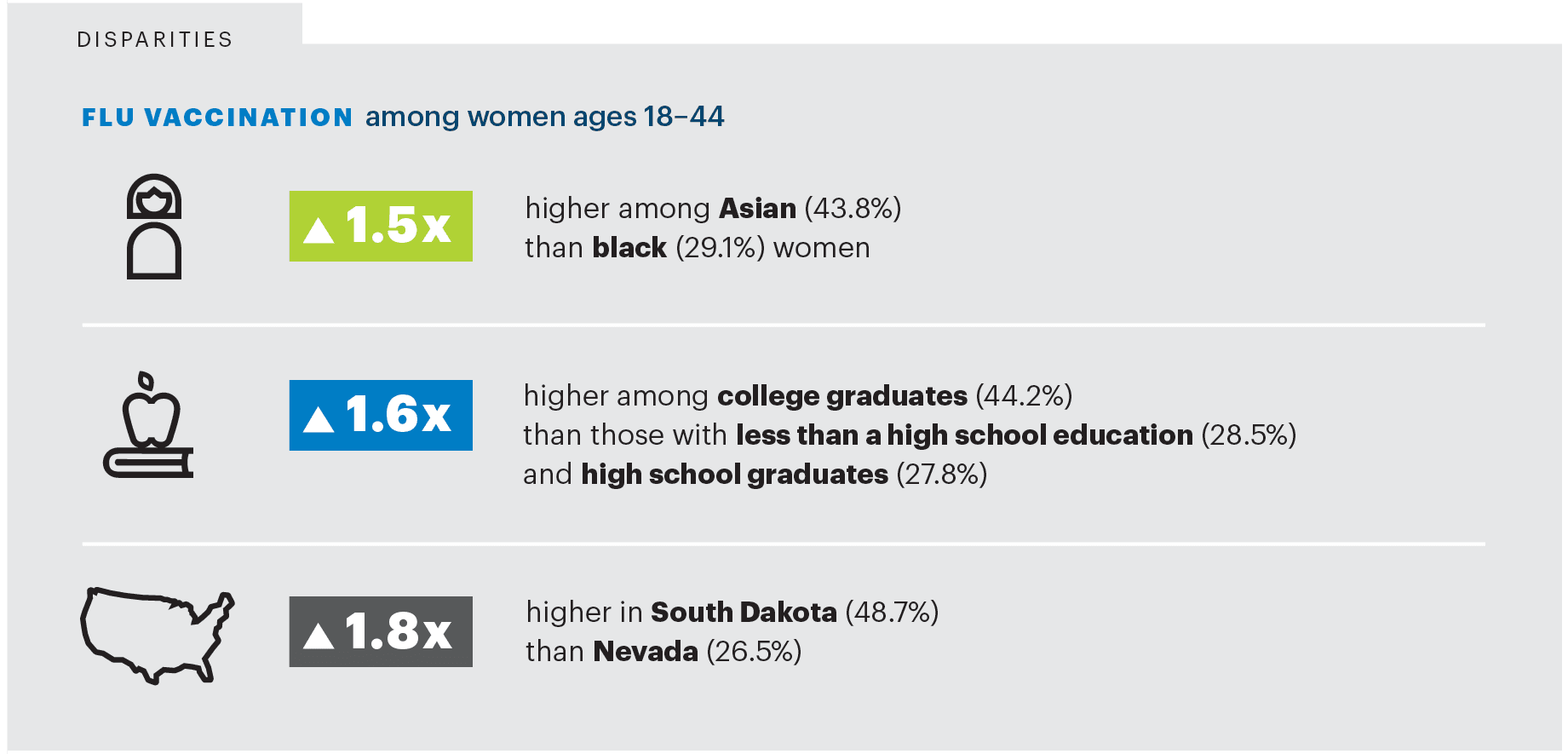
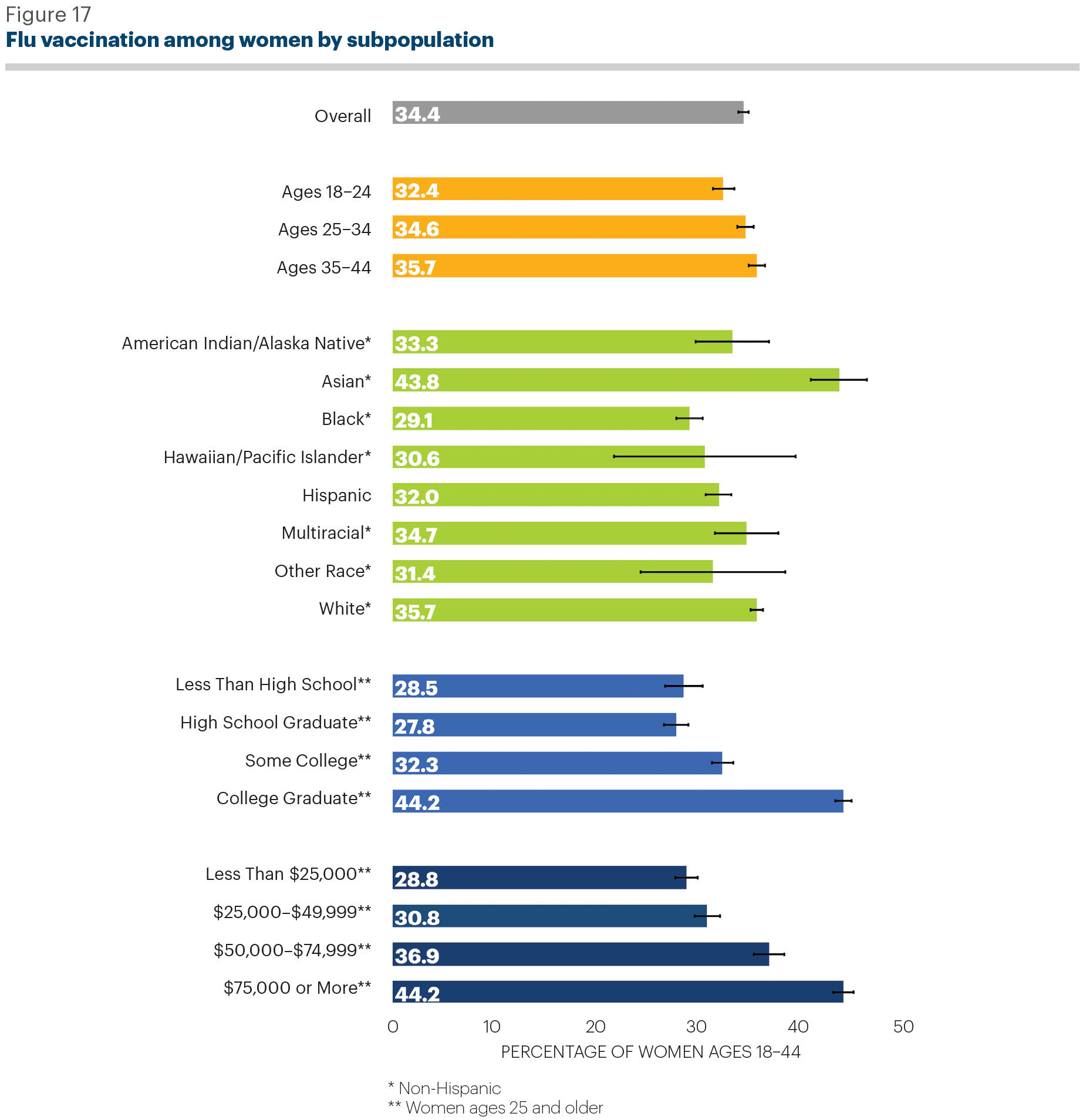
Disparities in flu vaccination among women ages 18-44 are present across age groups, race/ethnicity, education and income (Figure 17) and across states. Some groups have made significant improvements. Since 2016, flu vaccination has increased 12 percent among women ages 18-44 (28.9 percent to 32.4 percent) among women ages 18-24 and 10 percent among Hispanic women (29.1 percent to 32.0 percent).
HPV immunization up among teenage males, disparities across states and by race/ethnicity and poverty status
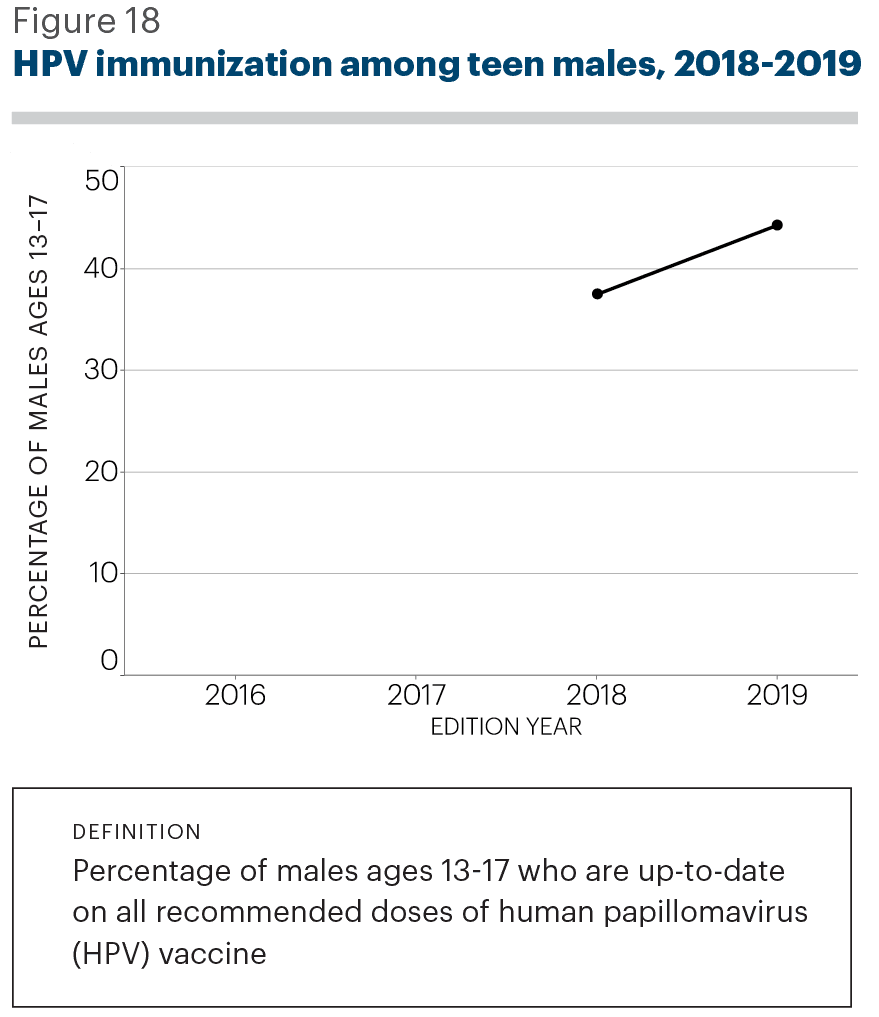
HPV immunization among males ages 13-17 increased 18 percent in the past year from 37.5 percent to 44.3 percent (Figure 18). Significant increases occurred in two states,Montana at 72 percent (27.9 percent to 48.1 percent) and Texas at 36 percent (26.5 percent to 36.0 percent). National male HPV immunization coverage is now within 10 percentage points of female coverage (53.1 percent).
Disparities and geographic variation
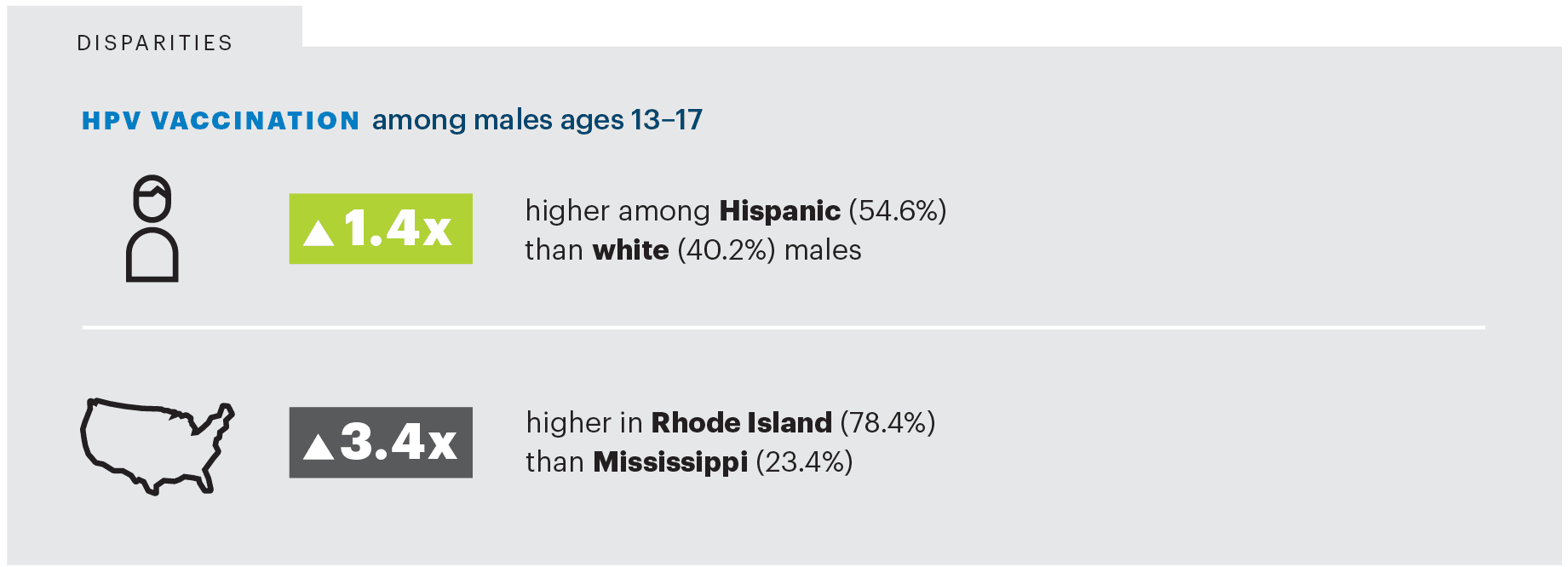
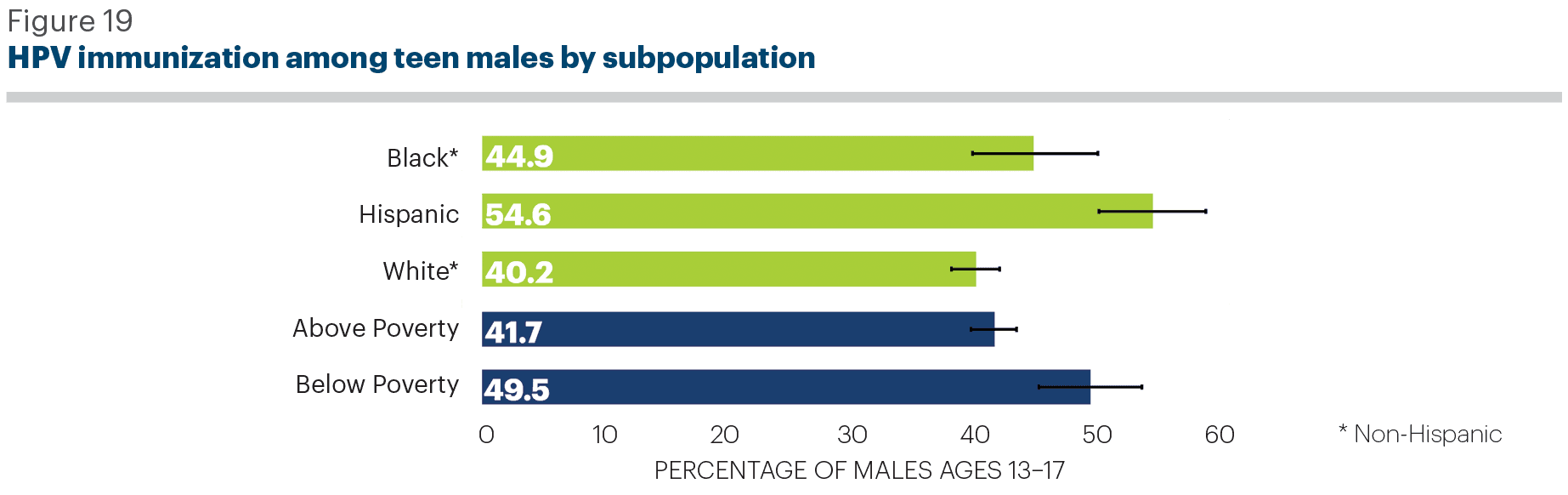
There are disparities in HPV immunization among males ages 13-17 across race/ethnicity, poverty status (Figure 19) and across states. A higher percentage of males living below poverty (49.5 percent) received recommended doses of HPV vaccine than those above poverty (41.7 percent).
Meningococcal immunization up among teens, with no differences by race/ethnicity or poverty status
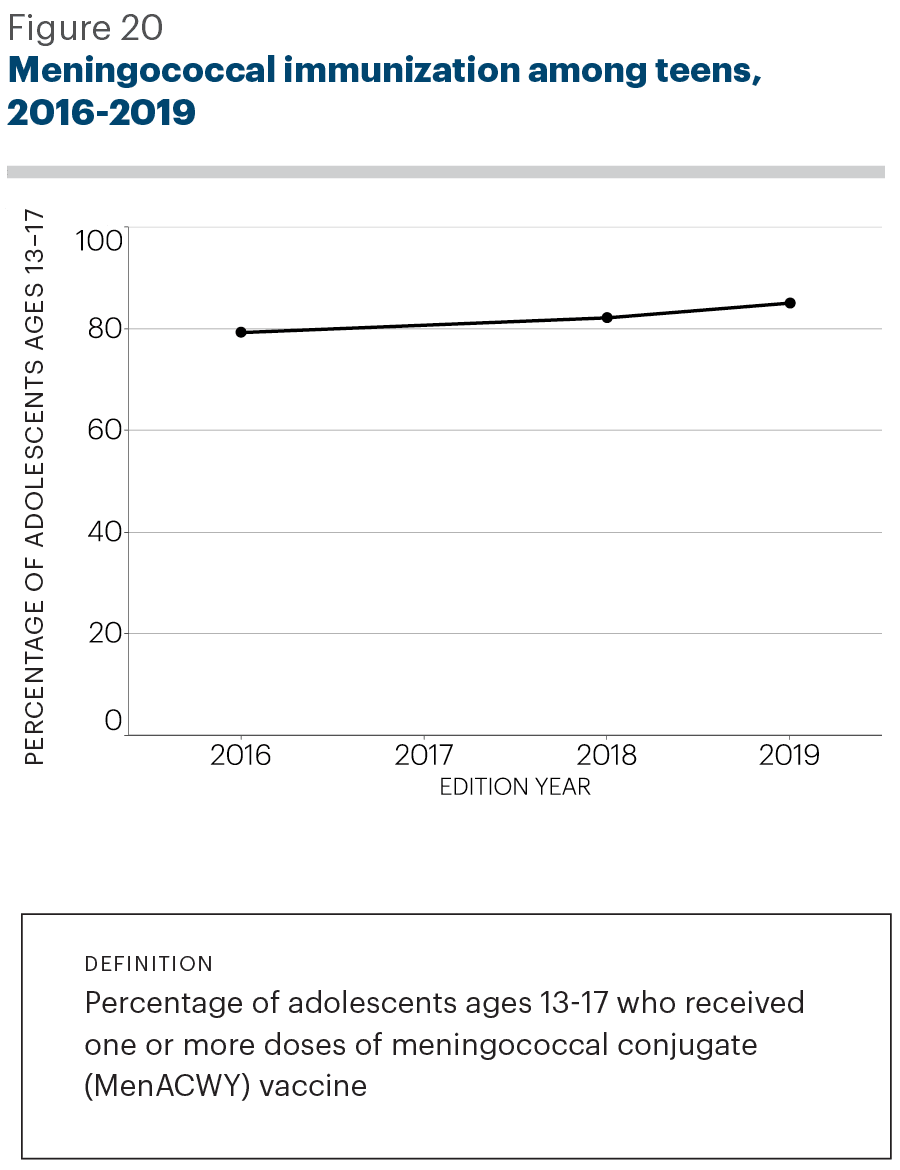
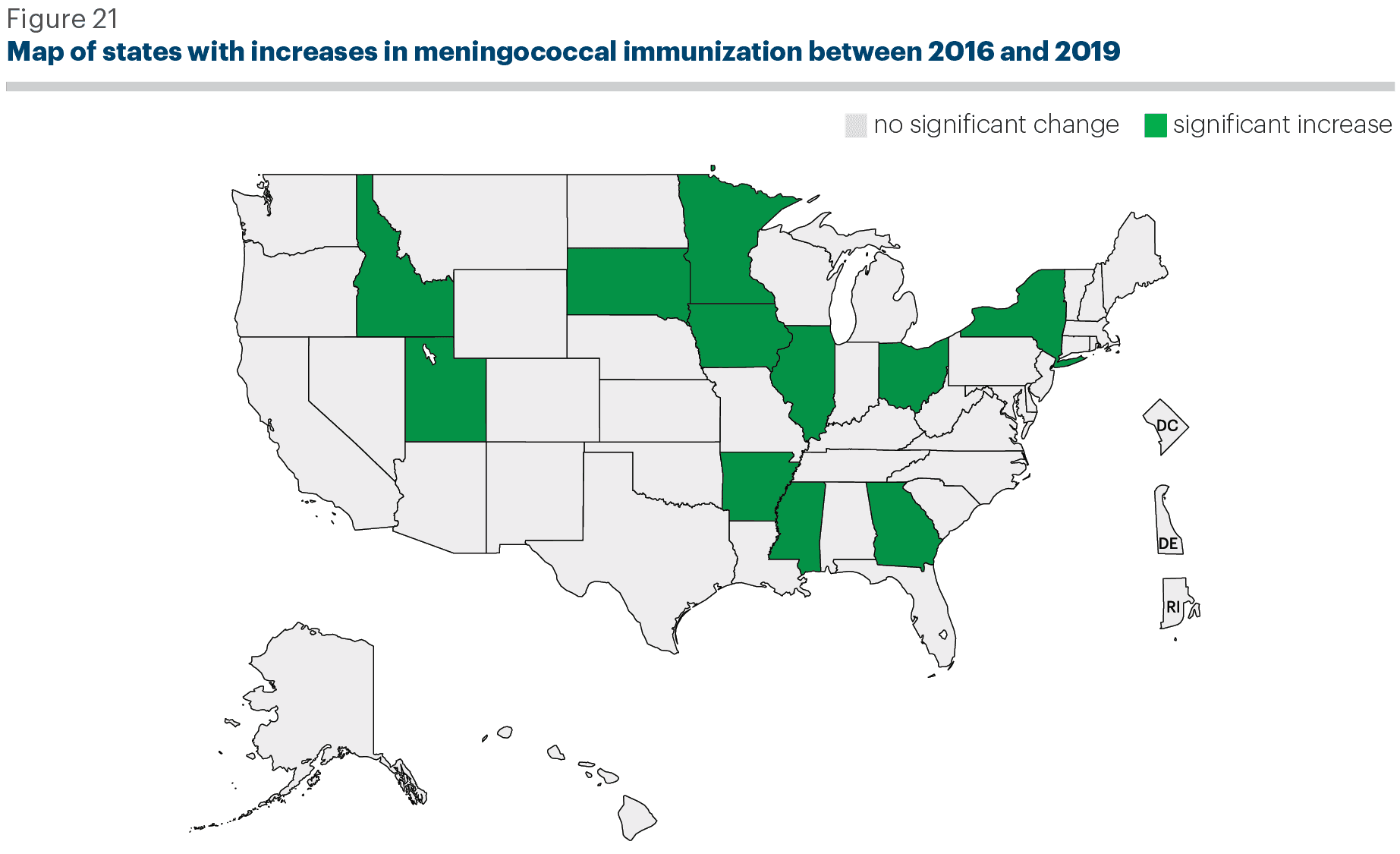
Meningococcal immunization coverage increased 7 percent since 2016 from 79.3 percent to 85.1 percent (Figure 20). Since 2016, significant increases occurred in 11 states shown in green in Figure 21.
Meningococcal disease is a potentially life-threatening illness caused by Neisseria meningitidis, the leading cause of bacterial meningitis in the nation. According to CDC, meningococcal disease is spread from person-to-person among those with close contact.
The CDC recommends this vaccine for all children ages 11 or 12, with a booster shot at age 16 to protect against the period of increased risk from ages 16-21.
Disparities and geographic variation
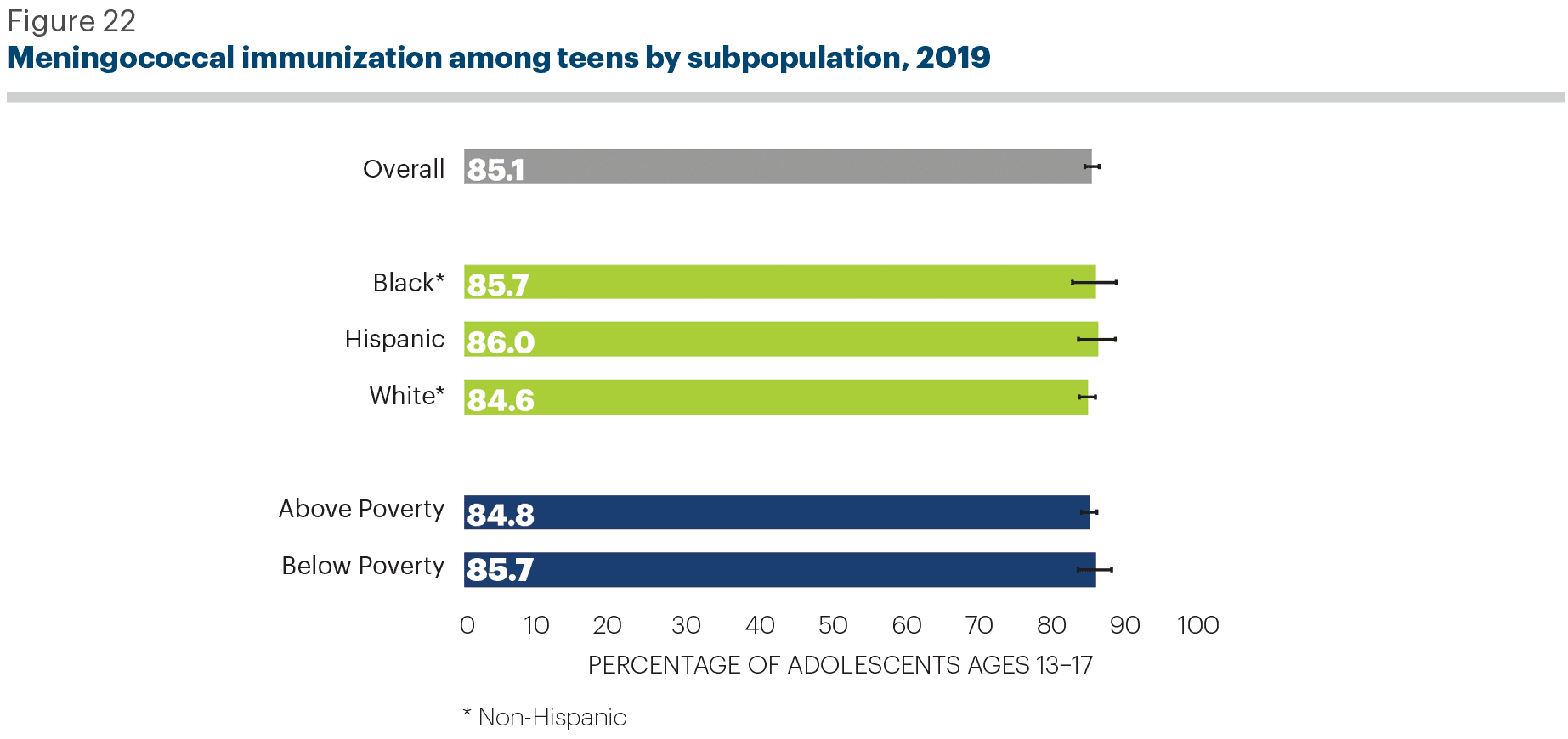
There are no significant differences by race/ethnicity or poverty status (Figure 22), although differences exist across states. In Georgia, 95.3 percent of teens received the meningococcal vaccine compared with 60.7 percent in Wyoming. Meningococcal immunization increased significantly among white teens in the past year, from 81.2 percent to 84.6 percent, as well as teens living above the poverty level, from 82.0 percent to 84.8 percent.
Teen births down, disparities across states
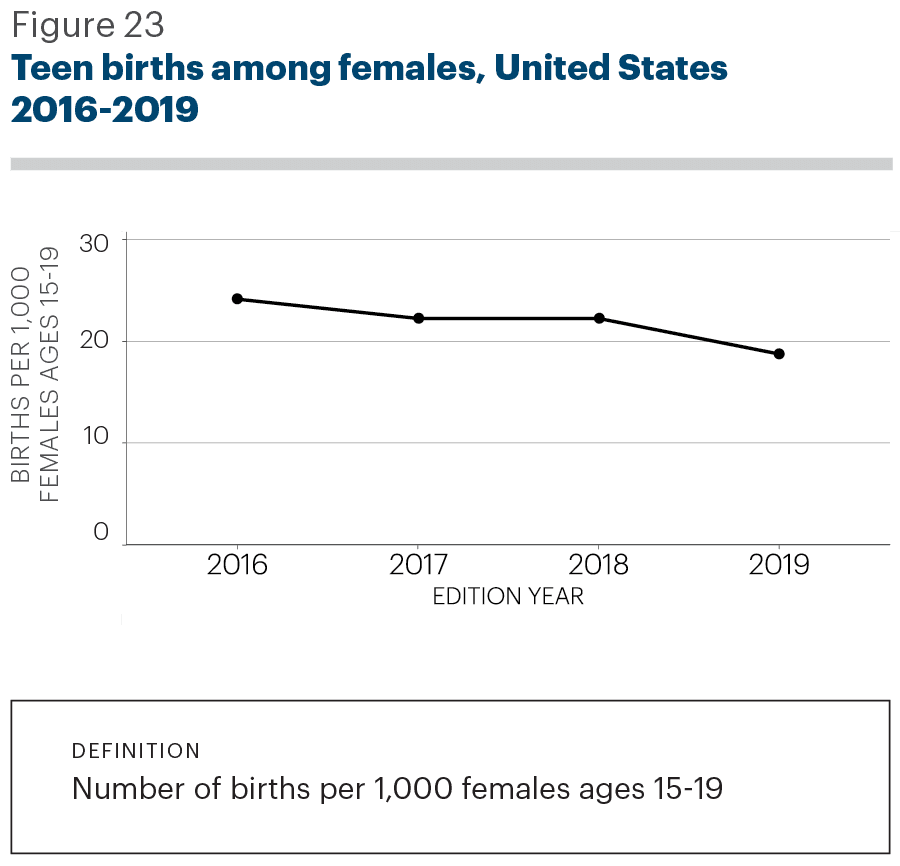
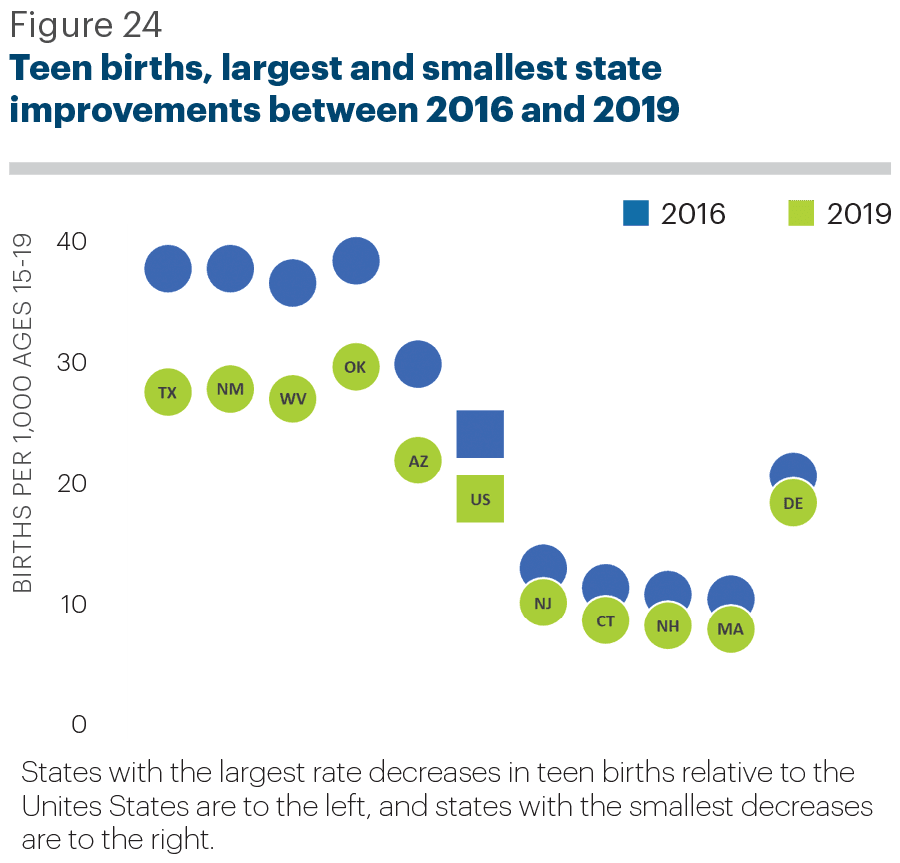
Teen births decreased 22 percent since 2016 from 24.2 to 18.8 births per 1,000 females ages 15-19 (Figure 23). Teen births have decreased in all states since 2016. Figure 24 shows the five states with the largest and smallest decreases. Texas had the largest drop from 37.8 to 27.6 births per 1,000 females, and Delaware had the smallest drop from 20.7 to 18.5 births per 1,000 females. States with large decreases had the highest rates. Despite improvements over the past three years, there is variation across states; teen births are 4.0 times higher in Arkansas (32.8 births per 1,000) than Massachusetts (8.1 births per 1,000).
According to Planned Parenthood, teenage mothers are more likely to experience maternal illness, miscarriage, stillbirth and neonatal death. Teen mothers are also significantly more likely to drop out of high school and face unemployment. Children born to teen mothers are more likely to have worse educational, behavioral and health outcomes than children born to older parents,
according to CDC.

 Alabama
 Alaska
 Arizona
 Arkansas
 California
 Colorado
 Connecticut
 Delaware
 District of Columbia
 Florida
 Georgia
 Hawaii
 Idaho
Idaho Illinois
 Indiana
 Iowa
Iowa Kansas
 Kentucky
 Louisiana
 Maine
Maine Maryland
 Massachusetts
 Michigan
 Minnesota
 Mississippi
 Missouri
 Montana
 Nebraska
 Nevada
 New Hampshire
 New Jersey
 New Mexico
 New York
 North Carolina
 North Dakota
 Ohio
Ohio Oklahoma
 Oregon
 Pennsylvania
 Rhode Island
 South Carolina
 South Dakota
 Tennessee
 Texas
Texas Utah
Utah Vermont
 Virginia
 Washington
 West Virginia
 Wisconsin
 Wyoming
 United StatesAppendixData Sources and Measures- WomenData Sources and Measures- InfantsData Sources and Measures- ChildrenData Sources and Measures- SupplementalThe Team