Heavy drug use and overdoses burden individuals, families, their communities, the health care system and the economy. Drug poisoning was the
most common cause of injury deaths in 2019.
Findings
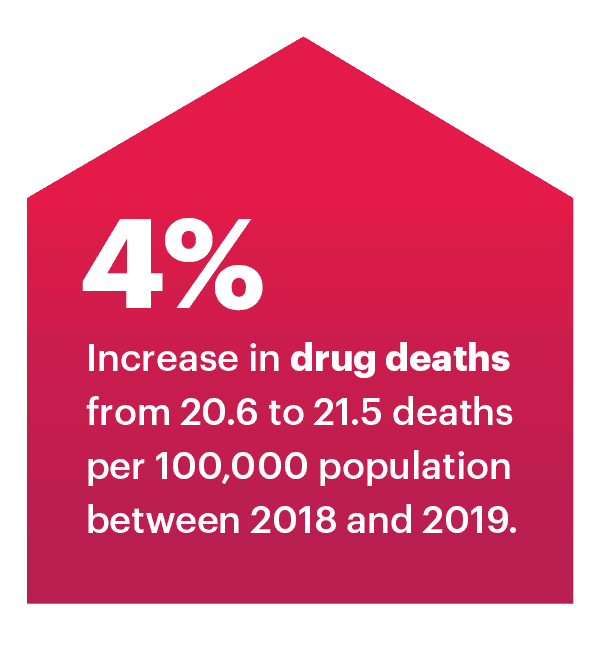
Deaths due to drug injury (unintentional, suicide, homicide or undetermined) in the U.S. significantly increased 4% from 20.6 to 21.5 deaths per 100,000 population between 2018 and 2019. This increase reversed a 5% decrease between 2017 and 2018. When considering long-term trends, however, drug deaths increased 79% between 2009 and 2019 (from 12.0). There were nearly twice as many drug deaths in the U.S. in 2019 (approximately 70,600) than in 2009 (approximately 37,000). Recently released
provisional data from the Centers for Disease Control and Prevention show that drug overdose deaths reached a record high of roughly 93,000 in 2020.
Drug deaths significantly increased in eight states between 2018 and 2019, led by 27% in
Mississippi (10.6 to 13.5), 23% in
Minnesota (11.5 to 14.2) and 16% in
California (13.5 to 15.7). Over the same period, drug deaths significantly decreased in one state: 8% in
Michigan (26.3 to 24.2).
Between 2009 and 2019, drug deaths significantly increased across all subpopulations. Between 2018 and 2019, drug deaths significantly increased:
- 15% among the Black (22.3 to 25.7) and Hispanic (11.1 to 12.8) populations.
- 11% among adults ages 65-74 (10.2 to 11.3), 7% among adults ages 55-64 (28.3 to 30.4), 6% among adults ages 35-44 (38.3 to 40.5) and 5% among adults ages 45-54 (35.3 to 36.9).
- 6% among males (27.7 to 29.4).
Disparities
In 2019, drug deaths significantly varied by race and ethnicity, age and gender. The rate was higher among:
Related findings
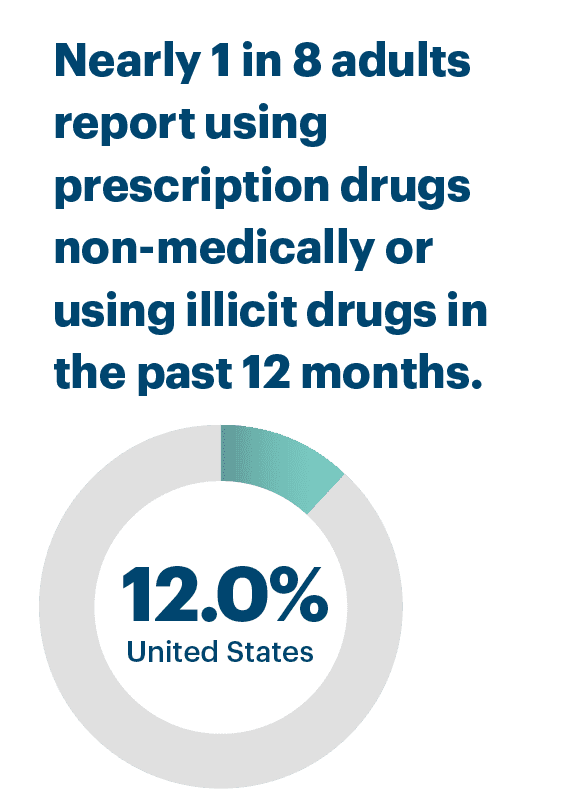
In 2021, the percentage of adults who reported using prescription drugs non-medically (including pain relievers, stimulants and sedatives) or illicit drugs (excluding cannabis) in the last 12 months was 12.0% nationally. Between 2020 and 2021, there were no significant changes in
non-medical drug use nationally or at the state level. In 2021, non-medical drug use was highest in the
District of Columbia (18.7%);
Oregon,
Oklahoma and
Nevada (all 17.2%); and both
Georgia and
Colorado (16.2%). It was lowest in
Vermont (4.7%),
North Dakota (7.1%) and
Massachusetts (7.3%).
Alcohol is the third-leading
preventable cause of death in the United States, behind tobacco and poor diet/physical inactivity.
Excessive drinking comes with short- and long-term
risks ranging from motor vehicle accidents to hypertension, heart disease, stroke and liver disease.
Findings
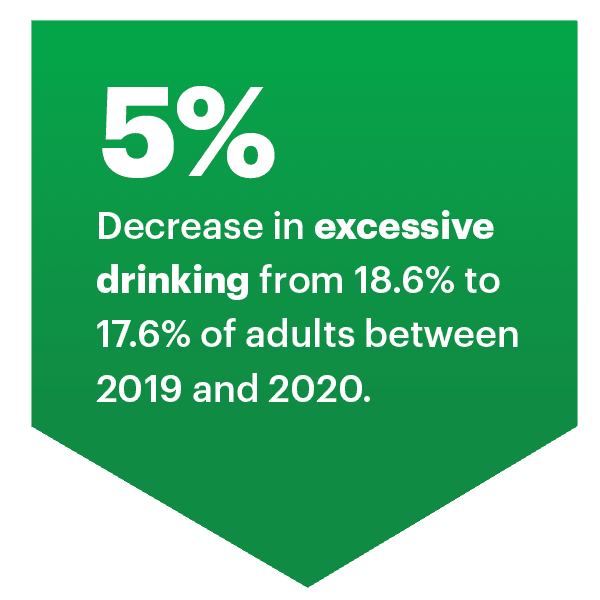
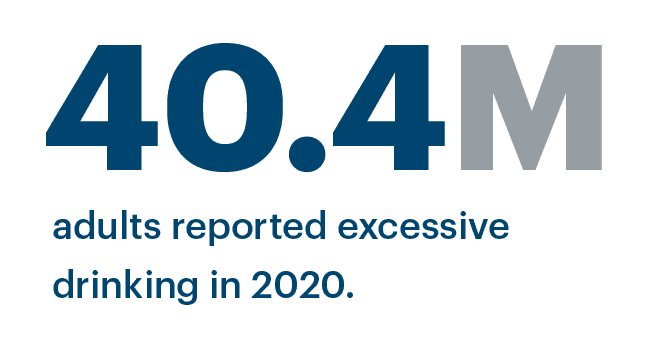
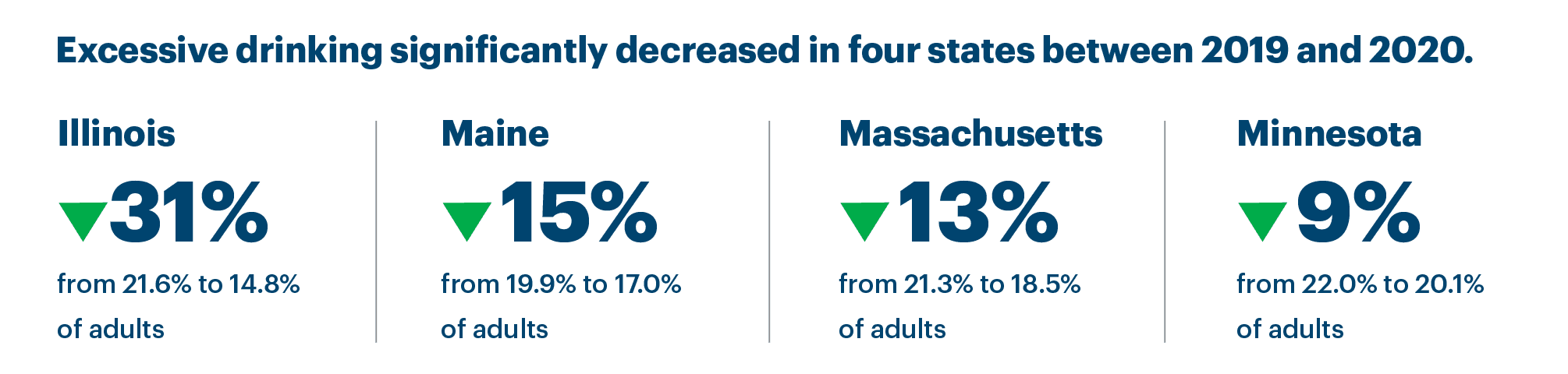
Nationally, the percentage of adults who reported binge drinking or heavy drinking decreased 5% from 18.6% to 17.6% between 2019 and 2020, equaling roughly 40.4 million adults in 2020. The rate hasn’t been this low since 2014. This change was likely driven by a 7% decrease in
binge drinking from 16.8% to 15.7% between 2019 and 2020, while
heavy drinking moved from 6.5% to 6.7% over the same period.
Between 2019 and 2020, excessive drinking significantly decreased:
- 34% among adults who identified their race as other (17.5% to 11.5%) and 4% among white adults (19.2% to 18.4%).
- 8% among adults ages 25 and older with some college education (18.0% to 16.6%) and 7% among college graduates (18.3% to 17.0%).
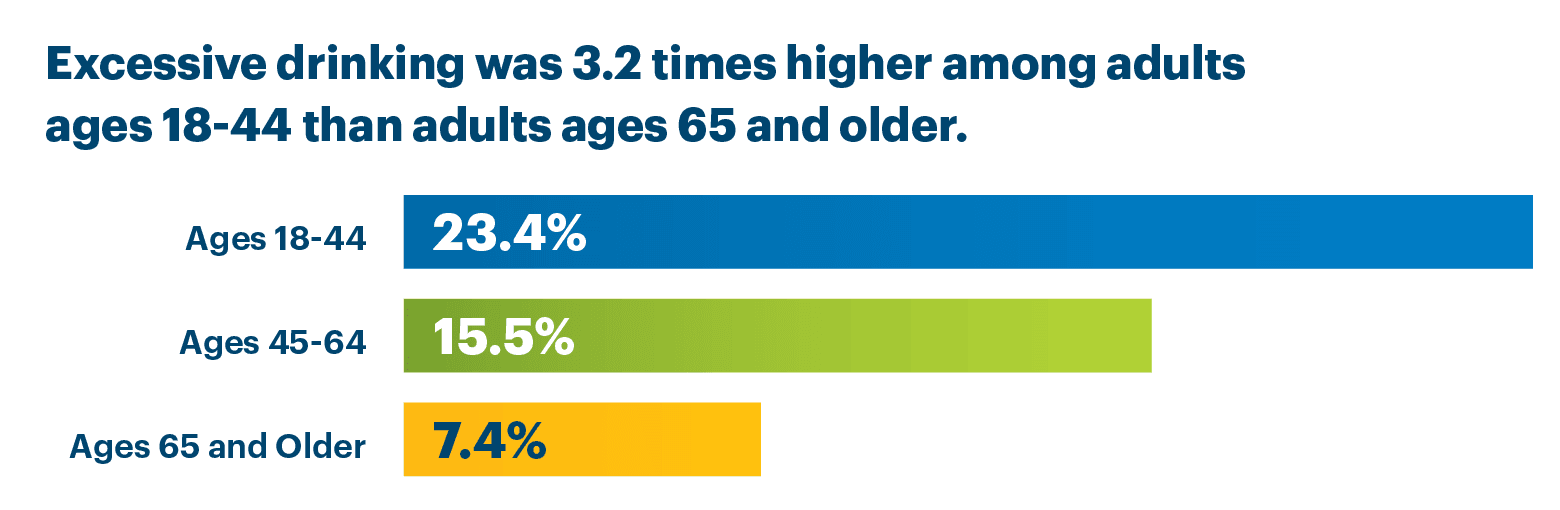
- 7% among adults ages 18-44 (25.2% to 23.4%).
- 6% among males (22.7% to 21.3%).
- 6% among adults ages 25 and older with an annual household income of $75,000 or more (22.6% to 21.3%).
Disparities
In 2020, excessive drinking varied the most by age and race and ethnicity, but also significantly varied by gender, income and education. The percentage was higher among:
Frequent mental distress is determined by self-reported
poor mental health days. The measure aims to capture the population experiencing persistent, and likely severe, mental health issues that may have a significant impact on health-related quality of life and overall wellness.
Findings
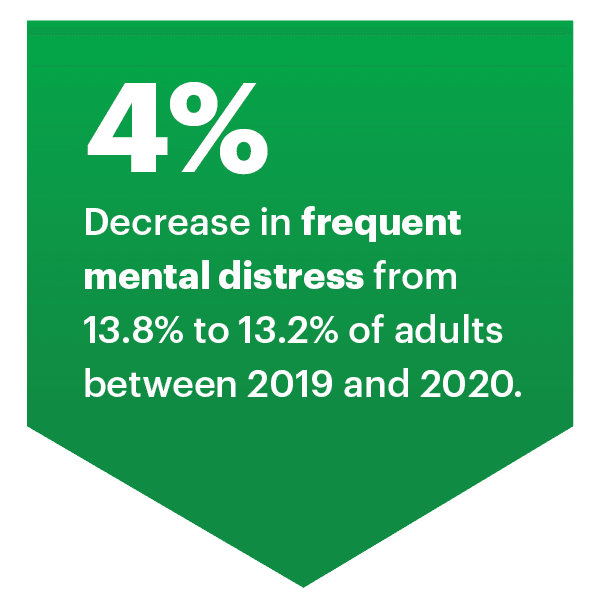
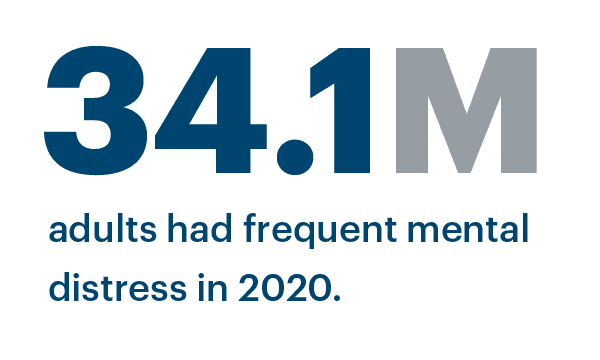
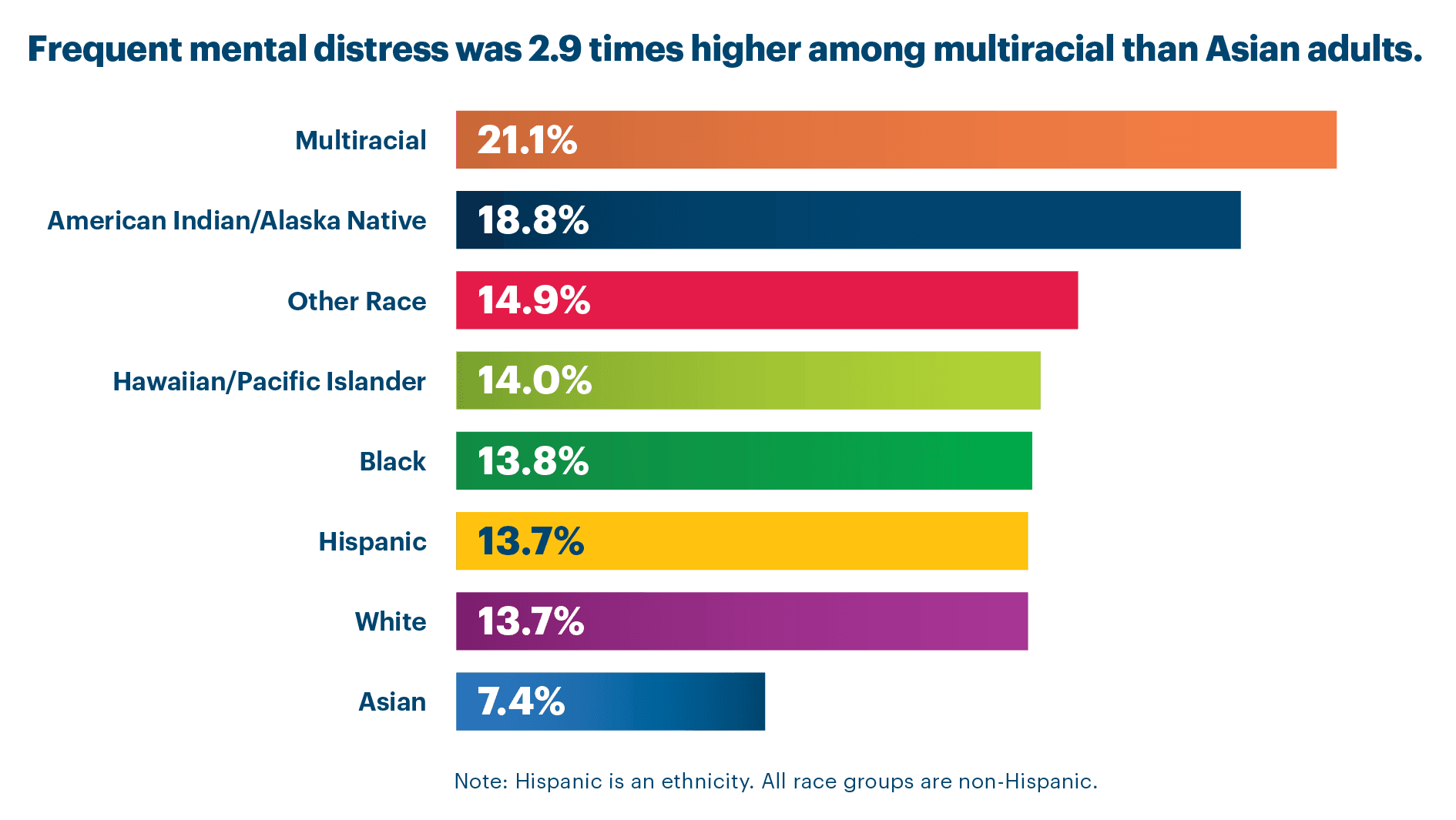
Nationally, the percentage of adults who reported their mental health was not good 14 or more days in the past 30 days decreased 4% from 13.8% to 13.2% between 2019 and 2020, affecting approximately 34.1 million adults in 2020. This recent decrease reversed a steady increase from 2014 to 2019.
Between 2019 and 2020, frequent mental distress significantly decreased 7% among adults ages 25 and older with a
high school degree (14.1% to 13.1%) and 6% among
males (11.6% to 10.9%). Over the same period, frequent mental distress significantly increased 19% among adults ages 25 and older with an annual household income of
$75,000 or more (7.5% to 8.9%) and 13% among adults ages 25 and older who
graduated from college (8.3% to 9.4%).
Disparities
In 2020, frequent mental distress varied most by race and ethnicity and income, but also significantly varied by age, education and gender. The percentage was higher among:
Related findings
Nationally, the percentage of adults who reported ever being told by a health professional that they have a depressive disorder (including depression, major depression, minor depression or dysthymia) decreased 2% from 19.9% to 19.5% between 2019 and 2020.
Depression significantly decreased in four states: 20% in
Illinois (18.3% to 14.7%), 17% in both
Idaho (22.7% to 18.9%) and
Florida (17.7% to 14.7%) and 14% in
Oregon (24.6% to 21.2%) between 2019 and 2020. Over the same period, depression significantly increased in one state: 23% in
Connecticut (14.4% to 17.7%). In 2020, depression was highest in
West Virginia (26.4%),
Kentucky (24.2%) and
Tennessee (24.1%); it was lowest in
Hawaii (12.7%),
California (14.1%),
Florida (14.7%) and
Illinois (14.7%).
Findings
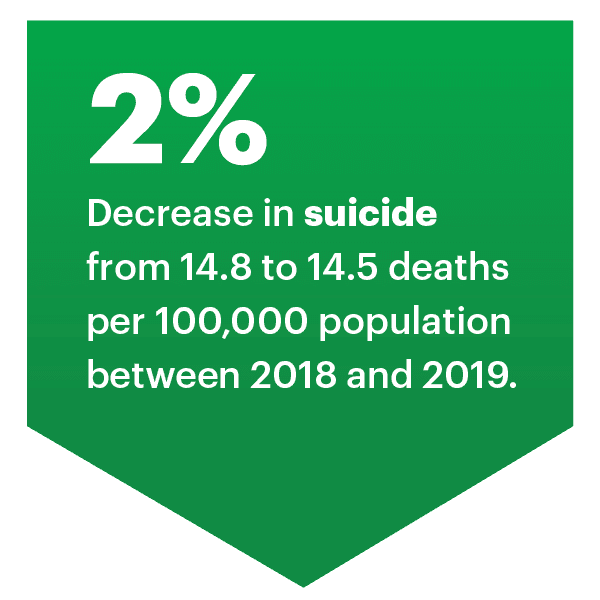
Deaths due to intentional self-harm significantly decreased 2% nationally from 14.8 to 14.5 deaths per 100,000 population between 2018 and 2019, returning to the same rate as 2017. This recent decrease follows a steady increase in the
suicide rate from 2009 (12.0) to 2018. There were more than 47,500 deaths by suicide in 2019, roughly 830 fewer than in 2018.
Despite the national decrease, no states experienced significant changes between 2018 and 2019.
Between 2018 and 2019, suicide significantly decreased 3% among the
white population from 18.6 to 18.1. There were no other significant changes by age, gender or race and ethnicity.
Disparities
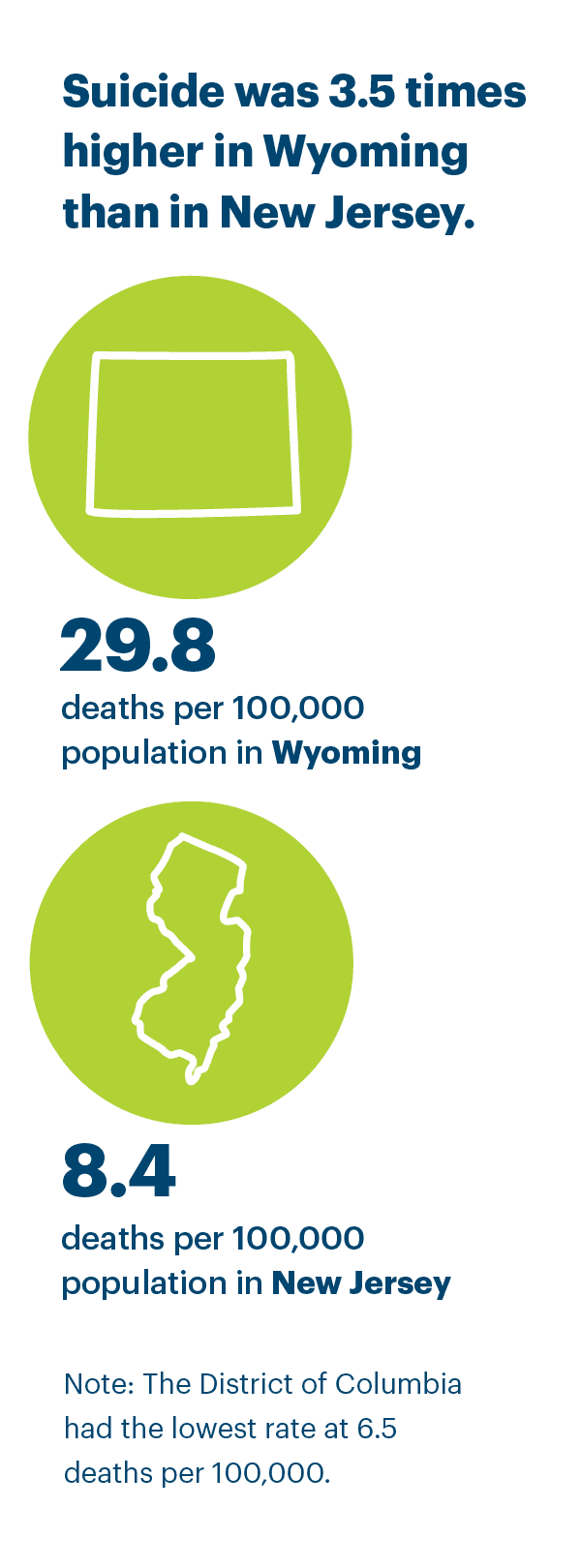
In 2019, suicide significantly varied by gender, race and ethnicity and age. The rate was higher among:
Findings
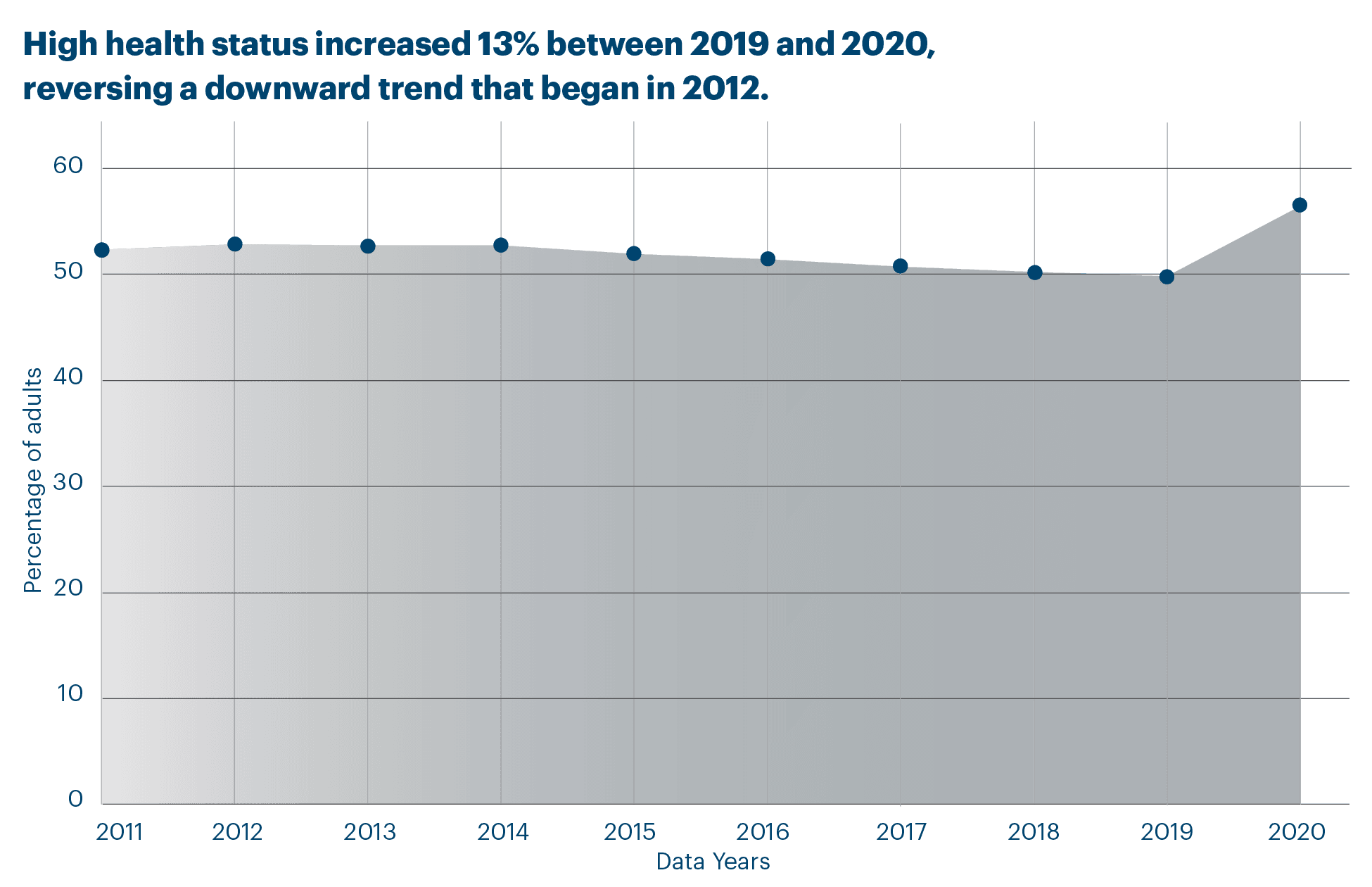
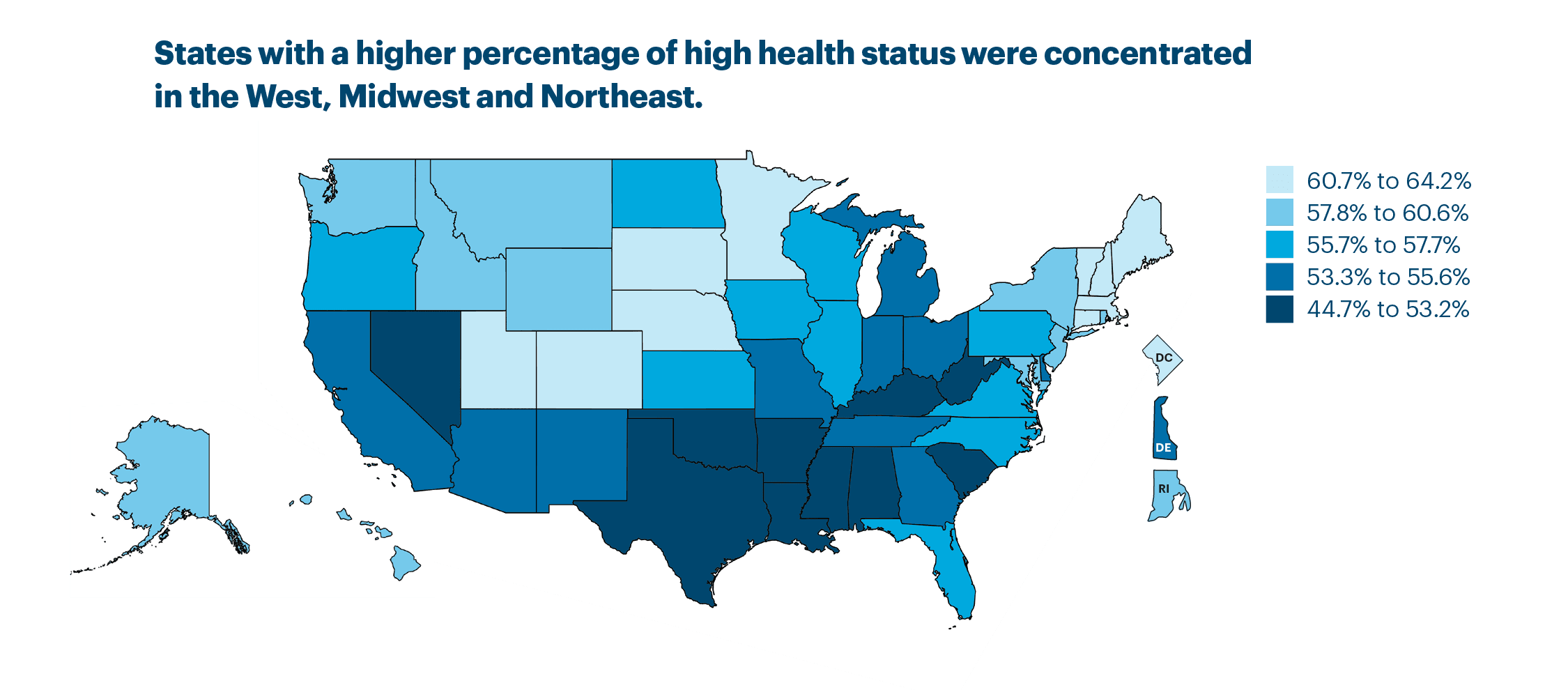
Nationally, the percentage of adults who reported their health was very good or excellent increased 13% from 49.7% to 56.3% between 2019 and 2020. This reversed a downward trend that began in 2012, when the percentage of adults reporting
high health status was 52.7%. States with the highest percentage of high health status were concentrated in the West, Midwest and Northeast. States with the lowest percentage of high health status were concentrated in the South and included Nevada.
High health status significantly increased in 46 states, led by 21% in
Hawaii (47.8% to 57.9%), 20% in
New Mexico (44.9% to 53.7%) and 19% in both
Maine (51.1% to 60.7%) and
South Dakota (51.9% to 61.6%) between 2019 and 2020.
Between 2019 and 2020, high health status significantly increased among all education levels, all racial and ethnic groups except adults who identified as other race, all income and age levels and both genders. By group, the largest increases were:
Disparities
In 2020, high health status varied most by education, income and age, but also significantly varied by race and ethnicity and gender. The percentage was higher among:
Related Findings
Nationally, the percentage of adults who reported their physical health was not good 14 or more days in the past 30 days decreased 21% from 12.5% to 9.9% between 2019 and 2020.
Frequent physical distress significantly decreased in 34 states, led by 35% in
Maine (14.0% to 9.1%), 31% in
Hawaii (10.6% to 7.3%) and 29% in
Virginia (11.7% to 8.3%) between 2019 and 2020. In 2020, frequent physical distress was highest in
West Virginia (15.8%),
Kentucky (15.2%) and
Arkansas (14.2%); it was lowest in the
District of Columbia (6.7%), both Hawaii and
Maryland (7.3%) and
Massachusetts (7.7%).
Multiple Chronic Conditions
Findings
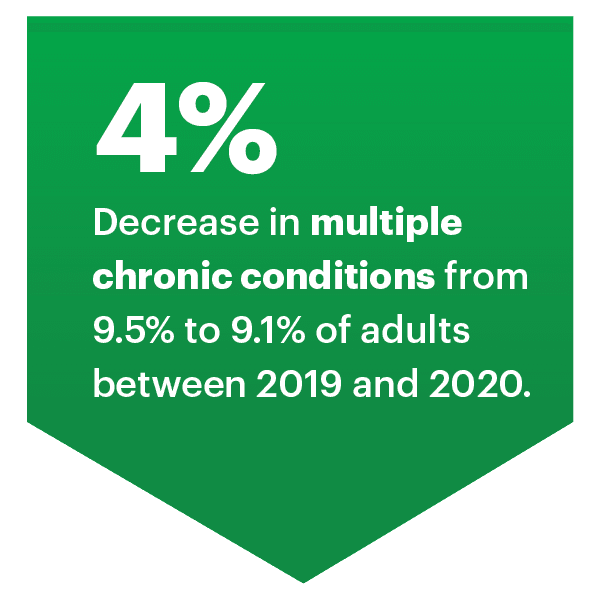
Nationally, the percentage of adults who had three or more of the eight chronic health conditions included in this measure decreased 4% from 9.5% to 9.1% between 2019 and 2020. This is the second year in a row
multiple chronic conditions decreased, dropping below the previous lowest rate from 2015 (9.4%), when
America’s Health Rankings first analyzed data for this measure.
Despite the national decrease, no states experienced significant changes between 2019 and 2020.
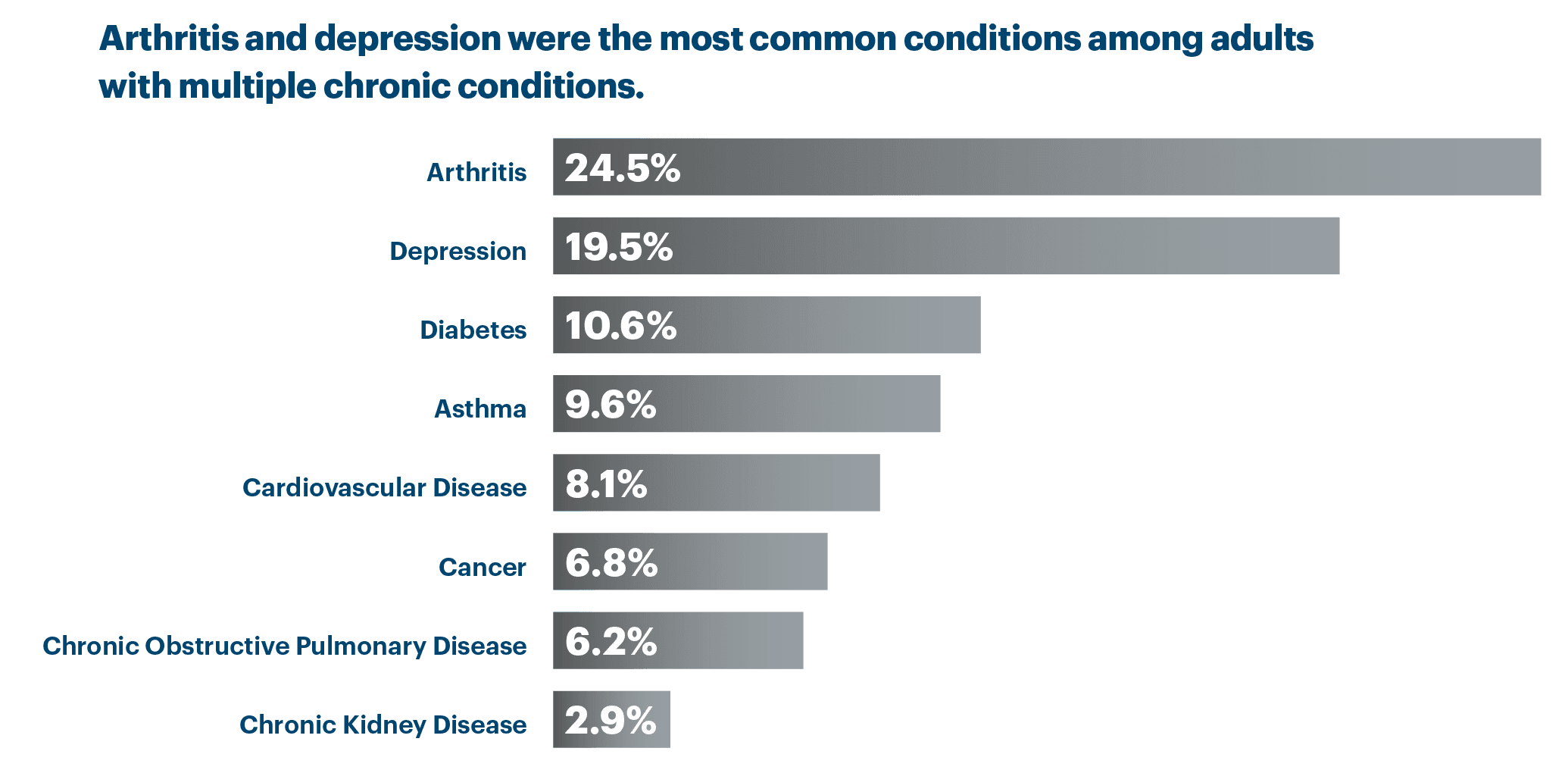
Nationally in 2020, the most prevalent conditions among adults with multiple chronic conditions were
arthritis and
depression. Between 2019 and 2020, the national prevalence decreased 7% for
cancer (7.3% to 6.8%), 5% for both arthritis (25.9% to 24.5%) and
chronic obstructive pulmonary disease (6.5% to 6.2%), 4% for
cardiovascular disease (8.4% to 8.1%), 2% for both depression (19.9% to 19.5%) and
diabetes (10.8% to 10.6%) and 1% for
asthma (9.7% to 9.6%). The prevalence for
chronic kidney disease did not change (2.9%). The recent drop in cancer prevalence followed a 9% increase between 2016 and 2019.
Disparities
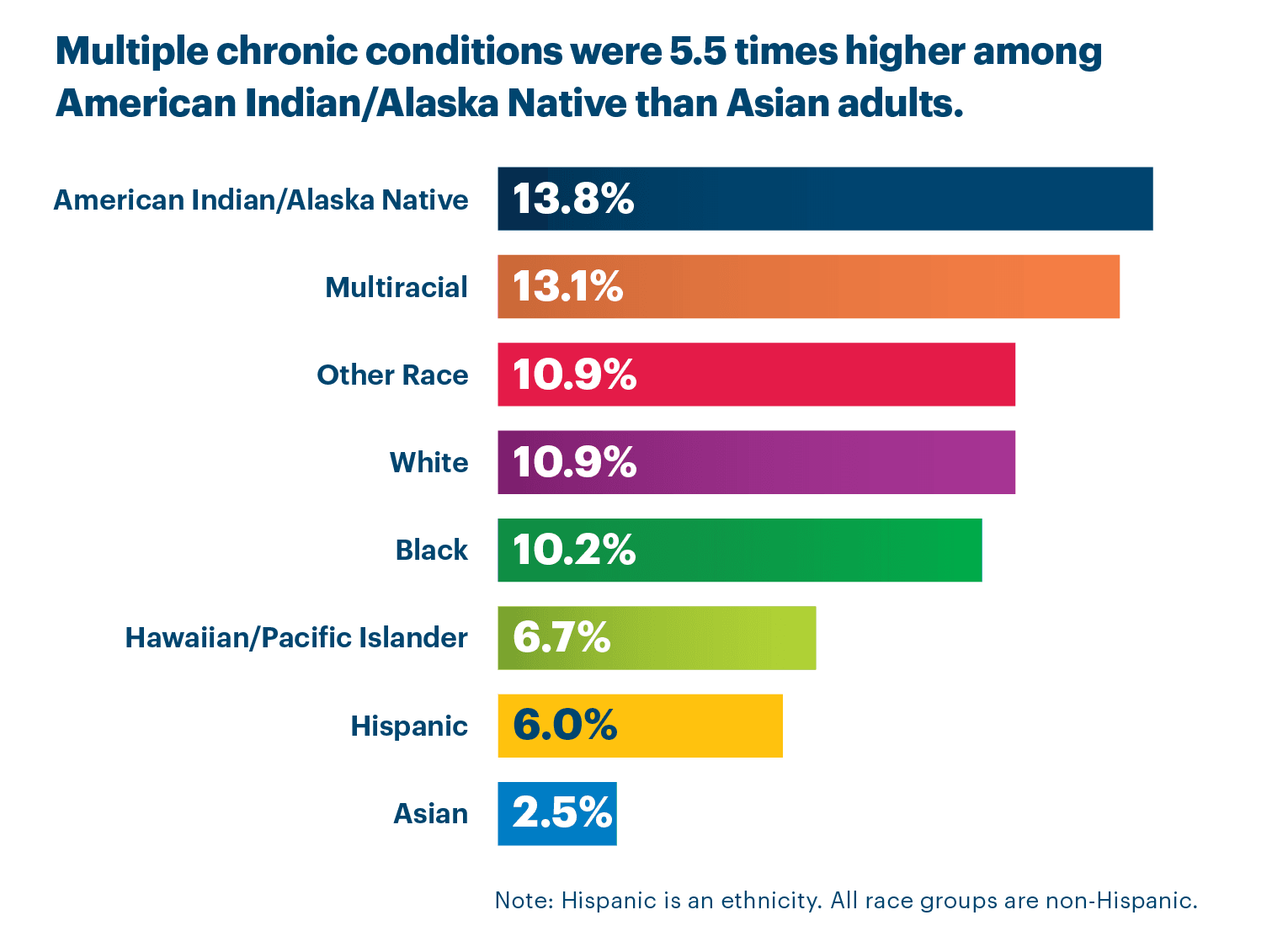
In 2020, multiple chronic conditions varied most by age and race and ethnicity, but also significantly varied by income, education and gender. The percentage was higher among:

 Alabama
 Alaska
 Arizona
 Arkansas
 California
 Colorado
 Connecticut
 Delaware
 District of Columbia
 Florida
 Georgia
 Hawaii
 Idaho
Idaho Illinois
 Indiana
 Iowa
Iowa Kansas
 Kentucky
 Louisiana
 Maine
Maine Maryland
 Massachusetts
 Michigan
 Minnesota
 Mississippi
 Missouri
 Montana
 Nebraska
 Nevada
 New Hampshire
 New Jersey
 New Mexico
 New York
 North Carolina
 North Dakota
 Ohio
Ohio Oklahoma
 Oregon
 Pennsylvania
 Rhode Island
 South Carolina
 South Dakota
 Tennessee
 Texas
Texas Utah
Utah Vermont
 Virginia
 Washington
 West Virginia
 Wisconsin
 Wyoming
 US SummaryAppendixMeasures TableData Source DescriptionsThe Team