We appreciate you taking the time to help America’s Health Rankings better understand our audiences. Your feedback will allow us to optimize our website and provide you with additional resources in the future. Thank you.
Please select one option which best describes your profession or field of expertise
Journalist or media professional
Health Policy Professional
Public health professional (state, local, or community level)
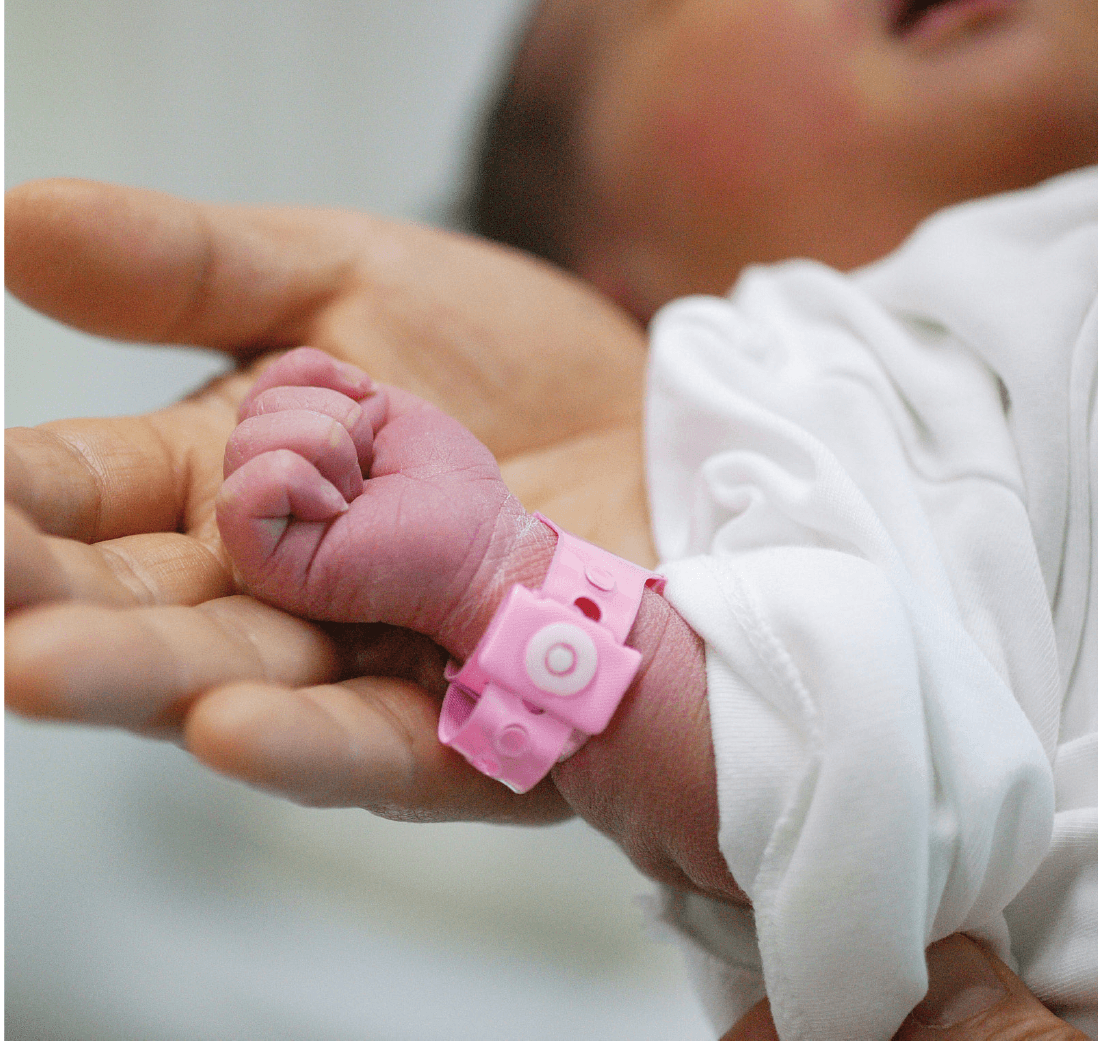
Low birthweight (LBW)—1 of the 3 leading causes of US infant mortality—indicates current and future child health as well as maternal health. Compared with babies of normal weight, very LBW babies are more likely to have health problems such as respiratory distress syndrome, brain bleeding, patent ductus arteriosus, or necrotizing enterocolitis. Adults who were LBW babies may be at greater risk for such health conditions as diabetes and heart disease. LBW commonly occurs because of preterm birth or fetal growth restriction and is associated with such maternal behaviors as smoking, alcohol and drug use, poor nutrition, and weight gain.
“About 1 in 3 children born prematurely needs special school services at some point during their school years. The Institute of Medicine says these services cost an estimated $2,200 per year per child.” —March of Dimes
Primary Care Physicians
Primary care physicians, an indicator of availability of health care providers, offer direct patient care and counsel patients on the appropriate use of specialists and advanced treatment options. Primary care physicians are typically the first point of contact with the health care system for patients and provide critical preventive care, ongoing care, and referrals to specialists. Primary care physician availability has a documented influence on health; more primary care physicians have been linked to better health outcomes including lower rates of low birthweight, lower all-cause mortality, and longer life spans.
Oral health is a vital part of overall health and a window into a patient’s general health. Many underlying conditions such as nutritional deficiencies, microbial infections, and immune disorders have oral manifestations that dentists identify in oral examinations. Periodontal disease is associated with diabetes, cardiovascular disease, and adverse pregnancy outcomes. Nearly one-third of US adults have untreated tooth decay, and despite steady growth in working dentists, the Health Resources and Services Administration projects the dentist shortage will continue to grow as baby boomers retire. The most significant US oral health care disparities exist in rural communities.
Accessible and effective preventive care can reduce hospitalizations for many preventable infectious diseases, asthma attacks, diabetes, and hypertension. Preventable hospitalizations reflect the efficiency of a population’s use of primary care and the quality of the primary health care received. Preventable hospitalizations are more common among the uninsured and often occur because of failure to treat conditions early in an outpatient setting. High rates of preventable hospital admissions can indicate problems with a population’s access to primary health care and deficiencies in the quality of outpatient care. They burden the health care system financially, with $30.8 billion attributed to preventable hospitalizations in 2006.

 Alabama
 Alaska
 Arizona
 Arkansas
 California
 Colorado
 Connecticut
 Delaware
 Florida
 Georgia
 Hawaii
 Idaho
Idaho Illinois
 Indiana
 Iowa
Iowa Kansas
 Kentucky
 Louisiana
 Maine
Maine Maryland
 Massachusetts
 Michigan
 Minnesota
 Mississippi
 Missouri
 Montana
 Nebraska
 Nevada
 New Hampshire
 New Jersey
 New Mexico
 New York
 North Carolina
 North Dakota
 Ohio
Ohio Oklahoma
 Oregon
 Pennsylvania
 Rhode Island
 South Carolina
 South Dakota
 Tennessee
 Texas
Texas Utah
Utah Vermont
 Virginia
 Washington
 West Virginia
 Wisconsin
 Wyoming
 District of Columbia
 US SummaryAppendixDescription of Core MeasuresDescription of Supplemental MeasuresMethodologyModel DevelopmentScientific Advisory CommitteeThe TeamAcknowledgementsConclusion