We appreciate you taking the time to help America’s Health Rankings better understand our audiences. Your feedback will allow us to optimize our website and provide you with additional resources in the future. Thank you.
Please select one option which best describes your profession or field of expertise
Journalist or media professional
Health Policy Professional
Public health professional (state, local, or community level)
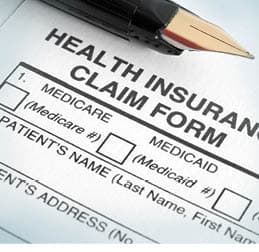
Individuals without health insurance have more difficulty accessing the health care system, are often unable to participate in preventive care programs, and have more unmet health needs than those with health insurance. Unmet health needs may develop into more serious conditions requiring more costly treatments. Lack of health insurance often leads to emergency department visits that can be 10 times more costly than treatment in a clinic. The unmet health needs of the uninsured contribute to a 25% greater risk of mortality compared with those who have health insurance; this accounts for an estimated 18,000 excess deaths annually.
Public health funding allows states to proactively implement preventive and education programs that improve health. Public health program spending represents only a small fraction of all health care spending, yet its impact can be substantial. Increased spending on public health programs is associated with a decrease in mortality from preventable causes of death. Research shows investing $10 per person per year in community-based programs proven to increase physical activity, improve nutrition, and prevent smoking or other tobacco use could save the country more than $16 billion annually within 5 years. This is a return of $5.60 for every $1 invested.
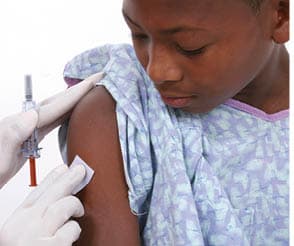
Early childhood immunization is a safe and cost-effective means of controlling diseases. Infants receiving recommended immunizations by age 2 are protected from 14 diseases. Routine childhood immunizations save an estimated $10 billion in direct medical costs. Health insurance plans are required to cover immunizations, and for those without insurance, there are programs that provide free vaccines for eligible children. Vaccinations have led to a 95% decrease in vaccine-preventable diseases in the last 50 years. The CDC included vaccines in the 10 greatest public health achievements of the 20th century.
As children age, protection from some childhood vaccines begins to diminish, putting school-aged children at risk for diseases like pertussis. A TDaP booster at age 11 or 12 is needed to maintain protection against tetanus, diphtheria, and pertussis. The booster also protects those who come in contact with school-aged children, most importantly infants and the elderly. Additional vaccines protect against new diseases older children may come in contact with as children or as adults. This includes meningococcal conjugate vaccine (MCV4) that protects against meningococcal disease and HPV vaccination that protects against cervical, genital, and oropharyngeal cancers.

 Alabama
 Alaska
 Arizona
 Arkansas
 California
 Colorado
 Connecticut
 Delaware
 Florida
 Georgia
 Hawaii
 Idaho
Idaho Illinois
 Indiana
 Iowa
Iowa Kansas
 Kentucky
 Louisiana
 Maine
Maine Maryland
 Massachusetts
 Michigan
 Minnesota
 Mississippi
 Missouri
 Montana
 Nebraska
 Nevada
 New Hampshire
 New Jersey
 New Mexico
 New York
 North Carolina
 North Dakota
 Ohio
Ohio Oklahoma
 Oregon
 Pennsylvania
 Rhode Island
 South Carolina
 South Dakota
 Tennessee
 Texas
Texas Utah
Utah Vermont
 Virginia
 Washington
 West Virginia
 Wisconsin
 Wyoming
 District of Columbia
 US SummaryAppendixDescription of Core MeasuresDescription of Supplemental MeasuresMethodologyModel DevelopmentScientific Advisory CommitteeThe TeamAcknowledgementsConclusion