We appreciate you taking the time to help America’s Health Rankings better understand our audiences. Your feedback will allow us to optimize our website and provide you with additional resources in the future. Thank you.
Please select one option which best describes your profession or field of expertise
Journalist or media professional
Health Policy Professional
Public health professional (state, local, or community level)
Violent crime causes injuries, mental health issues, disability, death, and long-term stress in children, families, and neighborhoods. Violent crime interferes with healthy lifestyles by discouraging physical activity. Exposure to violence in childhood is associated with increased risk of chronic diseases in adulthood such as heart disease, diabetes, and stroke. There were more than 1.1 million US violent crimes in 2013 and nearly 14,000 homicides. Homicide is the third-leading cause of death among 15 to 34 year olds. Violent crime carries an annual economic burden estimated at $65 billion in lost productivity and $6 billion in direct medical costs.
Fatalities represent how high-risk jobs and unsafe working conditions impact the population. In 2013, 4,405 deaths occurred on the job. The leading causes were transportation incidents, contact with equipment, falls, and violence that includes homicide and suicide. Hispanic workers are at higher risk of dying from work-related injuries than non-Hispanic workers. Workplace fatalities are almost always preventable. Increased safety precautions and regulatory oversight have helped to decrease the estimated 8.6 million annual occupational injuries that lead to fatalities. The estimated annual direct and indirect cost of these fatalities is $6 billion.
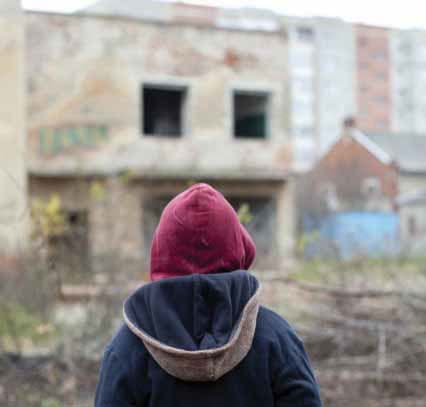
Poverty’s effect on health has been documented with higher rates of chronic diseases and shorter life expectancy. Poverty influences a family’s ability to meet children’s basic needs and limits access to health care, healthy foods, educational opportunities, and physical activity choices. Children in poverty are 3 times more likely to have unmet health needs than other children. Children born into poverty are more likely than other children to have low birthweight and die within a month after birth. Programs such as the Supplemental Nutrition Assistance Program (SNAP) and Women, Infants, and Children (WIC) help alleviate some ill effects of poverty.
Fine particulates in smoke or haze penetrate lung tissue and increase premature death in people with heart disease and lung disease. Large particulates irritate eyes, lungs, and the throat. Air pollution is linked to increased respiratory symptoms, decreased lung function, asthma, chronic bronchitis, irregular heartbeats, and heart attacks. Asthma affects 7.1 million children; its direct medical costs total $50.1 billion annually, while lost productivity adds $6.1 billion. Combustion emissions cause an estimated 200,000 annual premature deaths. The EPA estimates the Clean Air Act prevented 130,000 heart attacks, 1.7 million asthma attacks, and 13 million lost workdays between 1990 and 2010.
Historically, public health focused on combating infectious diseases caused by inferior sanitation and poor hygiene. Many public health strides were made through clean water, immunizations, antibiotics, and education. Public health’s focus shifted in the mid-1900s from infectious diseases like cholera and smallpox to chronic diseases like diabetes and cancer. Despite this focus on chronic diseases, infectious diseases still pose a threat and burden on our nation’s health; they can be especially severe in young children and seniors, leading to hospitalizations and even death. The incidence of infectious diseases indicates the toll that largely preventable diseases place on the population.

 Alabama
 Alaska
 Arizona
 Arkansas
 California
 Colorado
 Connecticut
 Delaware
 Florida
 Georgia
 Hawaii
 Idaho
Idaho Illinois
 Indiana
 Iowa
Iowa Kansas
 Kentucky
 Louisiana
 Maine
Maine Maryland
 Massachusetts
 Michigan
 Minnesota
 Mississippi
 Missouri
 Montana
 Nebraska
 Nevada
 New Hampshire
 New Jersey
 New Mexico
 New York
 North Carolina
 North Dakota
 Ohio
Ohio Oklahoma
 Oregon
 Pennsylvania
 Rhode Island
 South Carolina
 South Dakota
 Tennessee
 Texas
Texas Utah
Utah Vermont
 Virginia
 Washington
 West Virginia
 Wisconsin
 Wyoming
 District of Columbia
 US SummaryAppendixDescription of Core MeasuresDescription of Supplemental MeasuresMethodologyModel DevelopmentScientific Advisory CommitteeThe TeamAcknowledgementsConclusion