The health of communities across the United States depends on the well-being of the country’s women and children. According to the U.S. Census Bureau, in 2020 there were 58.4 million women of reproductive age (18-44) and 72.8 million children in the United States, representing nearly 40% of the total population.
To better understand the health of women, infants and children, America’s Health Rankings® continues to collaborate with an advisory group of experts to develop the America’s Health Rankings Health of Women and Children Report. Since the first edition in 2016, the report has provided a comprehensive look at the health of infants, children and women of reproductive age across the nation and on a state-by-state basis. This report examines their health with data collected from the beginning of the COVID-19 pandemic in 2020 and 2021.
This year’s Health of Women and Children Report includes state rankings. Leaders and advocates can use this year’s report to tailor and target public health efforts in their states to address issues caused or exacerbated by the pandemic and, ultimately, build healthier communities.
The 6th edition of the Health of Women and Children Report finds that:
- Rates of mental and behavioral health challenges have increased broadly among women and children across the nation in recent years, though rates vary widely based on geography, race/ethnicity and socioeconomic factors.
- The overall mortality rate among women ages 20-44 increased dramatically during the first year of the COVID-19 pandemic, exacerbating existing disparities.
- The pandemic underscored the need to address long-standing disparities in mental health and other measures, including maternal mortality and morbidity, which continue to disproportionately affect Black and American Indian/Alaska Native women.
- In the first years of the COVID-19 pandemic, several socioeconomic and environmental conditions that shape health worsened. Women experienced record-high unemployment, and firearm deaths for children dramatically increased over the past decade. Also, markers of health related to children’s neighborhoods and home environments declined.
Impact of the COVID-19 Pandemic
Many children and women of reproductive age have been infected with the virus that causes COVID-19. According to the American Academy of Pediatrics,
more than 14.4 million COVID-19 cases, representing 18.4% of all cases, have been reported among children as of August 25, 2022. There have been
1,430 deaths from COVID-19 among children and
26,133 among women ages 18-49, according to data from the Centers for Disease Control and Prevention (CDC) as of August 27, 2022.
While many people experience mild symptoms, some people are at particular risk for complications, including pregnant women. Research suggests that in 2020, pregnant women who contracted COVID-19 were at
higher risk of severe outcomes, including being admitted to an intensive care unit, requiring ventilation, and death. The
risk of preterm birth was also higher among pregnant women who had COVID-19 compared with those without COVID-19.
In addition, it is possible for individuals to experience
long-term effects from COVID-19 infection. Post-COVID conditions, also referred to as long COVID, cover a wide range of symptoms that may last or appear at least four weeks after the initial COVID-19 infection. Research indicates that
women are more likely to develop long COVID than men, and women with long COVID had higher odds of experiencing certain long COVID symptoms. While COVID infections tend to be milder in children, they are still at risk for
developing long COVID. One study found that the
prevalence of long COVID was 25% among children and adolescents. The most common long COVID symptoms for children and adolescents in this study were mood changes, fatigue, sleep disorders, headaches and respiratory symptoms.
Vaccinations are
safe and
effective for preventing severe illness and death from COVID-19. Receiving a
vaccination during pregnancy benefits the mother as well as the infant, whose risk of hospitalization from COVID-19 infection is significantly reduced. Despite common misconceptions, vaccinations are
not associated with poor pregnancy outcomes, such as preterm birth or small-for-gestational age at birth. Among children and teens, vaccination reduces the risk of
multisystem inflammatory syndrome in children, a rare but serious condition linked to COVID-19. Vaccination may also
reduce the risk of developing long COVID.
Beyond the direct effects of COVID infection, the COVID-19 pandemic has presented unique challenges for women and children. As schools and businesses closed, households with children were left juggling work, child care and virtual schooling. The closing of schools and daycares
disproportionately affected women, who still
perform the majority of housework and child care. More than half of the
4.2 million Americans who left the labor force in the first year of the pandemic were women. Because
2 out of 3 caregivers are women, the pandemic has added additional stress to many women’s lives; caregivers are at higher risk for depression, anxiety and poor physical health.
Children and teenagers have also experienced disruptions to their school and home lives during the pandemic. During the first half of 2021, the CDC conducted the
Adolescent Behaviors and Experiences Survey to determine some of the effects of the pandemic on students in grades 9-12 across the U.S. Two-thirds of students
reported more difficulty completing their schoolwork during the pandemic. Almost 30% of students experienced a parent losing a job and more than 20% lost a job themselves. Nearly 1 in 4 students reported hunger. During the pandemic, less than half of high school students
felt connected to people at their school. Students who felt close to those at school had a lower prevalence of poor mental health both during the pandemic and in the last 30 days.
Certain racial and ethnic groups have been disproportionately affected by COVID-19. Hispanic women had
higher rates of COVID-19 infection during pregnancy, and non-Hispanic Black women experienced a disproportionately higher rate of death due to COVID-19.
Higher rates of hospitalization from COVID-19 have been observed among Hispanic and Black children compared with white children. Children at greater risk for COVID-19 infection, including racial and ethnic minority groups, also face
more barriers to receiving a COVID-19 vaccine.
The pandemic has had a disproportionate negative impact on the economic and mental well-being of minority groups as well. During the first year of the pandemic, Hispanic and Black women in particular faced a
sharper decline in employment than other women. In a survey of
9th-12th grade students, parental job loss was higher among Asian, Hispanic and Latino students, and hunger was more prevalent among Black students. During the first half of 2021, the
Adolescent Behaviors and Experiences Survey found that nearly 36% of students — largely Asian, Black and multiracial youth — reported
experiencing racism during the pandemic. Students who experienced racism also reported a
higher prevalence of poor mental health; not feeling close to people at school; and difficulties with concentration, memory or decision-making.
The COVID-19 pandemic continues to affect the health and well-being of America’s women and children, and the full extent and impact of the pandemic is still unknown. As we continue to navigate the pandemic and its impact, we must leverage the power of public health data to address disparities that affect women and children across the nation. We urge leaders to use the report’s data to inform solutions for narrowing these gaps and ensuring that all children, families and communities can thrive.
The purpose of America’s Health Rankings is to inform; drive action to build healthier communities; and offer credible and comprehensive data for improving health and the elements that determine health at the state and national levels. Using 36 data sources, including the CDC’s Pregnancy Risk Assessment Monitoring System, the U.S. Census Bureau’s American Community Survey and the Maternal and Child Health Bureau’s National Survey of Children’s Health, the Health of Women and Children Report consists of:
- 121 measures for tracking current and emerging health issues at the state and national levels, including four demographic measures.
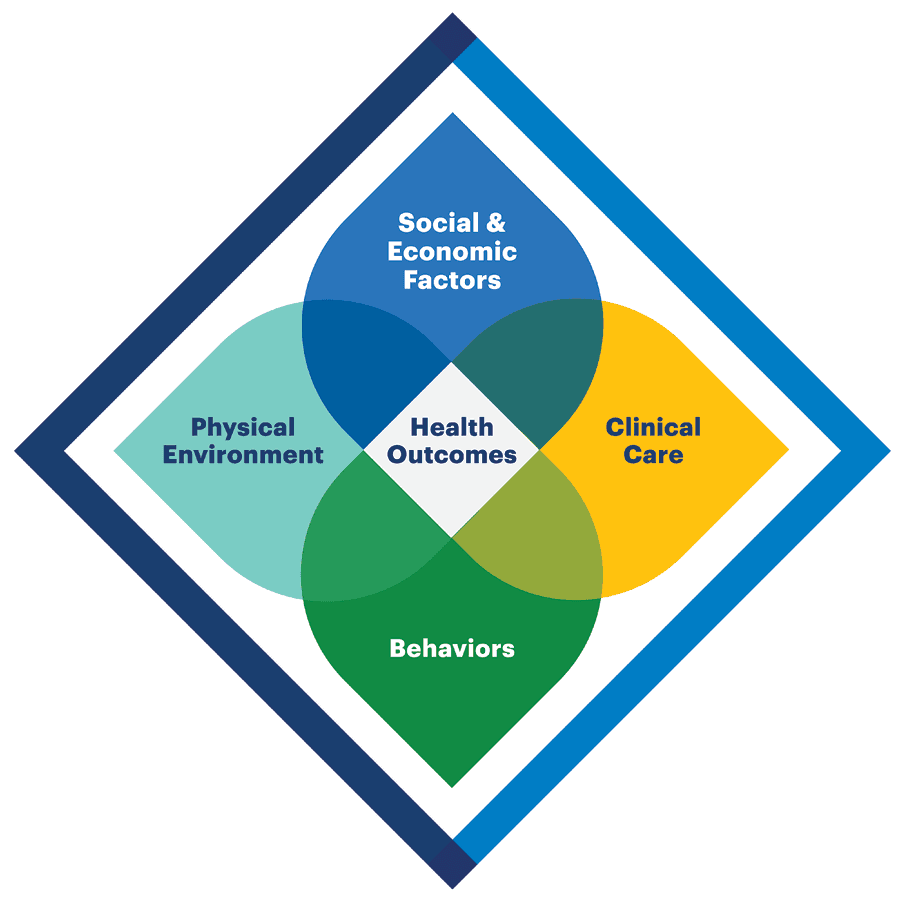
- Five categories that encompass the America’s Health Rankings model: social and economic factors, physical environment, clinical care, behaviors and health outcomes.
In summary, the Health of Women and Children Report aims to improve population health of women and children by:
- Presenting a holistic view of health. The report goes beyond measures of clinical care and considers many social, economic and physical environment measures that reflect our growing understanding of the impact of social determinants on health.
- Providing a benchmark for states. Each year the report presents trends, strengths, challenges and highlights for every state. Community leaders, public health workers and policymakers can examine health trends over time and compare their state with neighboring states and the nation.
- Stimulating action. The report is intended to encourage change and improve health by promoting data-driven discussions among individuals, community leaders, the media, policymakers and public health workers. States can use the report in their annual review of programs, and many organizations reference the report when assigning goals for health-improvement plans.
- Highlighting disparities. The report shows differences in health between states and among population groups at the state and national levels, with groupings based on age, race and ethnicity, educational attainment, income and metropolitan status. Health disparities must be addressed in order to achieve health equity.
Model for Measuring America’s Health
America’s Health Rankings is built upon the
World Health Organization definition of health: “Health is a state of complete physical, mental, and social well-being and not merely the absence of disease or infirmity.”

 Alabama
 Alaska
 Arizona
 Arkansas
 California
 Colorado
 Connecticut
 Delaware
 District of Columbia
 Florida
 Georgia
 Hawaii
 Idaho
Idaho Illinois
 Indiana
 Iowa
Iowa Kansas
 Kentucky
 Louisiana
 Maine
Maine Maryland
 Massachusetts
 Michigan
 Minnesota
 Mississippi
 Missouri
 Montana
 Nebraska
 Nevada
 New Hampshire
 New Jersey
 New Mexico
 New York
 North Carolina
 North Dakota
 Ohio
Ohio Oklahoma
 Oregon
 Pennsylvania
 Rhode Island
 South Carolina
 South Dakota
 Tennessee
 Texas
Texas Utah
Utah Vermont
 Virginia
 Washington
 West Virginia
 Wisconsin
 Wyoming
 US SummaryAppendixMeasures Table – WomenMeasures Table – ChildrenData Source DescriptionsMethodology