The number of mental health providers increased, but fewer people had health insurance.
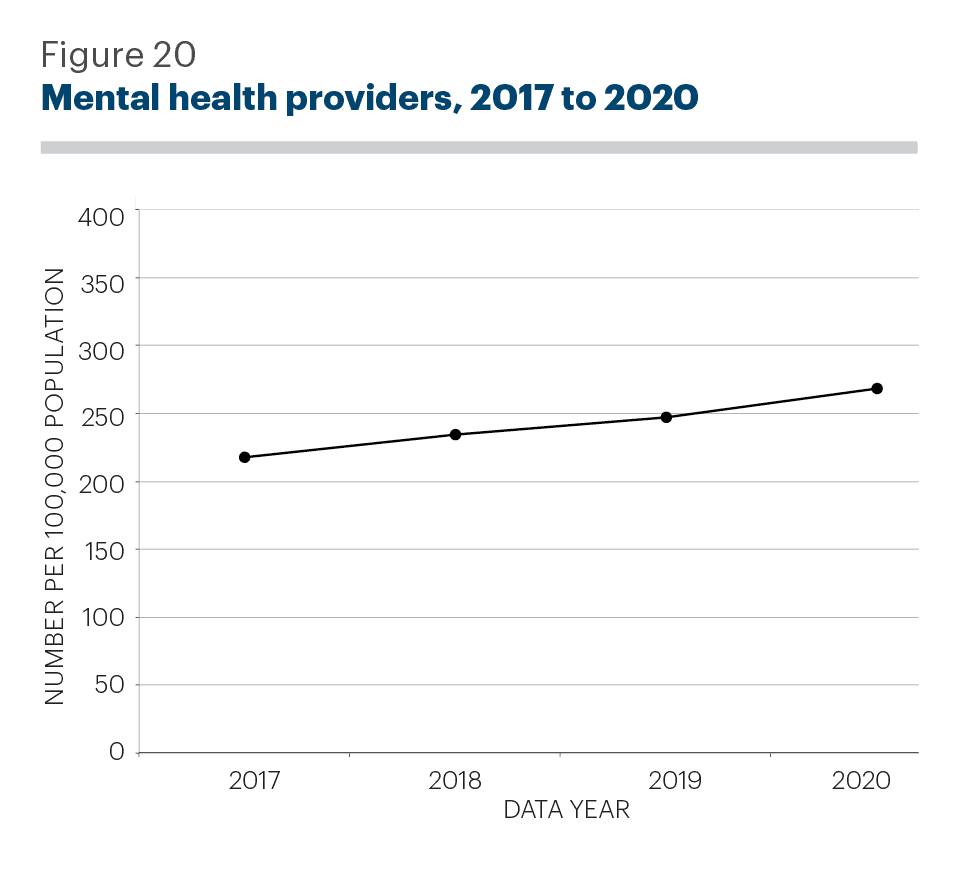
Definition: Number of psychiatrists, psychologists, licensed clinical social workers, counselors, marriage and family therapists, advanced practice nurses specializing in mental health care as well as providers treating alcohol and other drug abuse per 100,000 population.
Mental health providers offer
essential care to adults and children who have a mental or behavioral disorder by offering services such as assessment, diagnosis, treatment, medication and therapeutic interventions according to the National Alliance on Mental Illness. The
National Institutes of Mental Health reported that 17.9% of Americans experienced some form of mental illness (not including substance abuse disorders) in 2016, but only
43.1% of adults with any mental illness and 64.8% with a serious mental illness reported receiving treatment in the past year.
Findings
Mental health providers increased 9% between 2019 and 2020 (247.4 to 268.6 per 100,000 population) and 23% since 2017 (from 218.0) (Figure 20). This year there are 72,066 more mental health providers than in 2019. The number of mental health providers increased in every state. The largest gains were in
Alaska (429.9 to 523.8 per 100,000 population; +662 providers),
Oregon (522.3 to 571.0; +2,192 providers) and
Washington (373.3 to 413.8; +3,382 providers).
Disparities
The number of mental health providers is highest in
Massachusetts (666.4 providers per 100,000 population),
Oregon (571.0) and
Alaska (523.8). The supply is lowest in
Alabama (112.7 providers per 100,000 population),
Texas (123.7) and
West Virginia (140.5).
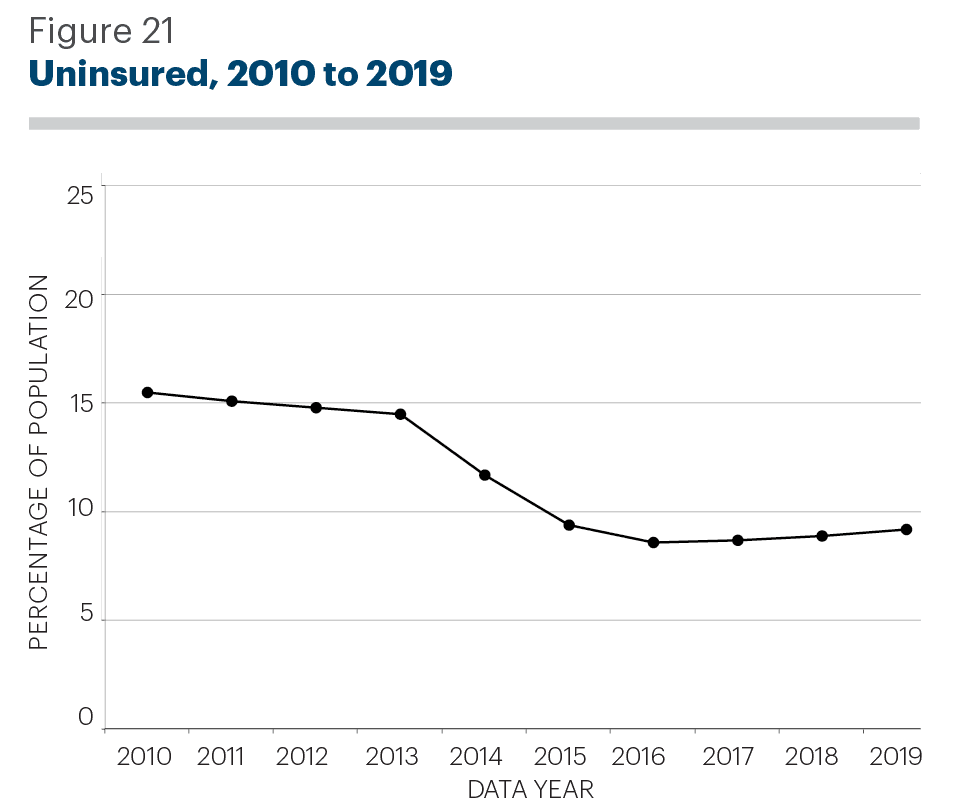
Definition: Percentage of population not covered by private or public health insurance.
Between 2010 and 2016, the
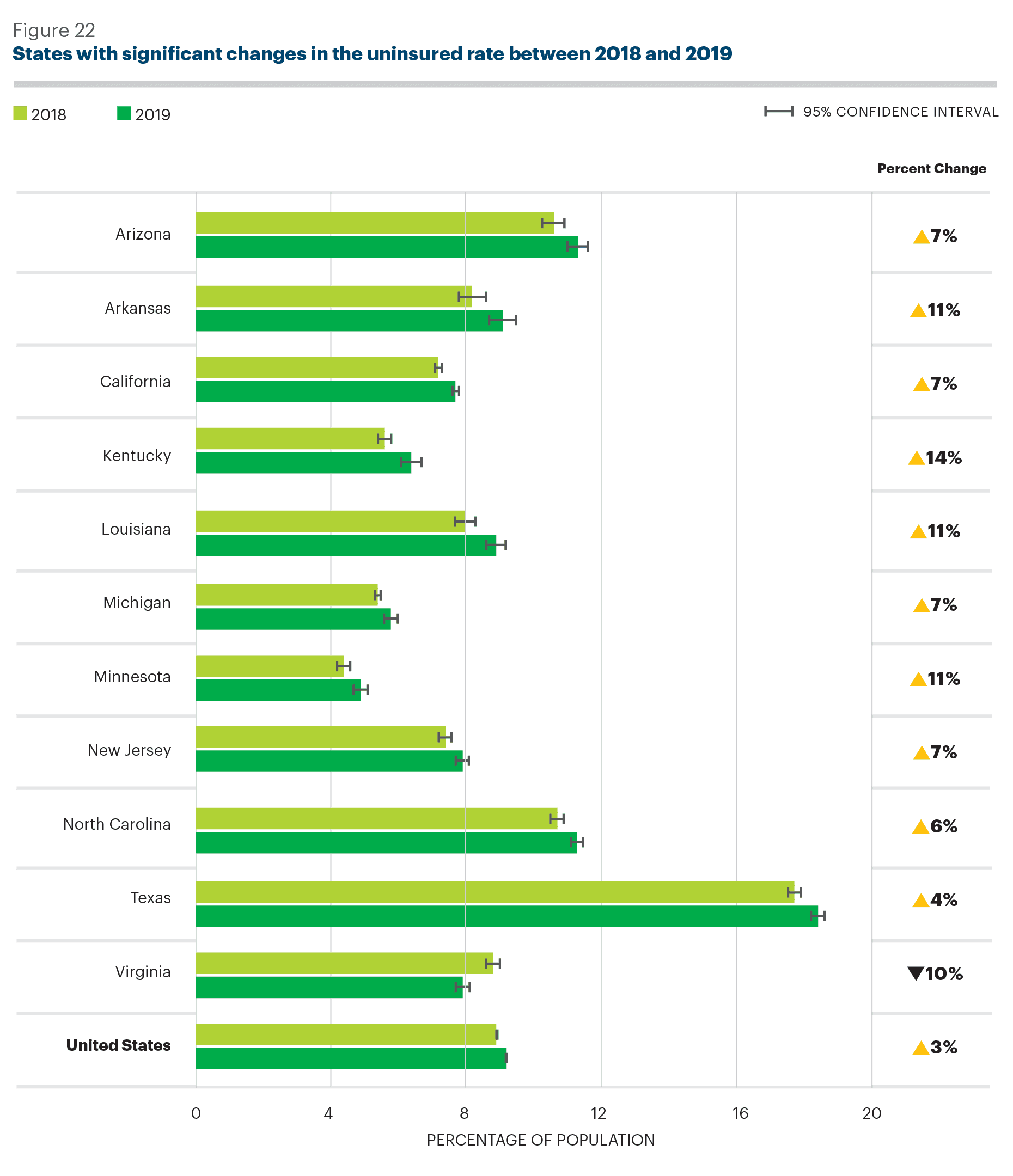
uninsured rate decreased 45% from 15.5% to 8.6%. Between 2016 and 2019, the percentage of the population that is uninsured increased 7% nationally from 8.6% to 9.2% (Figure 21), leaving 2.3 million more people uninsured. Between 2018 and 2019, the uninsured rate increased significantly in 10 states (Figure 22), led by
Kentucky (5.6% to 6.4%). The rate decreased in one state,
Virginia (8.8% to 7.9%).
Disparities
Recent improvements in key vaccination rates.
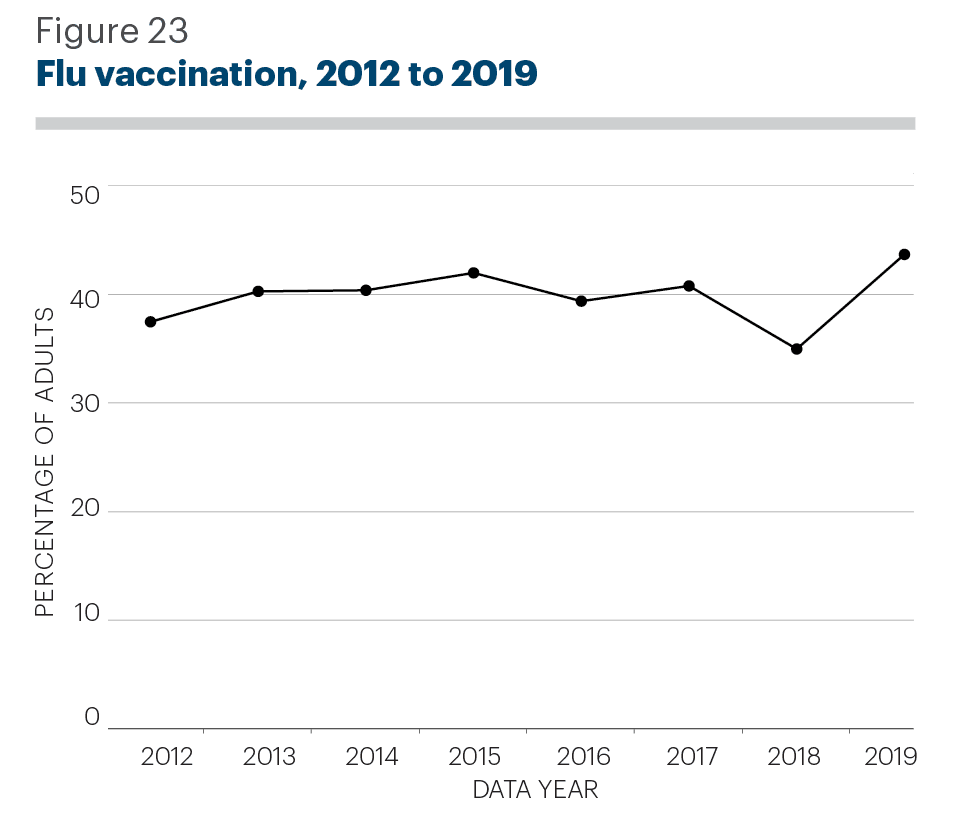
Definition: Percentage of adults who reported receiving a seasonal flu vaccine in the past 12 months.
A flu vaccine is the best
protection against seasonal influenza viruses, which can pose a serious threat to health, according to the CDC. Each year in the United States,
millions of people get the flu, and thousands of people die from it. The vaccine can
prevent people from coming down with the flu and can help lessen the degree to which people are sick if they do get it.
Findings
Between 2018 and 2019,
flu vaccination coverage increased 25% nationally from 35.0% to 43.7% of adults (Figure 23). However, this remains far below Healthy People 2030's national target to have 70% of the population vaccinated. During this time frame, vaccination coverage increased:
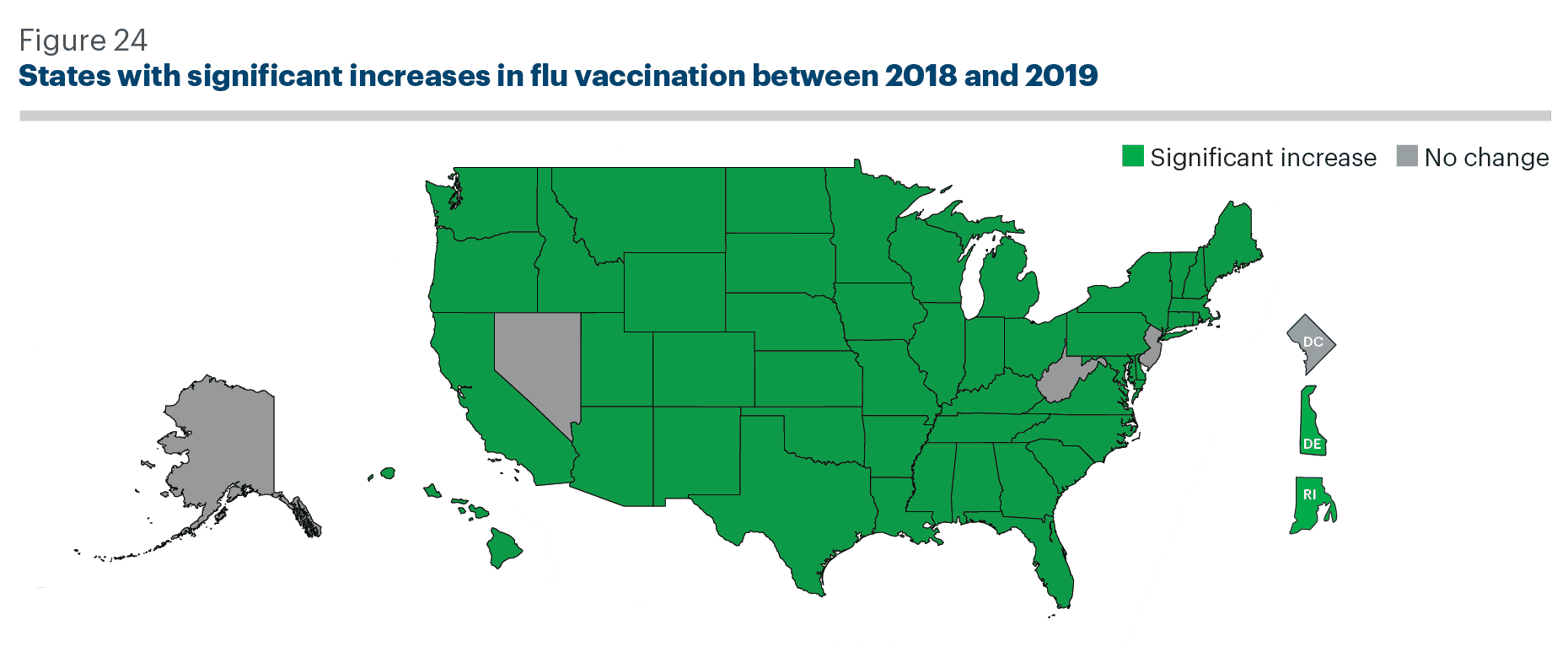
Since 2018, significant improvements also occurred in 46 states (Figure 24), led by
New York (28.0% to 44.9%),
Wisconsin (29.9% to 46.1%) and
Texas (26.4% to 40.0%).
Disparities
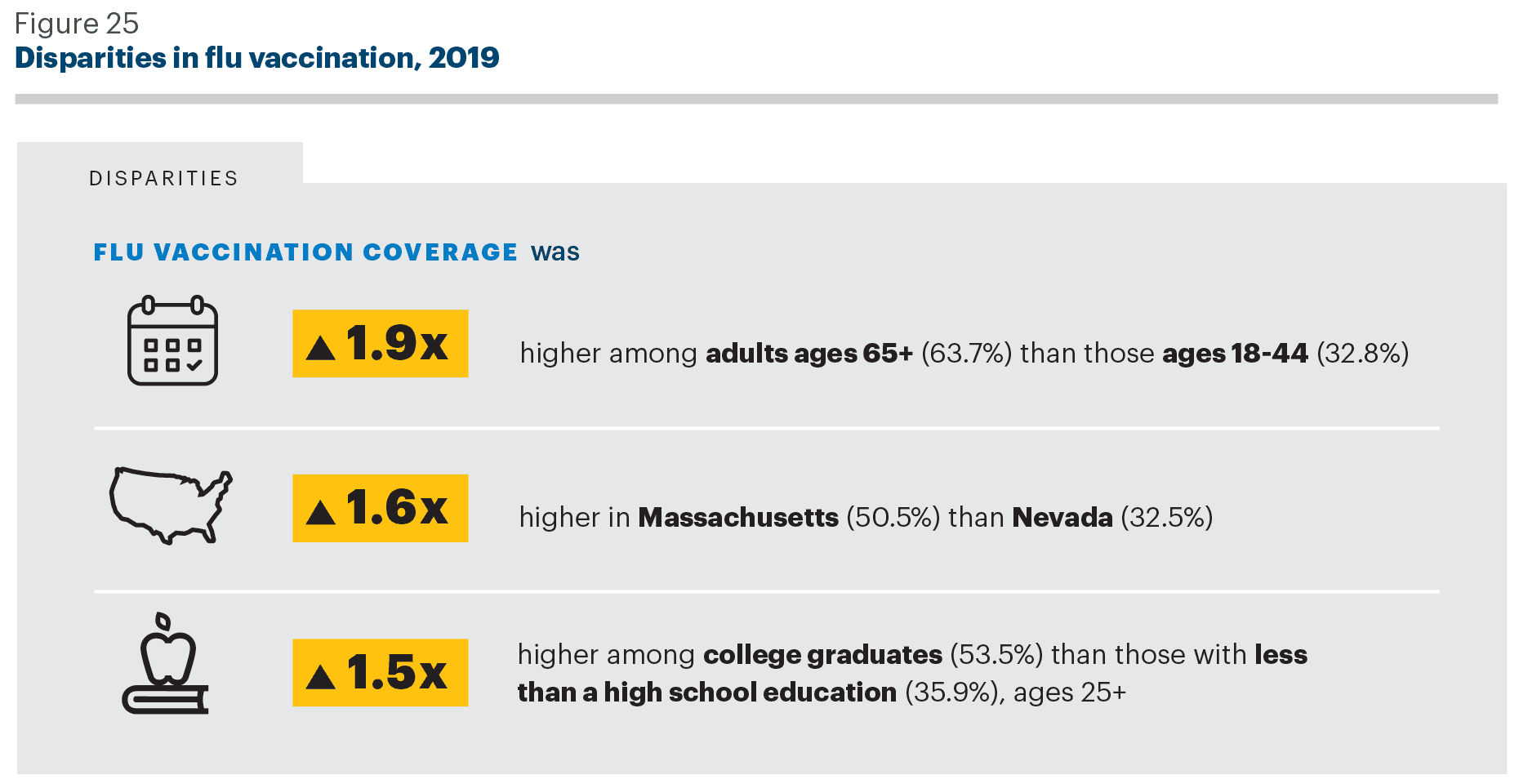
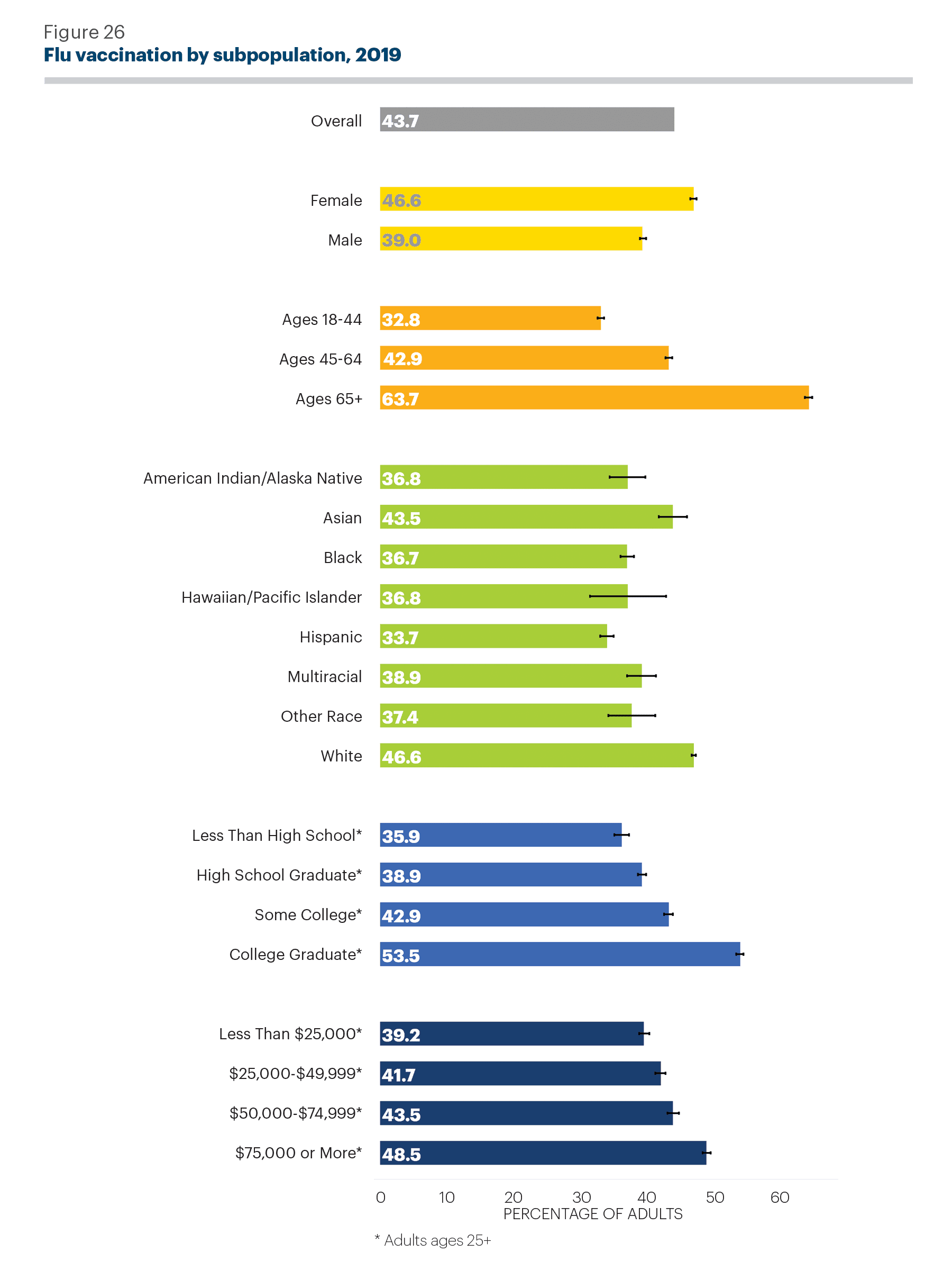
Flu vaccination coverage varies across states and by age, gender, education, income as well as race and ethnicity. The largest differences in flu vaccination coverage was by age, geography and education (Figure 25). Flu vaccination coverage was highest in
Massachusetts (50.5%),
Rhode Island (50.4%) and
Connecticut (49.7%), and lowest in
Nevada (32.5%),
Georgia (36.2%) and
Wyoming (36.5%). In 2019, flu vaccination coverage was higher among (Figure 26):
Definition: Percentage of adolescents ages 13-17 who have received all recommended doses of the human papillomavirus (HPV) vaccine.
The HPV vaccine is the first vaccine ever developed to prevent cancer. Every year, an estimated
19,000 cases of HPV-associated cancer among females and
13,100 cases of HPV-associated cancer among males could be prevented through vaccination. HPV infections can cause different types of cancer as well as genital warts.
Most cases of cervical cancer; cancers of the anus, throat, vagina and vulva; and cases of
genital warts are associated with HPV infections.
Findings
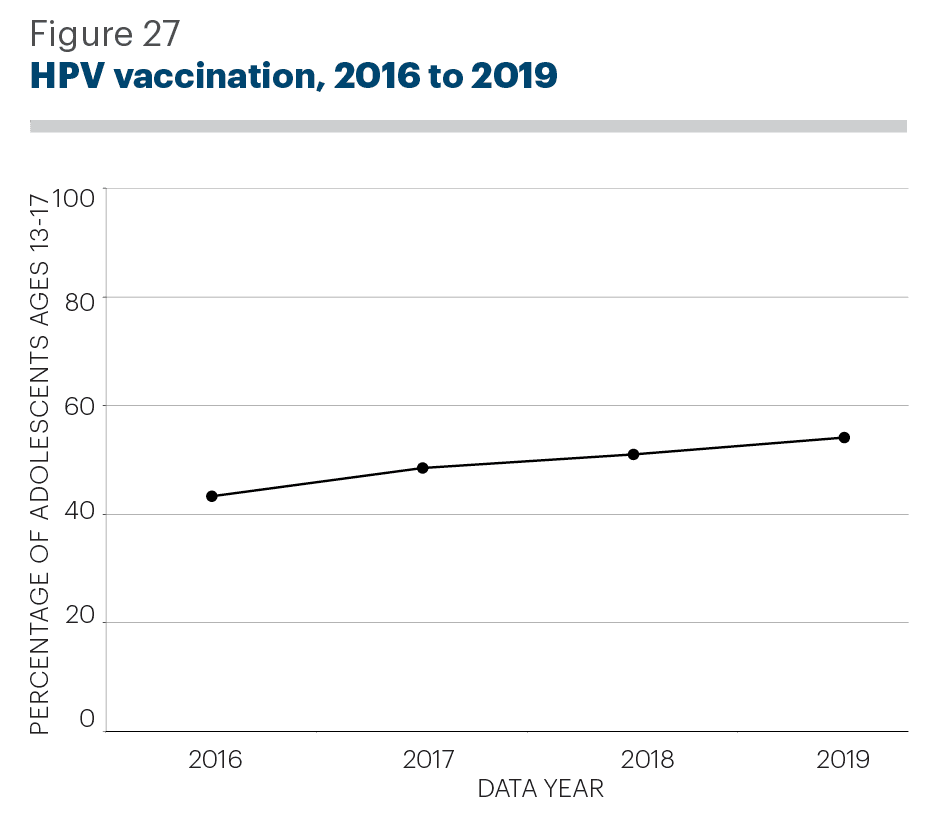
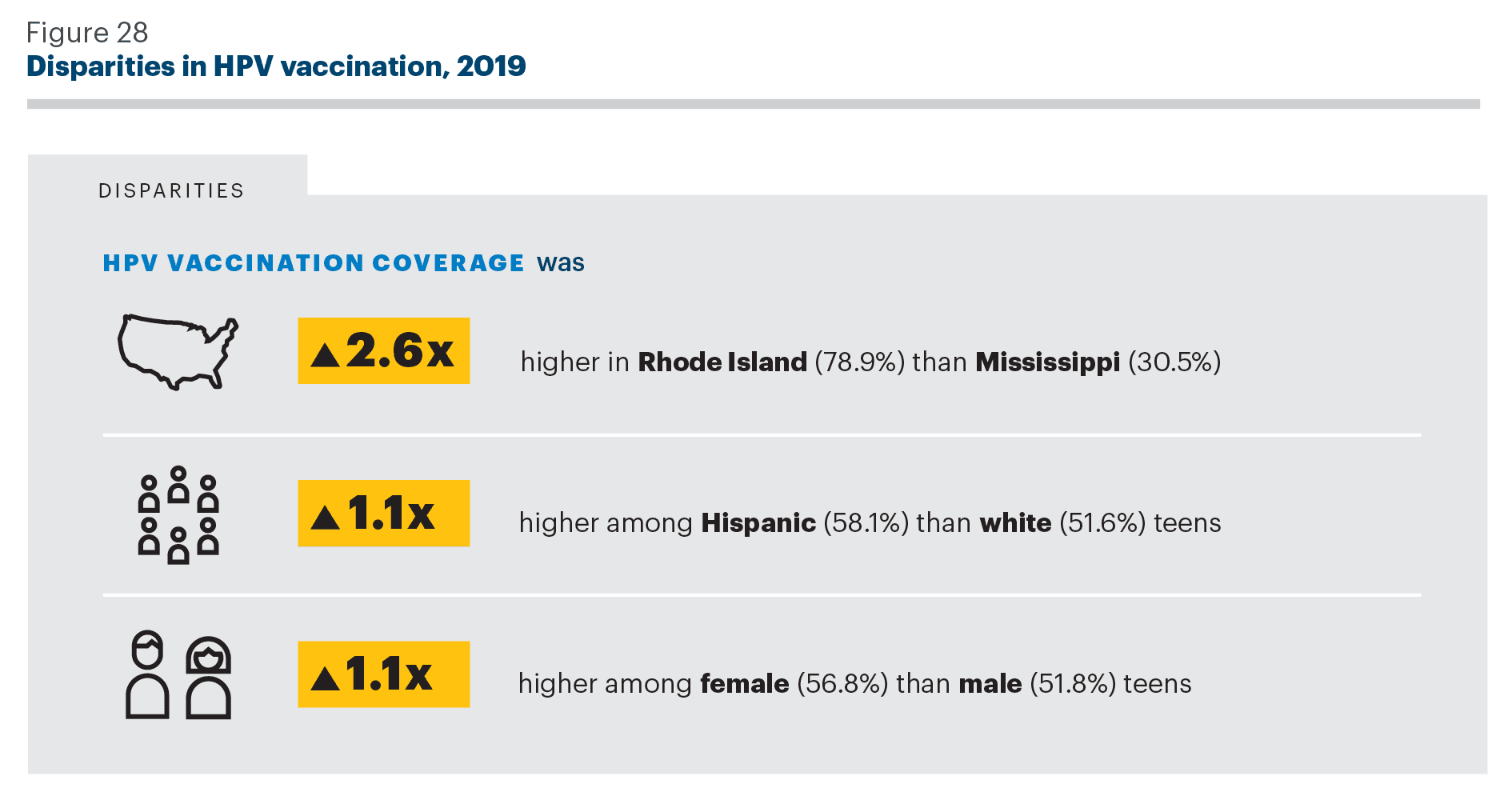
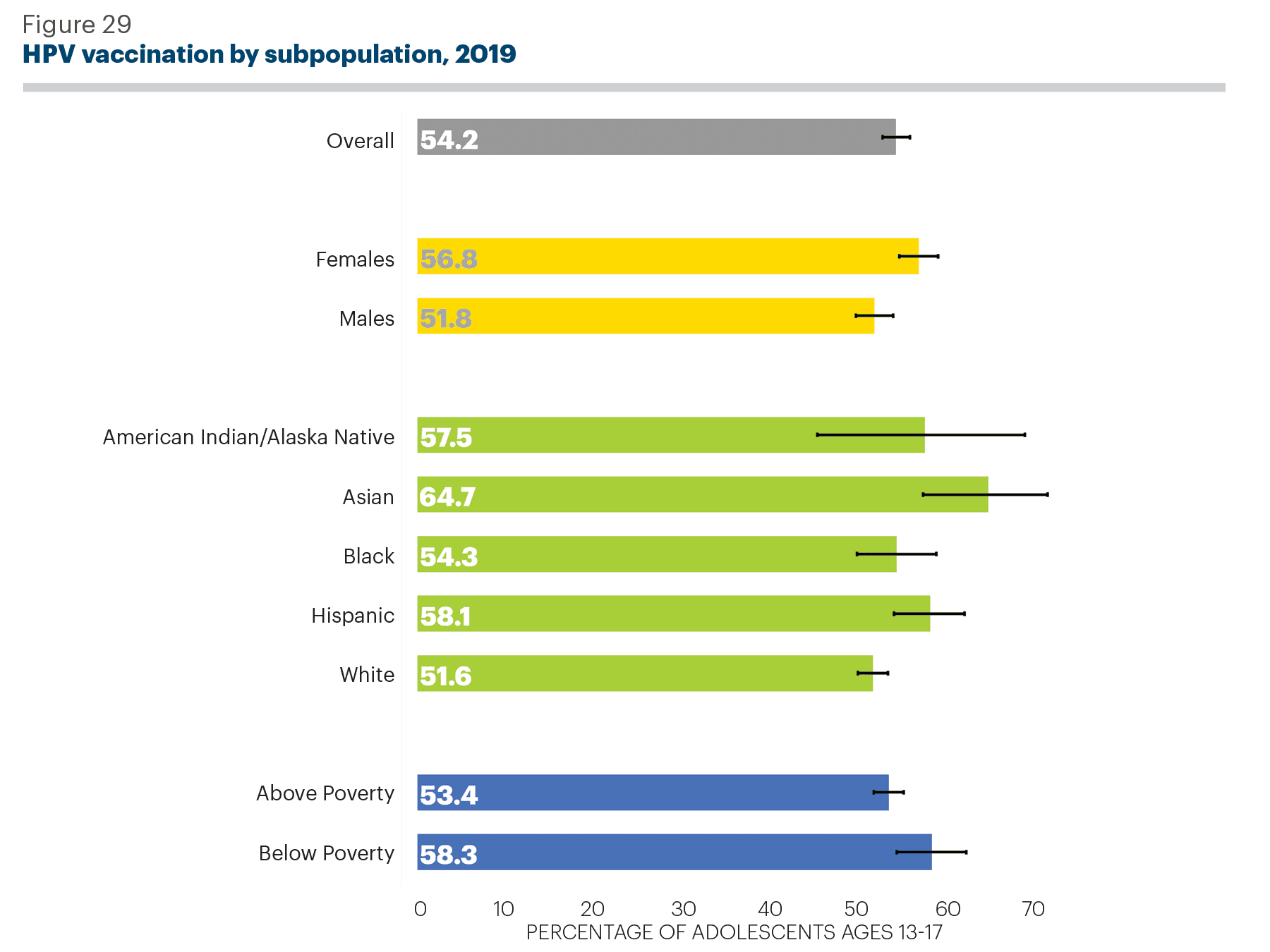
Between 2018 and 2019, HPV vaccination coverage among teens increased 6% nationally from 51.1% to 54.2% (Figure 27), slowly progressing toward the Healthy People 2030 target of 80% among teens ages 13-15. Notably, the HPV vaccination rate was also up 8% among
white teens (51.6%), who had lower rates than
Hispanic (58.1%) and
American Indian/Alaska Native (57.5%) teens. HPV vaccination coverage among teens increased significantly in
North Dakota from 63.6% to 76.9%.
Disparities
Preventable hospitalizations
Preventable hospitalizations declined in the past year.
Definition: Discharges following hospitalization* per 100,000 Medicare enrollees ages 18 years or older continuously enrolled in Medicare fee-for-service Part A.
* for diabetes with short- or long-term complications, uncontrolled diabetes without complications, diabetes with lower-extremity amputation, chronic obstructive pulmonary disease, angina without a procedure, asthma, hypertension, heart failure, dehydration, bacterial pneumonia or urinary tract infection.
Some hospital admissions related to chronic conditions or acute illnesses
can be prevented through adequate management and treatment in outpatient settings. The number of preventable hospitalizations reflects overuse of the hospital as a primary source of care and the
efficiency and
quality of
primary care for outpatient services. Preventable hospitalizations place
financial burdens on patients, insurance providers and hospitals. In 2006,
$30.8 billion in hospital costs were attributed to preventable hospitalizations.
Findings
Between 2017 and 2018,
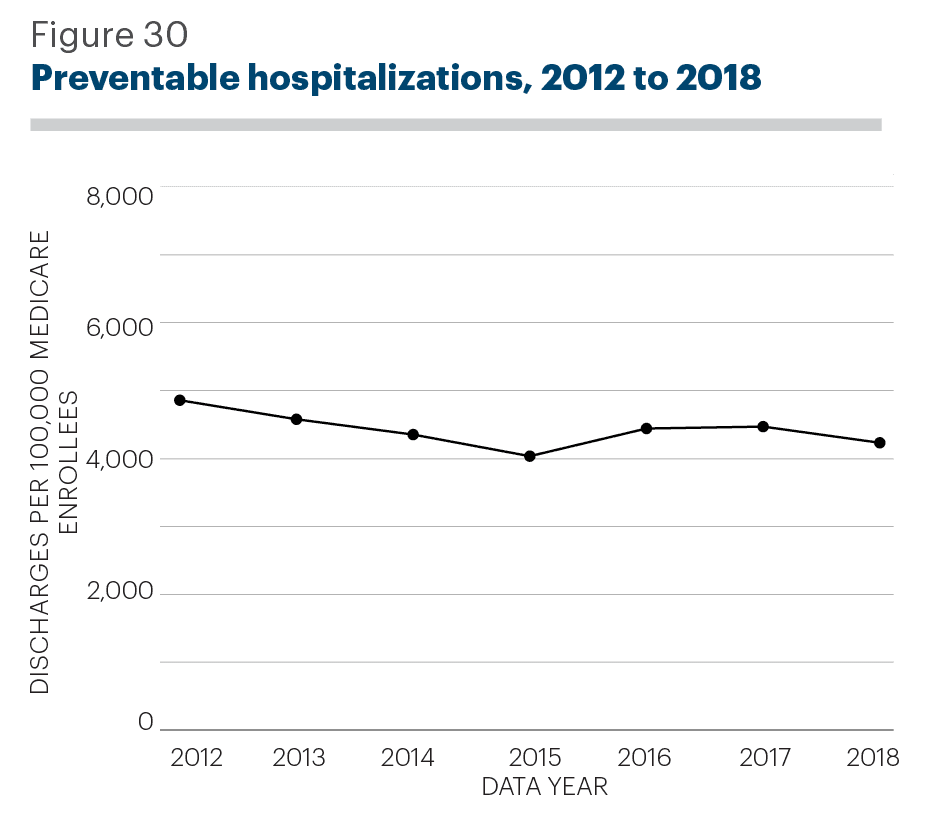
preventable hospitalizations decreased 5% nationally from 4,475 to 4,237 hospitalizations per 100,000 Medicare enrollees (Figure 30). The largest declines occurred in
South Dakota (4,733 to 4,087 hospitalizations per 100,000 Medicare enrollees),
North Dakota (4,702 to 4,128),
Michigan (5,253 to 4,820),
Rhode Island (4,375 to 3,964) and
Florida (5,182 to 4,779).
Disparities
Preventable hospitalizations vary across states and by race and ethnicity. In 2018, preventable hospitalizations were highest in
Minnesota (5,721 discharges per 100,000 Medicare enrollees),
Mississippi (5,628) and
West Virginia (5,593), and lowest in
Hawaii (1,971),
Utah (2,287) and
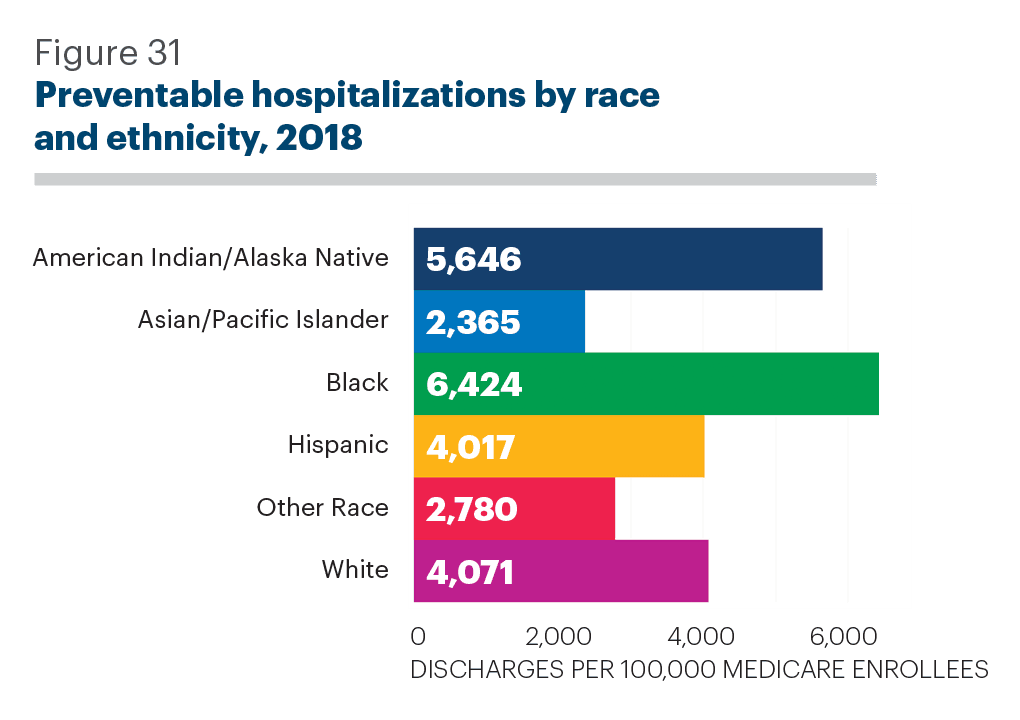
Idaho (2,390). This same year, preventable hospitalizations were highest among
Black Medicare enrollees, followed by American Indian/Alaska Native,
white and
Hispanic Medicare enrollees as well as Medicare enrollees, who identify their race as
other.
Asian/Pacific Islander Medicare enrollees had the lowest rate of preventable hospitalizations (Figure 31).

 Alabama
 Alaska
 Arizona
 Arkansas
 California
 Colorado
 Connecticut
 Delaware
 District of Columbia
 Florida
 Georgia
 Hawaii
 Idaho
Idaho Illinois
 Indiana
 Iowa
Iowa Kansas
 Kentucky
 Louisiana
 Maine
Maine Maryland
 Massachusetts
 Michigan
 Minnesota
 Mississippi
 Missouri
 Montana
 Nebraska
 Nevada
 New Hampshire
 New Jersey
 New Mexico
 New York
 North Carolina
 North Dakota
 Ohio
Ohio Oklahoma
 Oregon
 Pennsylvania
 Rhode Island
 South Carolina
 South Dakota
 Tennessee
 Texas
Texas Utah
Utah Vermont
 Virginia
 Washington
 West Virginia
 Wisconsin
 Wyoming
 US SummaryAppendixMeasures TableData Source DescriptionsThe Team